
How to Choose Rotary Kiln Refractory Lining for Zinc Oxide Calcination?
Quick Answer: Rotary kiln refractory lining for zinc oxide calcination depends on three primary factors: operating temperature (typically 1000–1300°C), feed material chemistry (alkalinity, zinc content, chlorine/fluorine levels), and kiln zone. For the high-temperature reaction/calcination zone, magnesia-alumina spinel bricks and special phosphate-bonded high-alumina bricks are the most commonly specified materials, with castables increasingly used for complex geometries and composite linings.
1. Why Zinc Oxide Rotary Kilns Have Unique Refractory Requirements
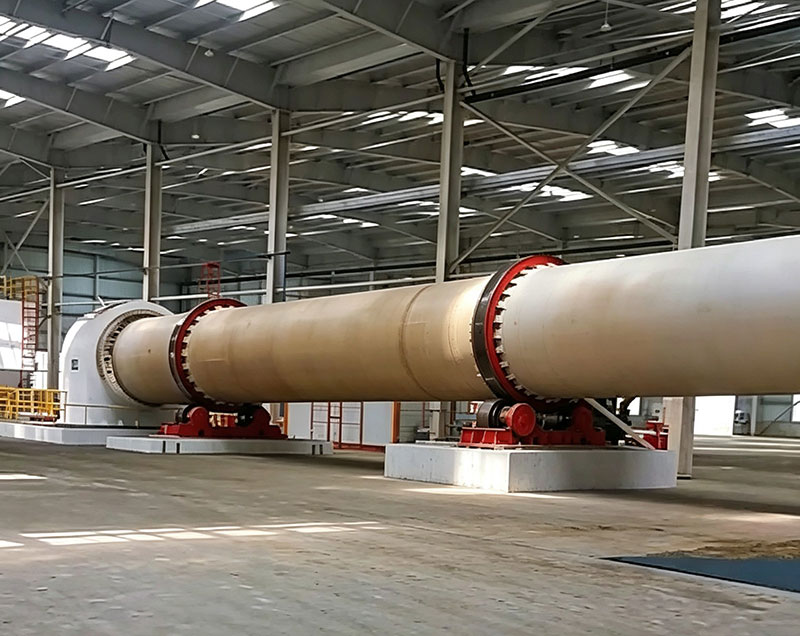
Zinc oxide rotary kilns operate under conditions that differ significantly from cement or lime kilns. The process involves reducing zinc-bearing materials (zinc ore, zinc leaching residue, steel mill dust, or zinc-containing industrial waste) at high temperatures, where metallic zinc vaporizes and then re-oxidizes to form zinc oxide powder.
This creates a distinctive combination of challenges:
High operating temperatures: The reaction zone typically operates at 1000–1300°C, with some processes maintaining 1050–1150°C for optimal zinc volatilization.
Chemical attack: Zinc vapor, alkali metals (potassium, sodium), sulfates, chlorides, and fluorides penetrate and corrode refractory linings.
Coating/ring formation: Zinc oxide and low-melting-point compounds can form rings or coatings on the refractory surface, disrupting kiln operation and accelerating localized wear.
Thermal cycling: Frequent temperature fluctuations between production cycles cause thermal shock, leading to spalling and cracking.
Abrasion: The tumbling action of ore and coke breeze continuously wears the lining surface.
These factors mean that refractory selection cannot simply follow cement kiln practice. A material that performs well at 1450°C in a cement kiln may fail prematurely in a zinc oxide kiln due to chemical incompatibility with zinc vapor or inadequate thermal shock resistance.
2. Zone-by-Zone Refractory Selection Guide
A zinc oxide rotary kiln should be divided into distinct zones, each requiring different refractory properties. This approach avoids over-specification (unnecessary cost) and under-specification (premature failure).
Drying Zone (600–700°C)
Primary requirements: Moderate temperature resistance, thermal shock resistance, abrasion resistance.
Recommended materials:
Clay bricks (fireclay): Cost-effective for the lowest-temperature section, providing adequate thermal insulation and resistance to dust abrasion.
High-alumina bricks (Al₂O₃ 50–60%): For locations with higher abrasion or moderate temperature spikes.
Typical lifespan: 12–18 months under normal operating conditions.
Preheating Zone (700–1000°C)
Primary requirements: Improved thermal shock resistance, alkali resistance, moderate coating adhesion.
Recommended materials:
High-alumina bricks (Al₂O₃ ≥ 70%): Provide better hot strength and chemical resistance than clay bricks.
Magnesia-alumina spinel bricks: Where alkali attack is significant, these offer superior resistance to alkali vapor penetration compared to high-alumina products.
Note: This zone experiences the most severe thermal cycling during kiln start-up and shutdown. Materials with low thermal expansion and high thermal shock resistance are preferred.
Reaction/Calcination Zone (1000–1300°C) — The Critical Zone
Primary requirements: Maximum chemical resistance (zinc vapor, alkalis, chlorine/fluorine), high hot strength, coating control, thermal shock resistance.
This is the zone where most refractory failures occur and where material selection has the greatest impact on lining life. The reaction zone is exposed to the most aggressive chemical environment in the kiln.
Recommended materials:
| Material | Key Advantages | Considerations |
|---|---|---|
| Magnesia-alumina spinel bricks | Excellent alkali resistance, good coating adhesion, high hot strength | Higher cost than alumina bricks; requires careful thermal management |
| Special phosphate-bonded high-alumina bricks | Good thermal shock resistance, moderate cost, widely proven | Lower alkali resistance than spinel bricks; can be attacked by high-chlorine feeds |
| Magnesia-chrome bricks | Historically proven performance, good coating behavior | Environmental concern: hexavalent chromium formation; increasingly replaced by chrome-free alternatives |
| Alumina-chrome-zirconia-silica composite bricks | Low thermal conductivity, lightweight, good corrosion resistance | Newer development; less field data available than traditional materials |
Practical note: Many Chinese zinc oxide producers continue to use phosphate-bonded high-alumina bricks in the reaction zone due to their proven performance and cost-effectiveness. For operations with high chlorine/fluorine content in the feed, spinel-based materials or composite bricks offer better chemical resistance.
Cooling Zone (650–750°C)
Primary requirements: Thermal shock resistance (rapid cooling), abrasion resistance, structural stability.
Recommended materials:
High-alumina bricks or castables: Provide adequate wear resistance and thermal shock tolerance.
Abrasion-resistant castables: For kiln discharge areas where impact and abrasion are most severe.
3. Key Material Specifications to Verify
When specifying refractory materials for zinc oxide kilns, request the following data from suppliers:
Chemical composition:
Al₂O₃ content (for alumina-based bricks): Typically 70–85% for reaction zone applications.
MgO content (for spinel bricks): MgO ≥ 80% for high-purity spinel grades.
SiO₂ and Fe₂O₃: Lower levels generally correlate with better corrosion resistance.
Note on chromia: If magnesia-chrome bricks are considered, verify Cr₂O₃ content and discuss hexavalent chromium risk with your supplier.
Physical properties:
Bulk density: Higher density generally indicates better wear resistance but increases kiln load.
Apparent porosity: Lower porosity (≤18%) reduces penetration by molten phases and vapors.
Cold crushing strength: Minimum 40 MPa for reaction zone bricks.
Refractoriness under load (RUL): Critical for high-temperature zones; should exceed 1400°C for reaction zone materials.
Thermal properties:
Thermal shock resistance: Assess through water quenching or air cycling tests; critical for zones with frequent temperature changes.
Thermal conductivity: Relevant for composite lining design; lower conductivity reduces shell temperature and heat loss.
4. Castables vs. Bricks: When to Choose Each
Castables (monolithic refractories) have gained significant adoption in zinc oxide kilns, particularly for complex geometries and composite lining designs.
Advantages of castables:
Simplified installation for irregular shapes (kiln inlet/outlet, burner areas)
No joints between bricks, reducing chemical penetration pathways
Anchor systems provide structural integrity, preventing brick “falling out” (抽签掉砖) issues
Composite structures with insulation layers can reduce shell temperature and save 15–20% energy consumption compared to conventional fired products
Advantages of bricks:
Higher density and wear resistance in high-abrasion zones
Easier localized replacement if a specific area fails
More predictable thermal expansion behavior
Practical recommendation: Use bricks for the main reaction zone cylinder (where chemical attack and abrasion are most severe) and high-alumina or spinel-based castables for kiln inlet/outlet, burner areas, and any zone requiring complex geometry or composite insulation.
5. Composite Lining Design: A Modern Approach
Traditional single-layer brick linings often result in high shell temperatures and excessive heat loss. A composite lining structure addresses both issues:
Working layer (hot face): Magnesia-alumina spinel brick, phosphate-bonded high-alumina brick, or high-performance castable.
Insulation layer: Alumina-silicate fiber blanket, lightweight insulating brick, or calcium silicate board.
Benefits:
Reduced shell temperature (typically by 50–100°C)
Lower heat loss (15–20% energy savings reported with castable composite designs)
Reduced thermal stress on the kiln shell
Extended lining life due to lower temperature differential across the working layer
Consideration: Composite designs require careful engineering to ensure the insulation layer does not degrade or lose effectiveness at operating temperatures. Verify the maximum service temperature of insulation materials.
6. Installation and Operational Factors That Affect Lining Life
Refractory selection alone does not guarantee long lining life. The following operational factors are equally important:
Installation quality:
Proper expansion allowance: Insufficient expansion joints cause brick spalling; excessive gaps allow chemical penetration.
Correct mortar selection: Use phosphate-bonded or spinel mortars compatible with the brick type.
Anchor design for castables: Verify anchor material (heat-resistant steel grade), spacing, and welding quality.
Kiln start-up procedure:
Controlled heating rate: Rapid heating causes thermal shock and explosive spalling, particularly in castables.
Hold points at critical temperatures: Allow the lining to reach thermal equilibrium before proceeding.
Operational control:
Avoid frequent shutdowns: Thermal cycling is a primary cause of lining degradation.
Monitor shell temperature: Abnormal hot spots indicate lining wear or failure and allow planned maintenance before catastrophic failure.
Manage coating formation: Excessive coating (ring formation) can cause mechanical damage when it breaks off; inadequate coating leaves the lining exposed to direct chemical attack.
7. Summary: A Practical Selection Framework
For a typical zinc oxide rotary kiln, the following zone-based approach provides a reliable starting point:
| Zone | Temperature Range | Recommended Material | Priority Property |
|---|---|---|---|
| Drying | 600–700°C | Clay brick / high-alumina brick | Thermal shock resistance |
| Preheating | 700–1000°C | High-alumina brick (Al₂O₃ ≥ 70%) / spinel brick | Alkali resistance |
| Reaction/Calcination | 1000–1300°C | Magnesia-alumina spinel brick / special phosphate brick | Chemical corrosion resistance |
| Cooling | 650–750°C | High-alumina castable / abrasion-resistant brick | Thermal shock + abrasion |
Final recommendation: Request material samples and performance data from at least two refractory suppliers before making a final selection. Where possible, reference installations operating under similar feed chemistry and temperature profiles. The reaction zone is where the highest return on refractory investment is realized—do not compromise on material quality in this zone to save cost elsewhere.
About Henan Hongke Heavy Machinery
Henan Hongke provides complete rotary kiln solutions for zinc oxide calcination, including process design, refractory lining specification, equipment manufacturing, and on-site installation support. For project-specific refractory recommendations based on your feed material and operating conditions, contact our engineering team.