Magnesium Metal Rotary Kiln
Efficient Calcination, Low Energy Consumption – Maximize Your Magnesium Output

 Rotary Kiln
Lime Rotary Kiln
Cement Rotary Kiln
Electrically Heated Rotary Kiln
Magnesium Metal Rotary Kiln
Hazardous Waste Rotary Kiln
Oil Fracturing Proppant Rotary Kiln
Magnesite Rotary Kiln
Coal Gangue Rotary Kiln
Dolomite Rotary Kiln
Aluminum Oxide Rotary Kiln
Zinc Oxide Rotary Kiln
Laterite Nickel Ore Rotary Kiln
Bauxite Rotary Kiln
Kaolin Rotary Kiln
Metallurgical Rotary kiln
Ceramic Sand Kiln
Sponge Iron Rotary Kiln
Rotary Kiln
Lime Rotary Kiln
Cement Rotary Kiln
Electrically Heated Rotary Kiln
Magnesium Metal Rotary Kiln
Hazardous Waste Rotary Kiln
Oil Fracturing Proppant Rotary Kiln
Magnesite Rotary Kiln
Coal Gangue Rotary Kiln
Dolomite Rotary Kiln
Aluminum Oxide Rotary Kiln
Zinc Oxide Rotary Kiln
Laterite Nickel Ore Rotary Kiln
Bauxite Rotary Kiln
Kaolin Rotary Kiln
Metallurgical Rotary kiln
Ceramic Sand Kiln
Sponge Iron Rotary Kiln
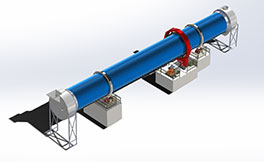 Rotary Dryer
Sludge Dryer
Chicken Manure Dryer
Cow Manure Dryer
Coal Slime Rotary Dryer
Double Drum Rotary Dryer
Sand Dryer
Three Cylinder Dryer
Rotary Dryer
Sludge Dryer
Chicken Manure Dryer
Cow Manure Dryer
Coal Slime Rotary Dryer
Double Drum Rotary Dryer
Sand Dryer
Three Cylinder Dryer
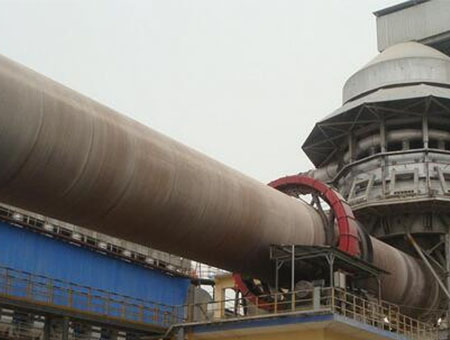
Efficient Calcination, Low Energy Consumption – Maximize Your Magnesium Output
Magnesium is valued for its low density, high specific strength and stiffness, excellent damping capacity for vibration and noise reduction, superior electromagnetic shielding, radiation resistance, non-sparking friction behavior, small thermal neutron capture cross‑section, outstanding liquid‑forming performance, and ease of recycling.
After processing in a magnesium rotary kiln, the material is widely used across virtually all industrial sectors. One of its primary applications is as an alloying element in aluminum alloys, where it significantly enhances both material strength and corrosion resistance.
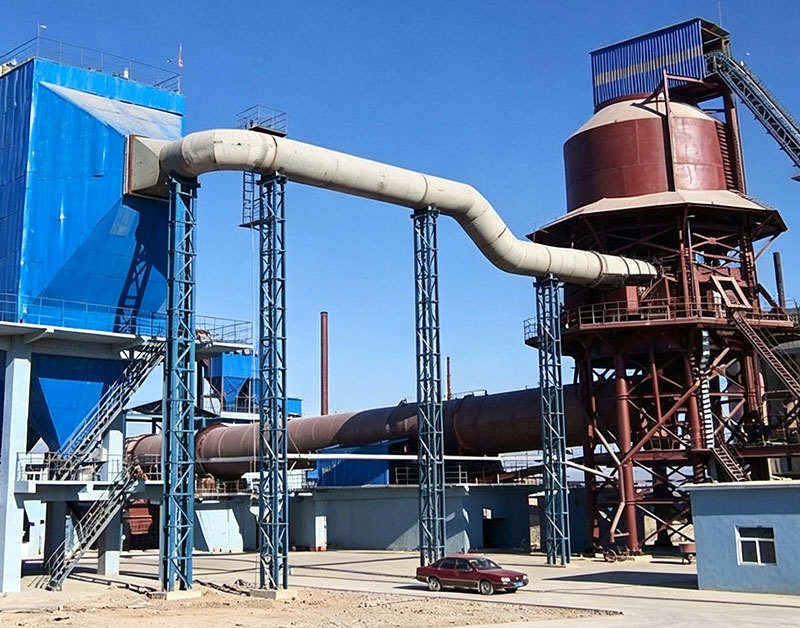
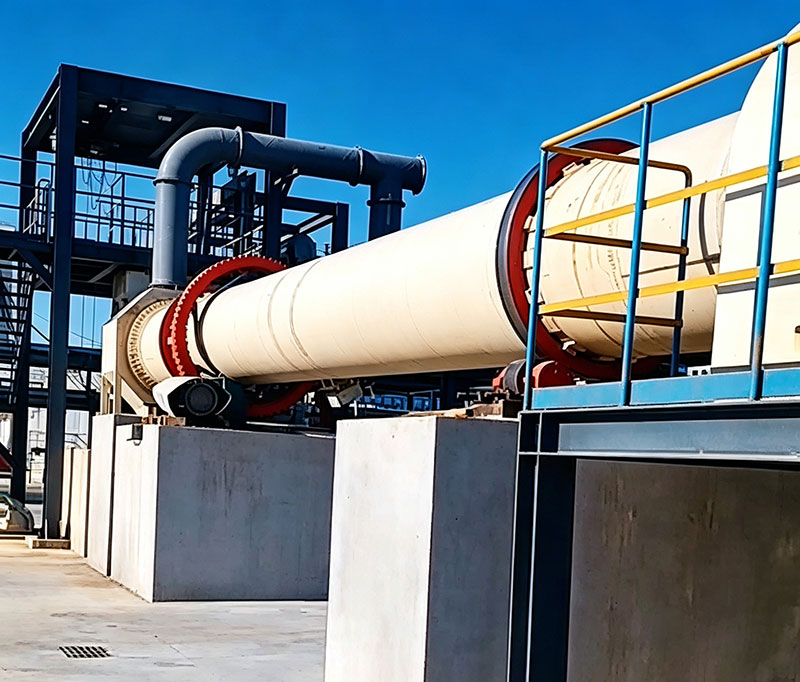
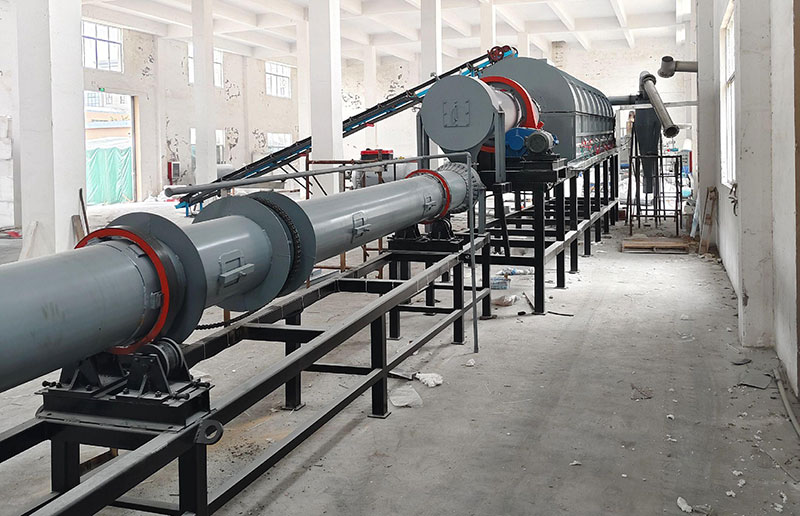
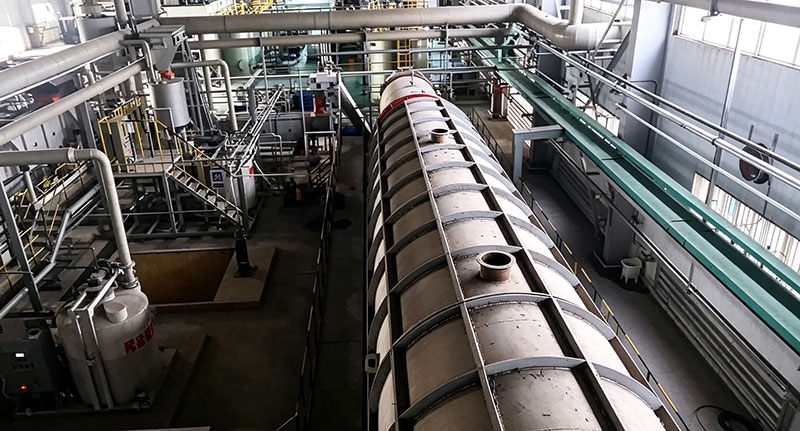
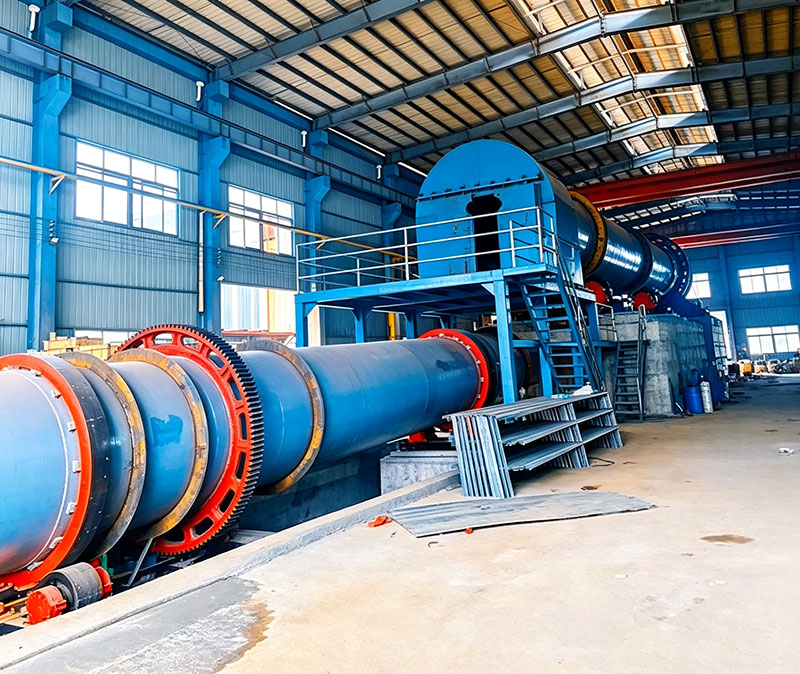
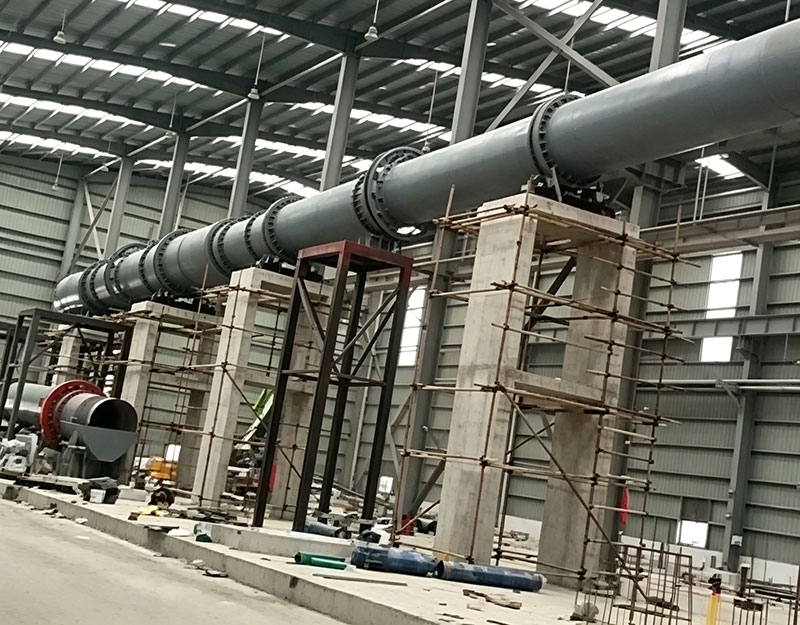
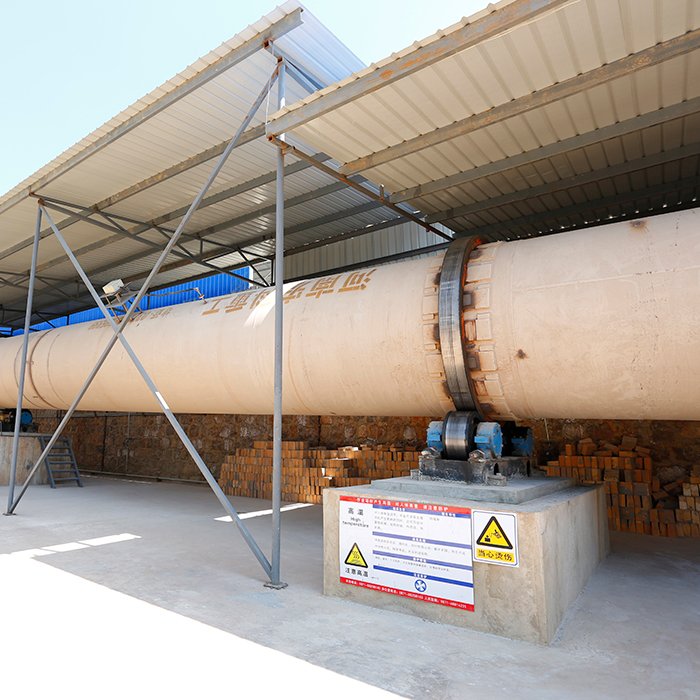
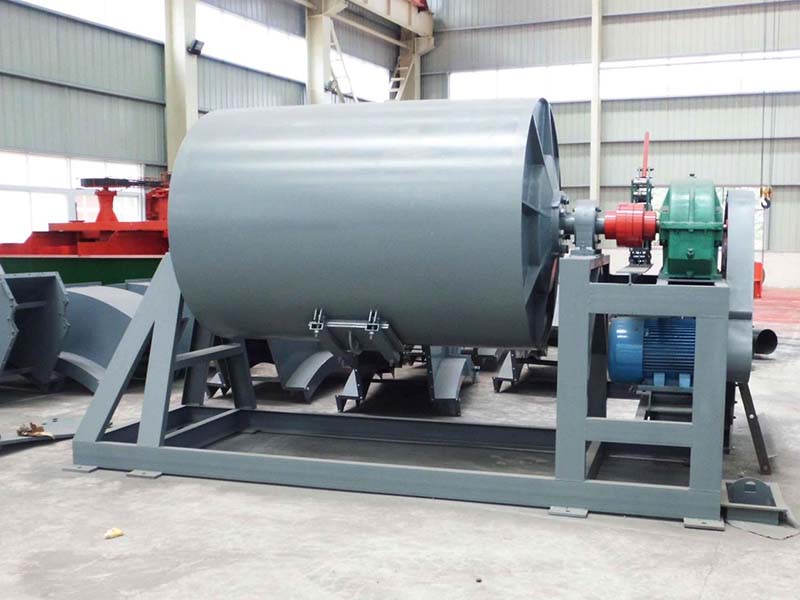
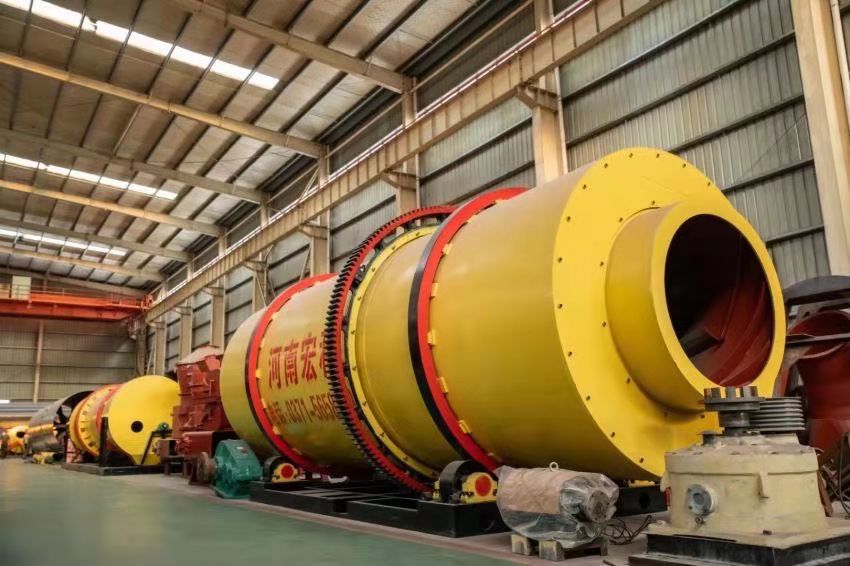
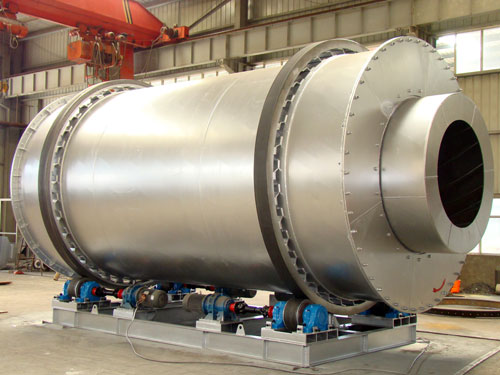
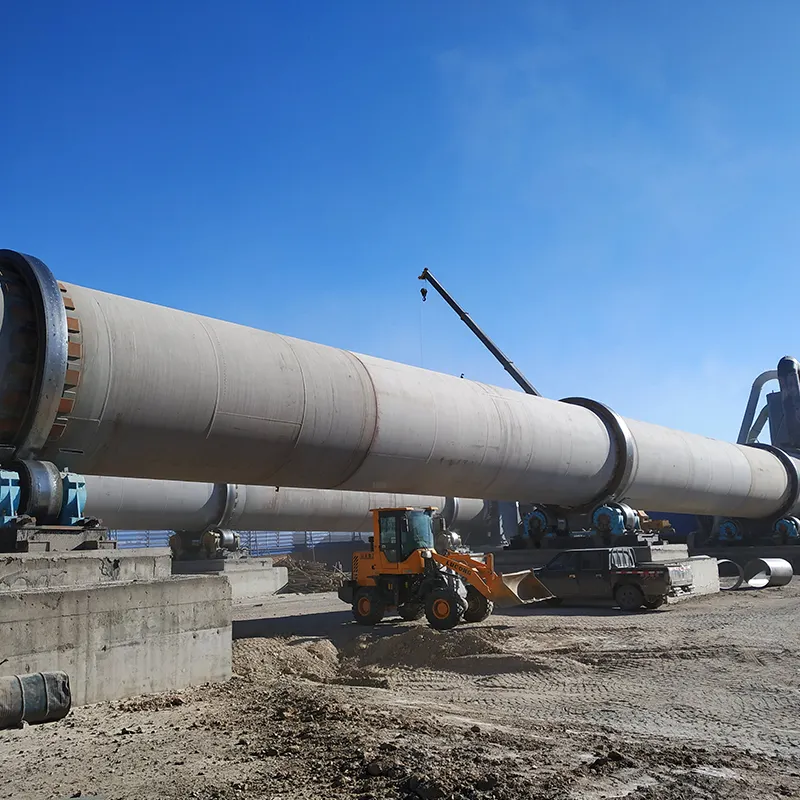
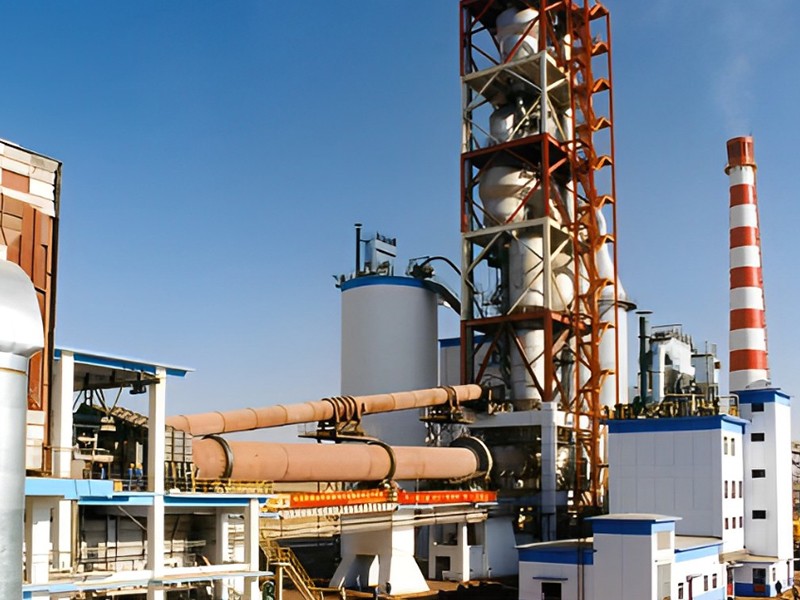
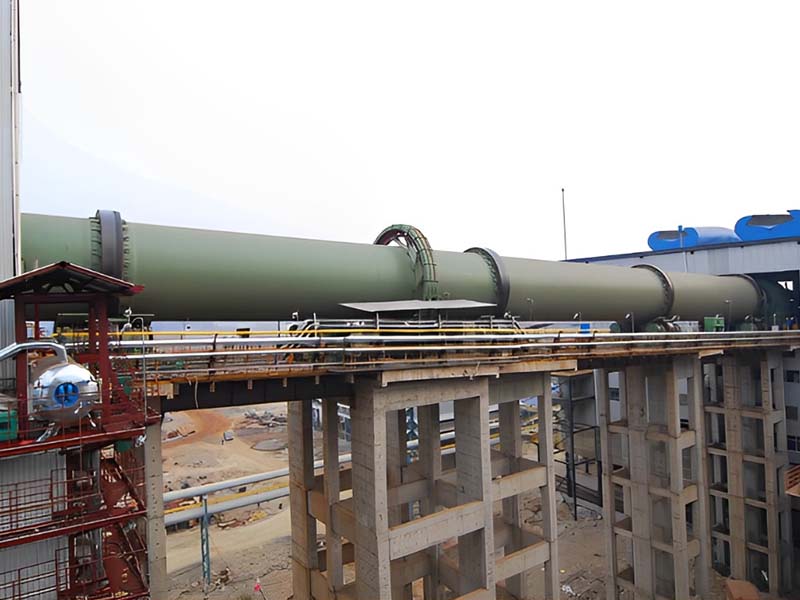
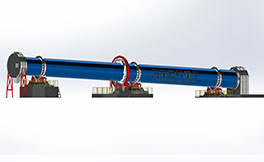
A magnesium rotary kiln (commonly referred to as a rotary calciner) is a piece of building materials equipment.
Based on the material being processed, rotary kilns are generally classified into three categories:
Cement kilns – for clinker production (dry or wet process)
Metallurgical & chemical kilns
Lime kilns
The magnesium rotary kiln falls under the metallurgical & chemical category, specifically designed for the calcination of dolomite in magnesium production.
The typical production route using the magnesium rotary kiln is as follows:
Crushing – Dolomite is crushed to a suitable size (30–40 mm).
Calcination – The crushed dolomite is sintered in the magnesium rotary kiln to produce calcined dolomite (commonly called "dolime").
Cooling – The calcined product is cooled in a cooler.
Grinding – The cooled dolime is ground into fine powder in a ball mill.
Briquetting – The powder is pressed into briquettes using a briquetting press.
Crushing & Mixing – The briquettes are crushed and then mixed uniformly with:
Ferrosilicon powder (75% Si) and
Fluorite powder (≥95% GaF₂, though the standard specification is typically CaF₂ ≥ 95%).
Briquetting again – The mixture is compressed into pellets.
Reduction – The pellets are loaded into heat‑resistant stainless‑steel reduction pots placed in a reduction furnace, where crude magnesium is extracted at:
1200–1250 °C
Vacuum level: 1.33 Pa
Refining & Casting – The crude magnesium is refined with flux, cast into ingots, and surface‑treated to obtain the finished magnesium ingots.
Our magnesium rotary kiln offers the following outstanding performance characteristics:
High mechanization – The calcination system involves extensive mechanical equipment, resulting in a relatively high steel consumption per unit output and a moderate capital investment. However, this ensures reliable and continuous operation.
Easy process control – The calcination process is highly mechanized, making it easy to control operational parameters. With large processing capacity, the kiln fully meets the demands of industrial‑scale magnesium production lines.
Excellent calcination quality – During operation, the material is continuously tumbled, ensuring uniform heat distribution. The burner system allows precise temperature control, yielding high‑quality calcined dolomite with an activity level of 350–400 ml (measured by the standard method). The low‑pollution design also helps produce high‑purity magnesium.
Low thermal energy consumption – Compared to counter‑flow single‑drum mechanical vertical kilns, our rotary kiln consumes less heat per unit of product when calcining metallurgical lime or active lime.
Material considerations – Due to the tumbling motion inside the kiln, material abrasion generates a certain amount of fines. Therefore, the feed material must have adequate strength. In some cases, vertical kilns can produce a coarser product, but our rotary kiln delivers superior uniformity and reactivity for downstream magnesium reduction.
| Product specifications(m) | Kiln dimensions | Capacity(t/d) | Rotation speed(r/min) | Motor power(kw) | Total weight(t) | Note | ||
| Diameter(m) | Length(m) | Obliquity(%) | ||||||
| Φ2.5×40 | 2.5 | 40 | 3.5 | 180 | 0.44-2.44 | 55 | 149.61 | Kiln with shaft cyclone preheater |
| Φ2.5×50 | 2.5 | 50 | 3 | 200 | 0.62-1.86 | 55 | 187.37 | ---- |
| Φ2.5×54 | 2.5 | 54 | 3.5 | 204 | 0.48-1.45 | 55 | 196.29 | ---- |
| Φ2.7×42 | 2.7 | 42 | 3.5 | 320 | 0.10-1.52 | 55 | 198.5 | ---- |
| Φ2.8×44 | 2.8 | 44 | 3.5 | 400 | 0.437-2.18 | 55 | 201.58 | Outside disassemble kiln |
| Φ3.0×45 | 3 | 45 | 3.5 | 500 | 0.5-2.47 | 75 | 210.94 | ---- |
| Φ3.0×48 | 3 | 48 | 3.5 | 700 | 0.6-3.48 | 100 | 237 | Outside disassemble kiln |
| Φ3.0×60 | 3 | 60 | 3.5 | 300 | 0.3-2 | 100 | 310 | Alumyte-alumina forge kiln |
| Φ3.2×50 | 3.2 | 50 | 4 | 1000 | 0.6-3 | 125 | 278 | Outside disassemble kiln |
| Φ3.3×52 | 3.3 | 52 | 3.5 | 1300 | 0.266-2.66 | 125 | 283 | Kiln with preheater precalcine |
| Φ3.5×54 | 3.5 | 54 | 3.5 | 1500 | 0.55-3.4 | 220 | 363 | Kiln with preheater precalcine |
| Φ3.6×70 | 3.6 | 70 | 3.5 | 1800 | 0.25-1.25 | 125 | 419 | Generating kiln for using ofterheat |
| Φ4.0×56 | 4 | 56 | 4 | 2300 | 0.41-4.07 | 315 | 456 | Kiln with preheater precalcine |
| Φ4.0×60 | 4 | 60 | 3.5 | 2500 | 0.396-3.96 | 315 | 510 | Kiln with preheater precalcine |
| Φ4.2×60 | 4.2 | 60 | 4 | 2750 | 0.4-3.98 | 375 | 633 | Kiln with preheater precalcine |
| Φ4.3×60 | 4.3 | 60 | 3.5 | 3200 | 0.396-3.96 | 375 | 583 | Kiln with preheater precalcine |
| Φ4.5×66 | 4.5 | 66 | 3.5 | 4000 | 0.41-4.1 | 560 | 710.4 | Kiln with preheater precalcine |
| Φ4.7×74 | 4.7 | 74 | 4 | 4500 | 0.35-4 | 630 | 849 | Kiln with preheater precalcine |
| Φ4.8×74 | 4.8 | 74 | 4 | 5000 | 0.396-3.96 | 630 | 899 | Kiln with preheater precalcine |
| Φ5.0×74 | 5 | 74 | 4 | 6000 | 0.35-4 | 710 | 944 | Kiln with preheater precalcine |
| Φ5.6×87 | 5.6 | 87 | 4 | 8000 | Max4.23 | 800 | 1265 | Kiln with preheater precalcine |
| Φ6.0×95 | 6 | 95 | 4 | 10000 | Max5 | 950×2 | 1659 | Kiln with preheater precalcine |
For more detailed technical parameters, capacity options, or a customized quotation, please contact our sales team. We are ready to support your magnesium production project with reliable equipment and professional engineering solutions.
- Send Us Your Equipment Demand -