Zinc Oxide Rotary Kiln
Product DescriptionWe are a professional rotary kiln manufacturer in China, prov

 Rotary Kiln
Lime Rotary Kiln
Cement Rotary Kiln
Ceramsite Rotary Kiln
Electrically Heated Rotary Kiln
Magnesium Metal Rotary Kiln
Hazardous Waste Rotary Kiln
Oil Fracturing Proppant Rotary Kiln
Magnesite Rotary Kiln
Coal Gangue Rotary Kiln
Dolomite Rotary Kiln
Aluminum Oxide Rotary Kiln
Zinc Oxide Rotary Kiln
Laterite Nickel Ore Rotary Kiln
Bauxite Rotary Kiln
Kaolin Rotary Kiln
Metallurgical Rotary kiln
Ceramic Sand Kiln
Sponge Iron Rotary Kiln
 Rotary Dryer
Sludge Dryer
Chicken Manure Dryer
Cow Manure Dryer
Coal Slime Rotary Dryer
Double Drum Rotary Dryer
Sand Dryer
Three Cylinder Dryer
Product DescriptionWe are a professional rotary kiln manufacturer in China, prov

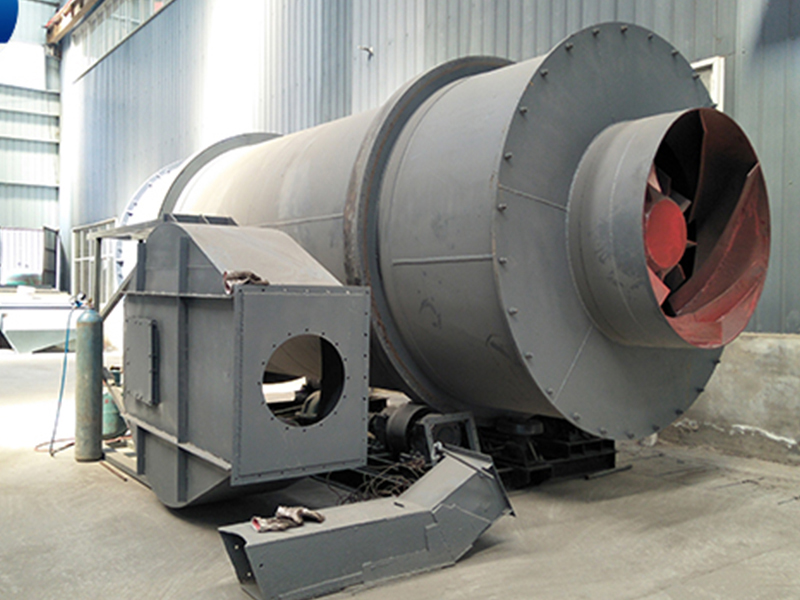
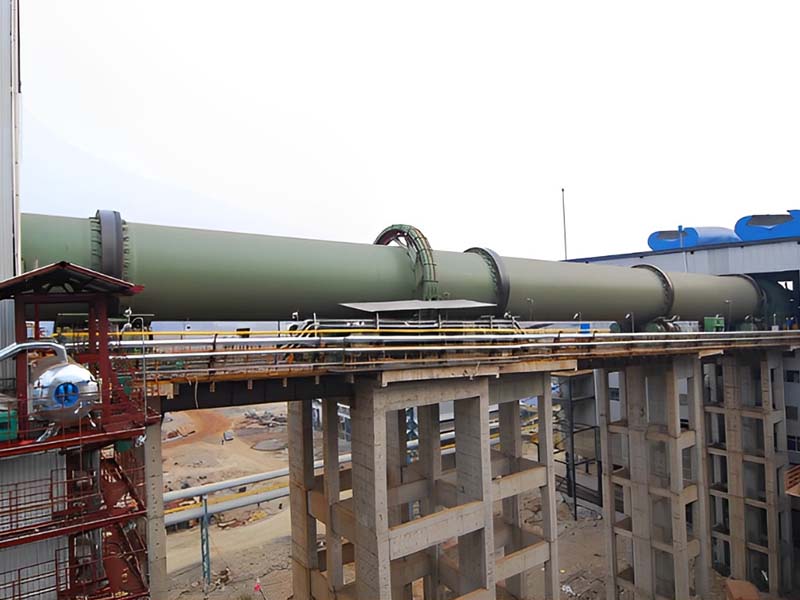
A zinc oxide rotary kiln is an industrial thermal processing machine used in zinc oxide production and the treatment of suitable zinc-bearing materials. Depending on the raw material and process design, rotary kiln systems may be used for calcination, reduction, volatilization, or other high-temperature treatment processes associated with zinc recovery and zinc oxide production.
The appropriate kiln configuration depends on the feed material, zinc content, impurities, required product specifications, processing capacity, fuel availability, and downstream gas treatment requirements. These factors should be evaluated before determining the kiln dimensions, operating conditions, and auxiliary equipment.
Henan Hongke Heavy Machinery Co., Ltd. provides rotary kiln equipment and industrial processing solutions. For zinc oxide applications, the kiln design and configuration should be matched to the intended process rather than selected by equipment size alone.
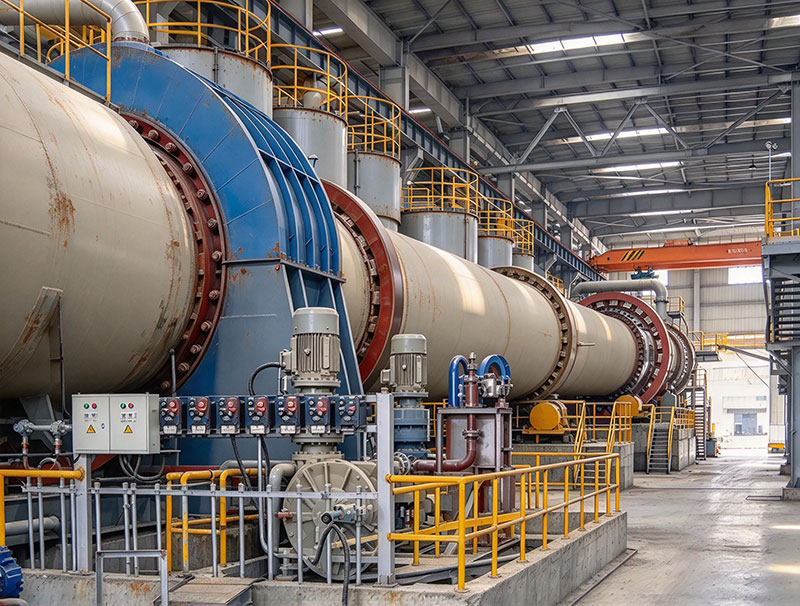
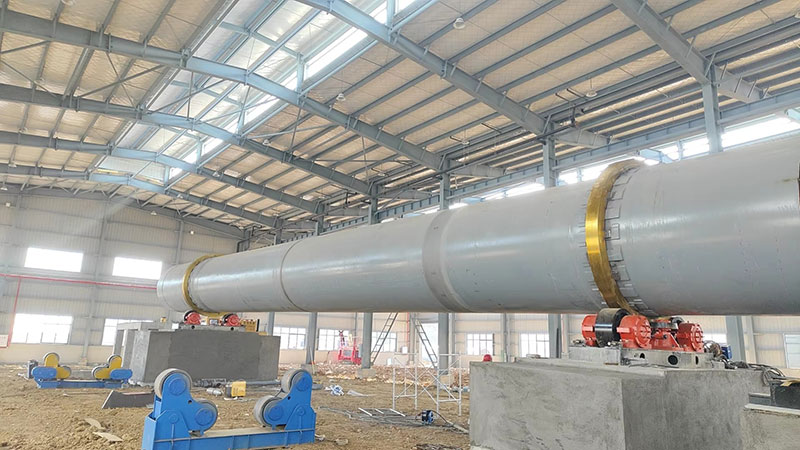
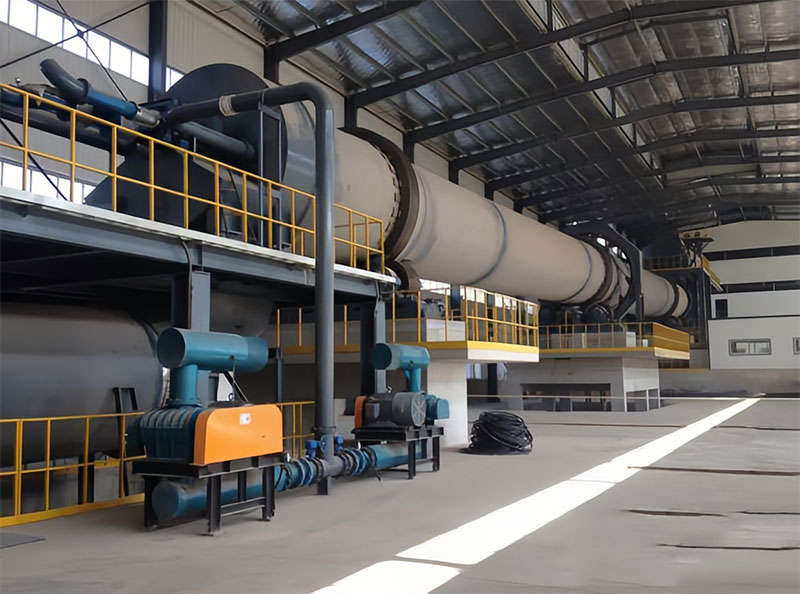
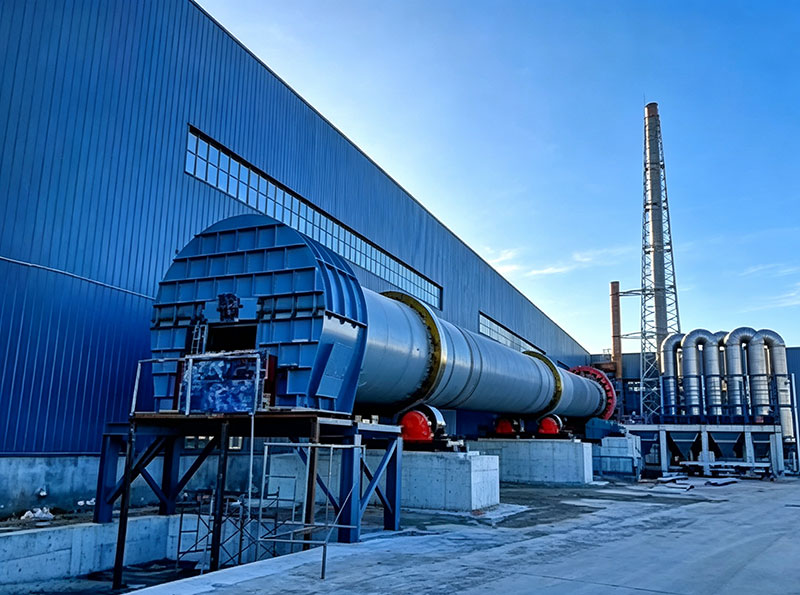
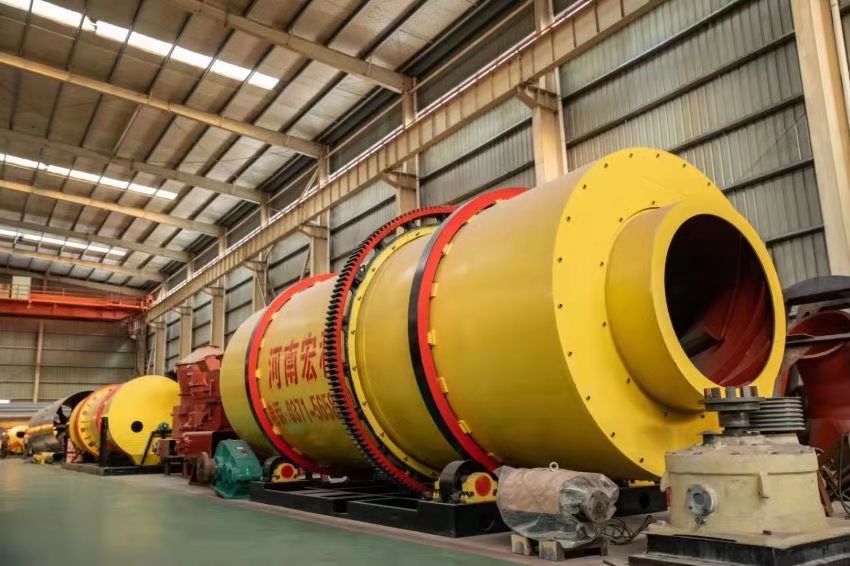
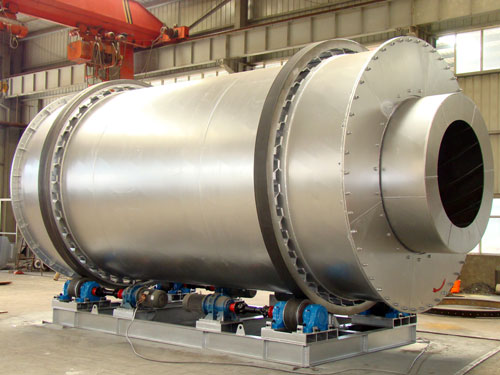
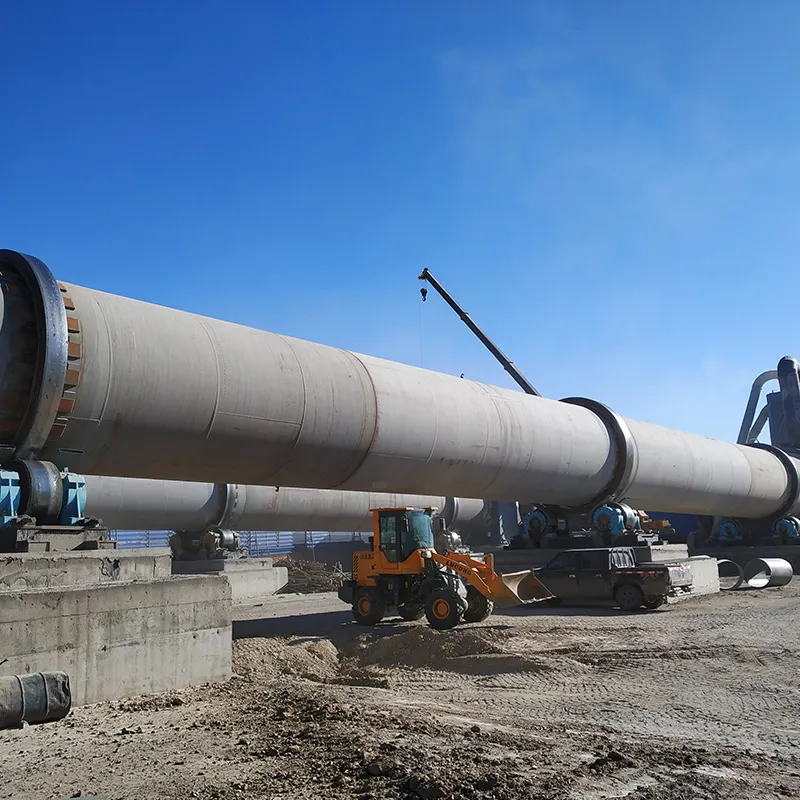
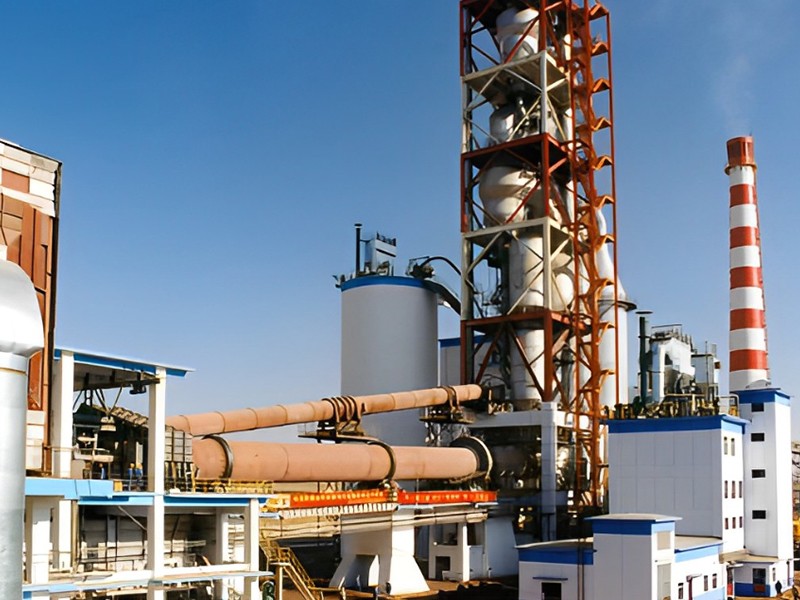
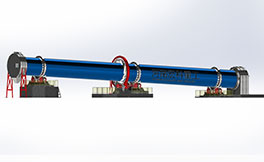
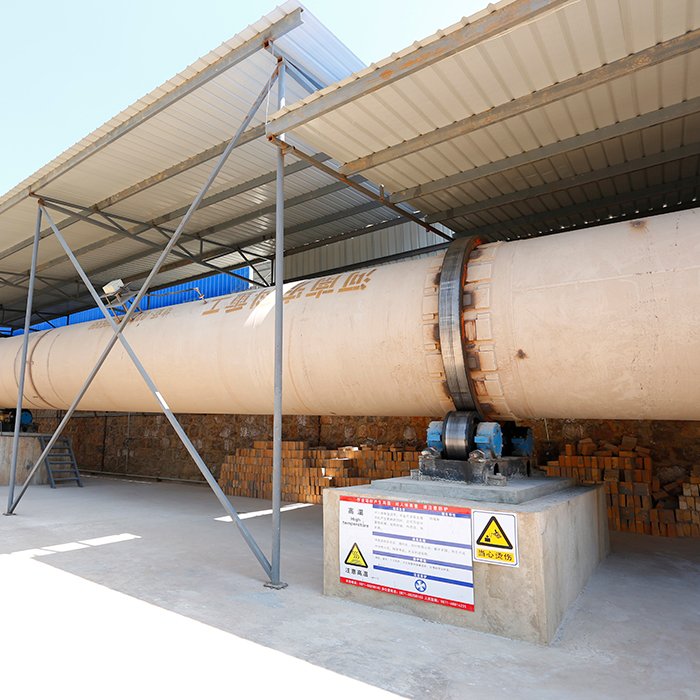
The working principle of a zinc oxide rotary kiln depends on the selected production process. In a typical rotary kiln, material moves through a rotating cylindrical chamber while being exposed to controlled thermal conditions. The kiln supports the required physical and chemical changes as the material travels through the processing zone.
For processes involving the treatment of zinc-bearing residues or dust, the thermal conditions may promote the separation and volatilization of zinc compounds. The zinc-bearing vapor and dust are then handled by a suitable downstream gas collection and treatment system. Other zinc oxide processes may require different thermal conditions and equipment arrangements.
Prepared feed material is supplied to the kiln through a suitable feeding arrangement. Feed preparation, particle size, moisture content, chemical composition, and feeding consistency should be considered when designing the process.
The kiln rotates to move and mix the material as it passes through the thermal processing zone. Operating temperature, rotation speed, inclination, residence time, and atmosphere are determined according to the selected process and material characteristics.
Depending on the process, thermal treatment may involve calcination, reduction, or volatilization of zinc-bearing compounds. The specific reactions and operating conditions depend on feed composition and the intended product or recovery route. Process design should be based on material analysis and appropriate technical evaluation.
Solid material is discharged from the kiln for collection or further treatment. The properties and intended use of the discharged material depend on the feedstock and process. Where zinc recovery is involved, the solid residue and recovered zinc-bearing product should be evaluated separately.
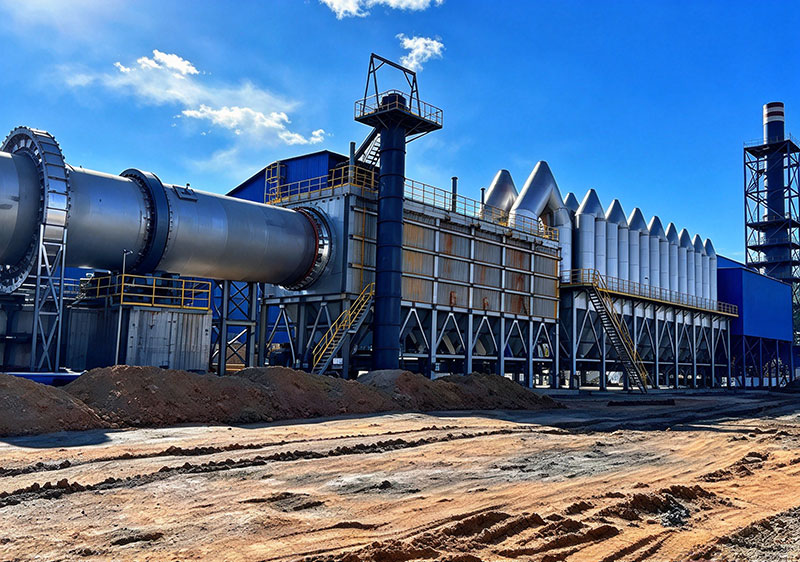
High-temperature zinc processing may generate zinc-bearing vapors, fine particles, and process gases. A suitable downstream collection and treatment system is therefore an important part of the overall process design. The required equipment depends on the process route, gas composition, dust loading, and applicable environmental requirements.
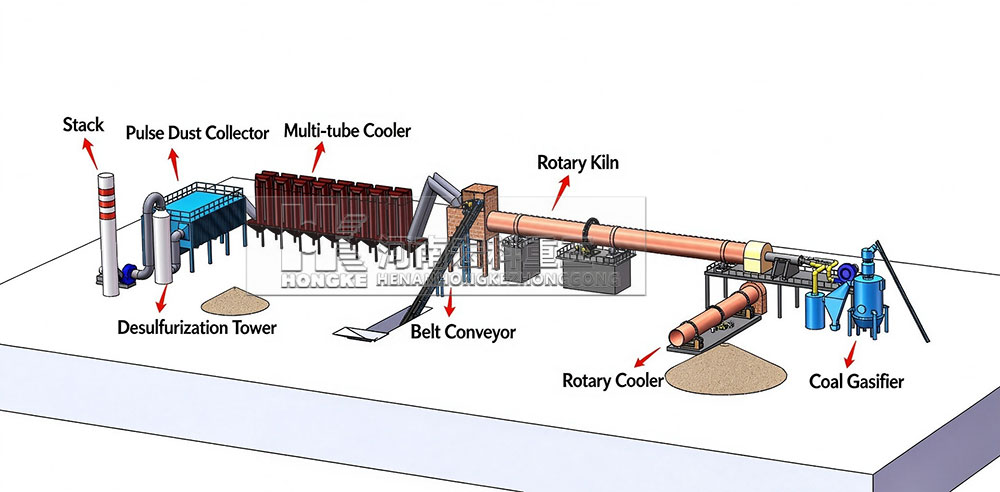
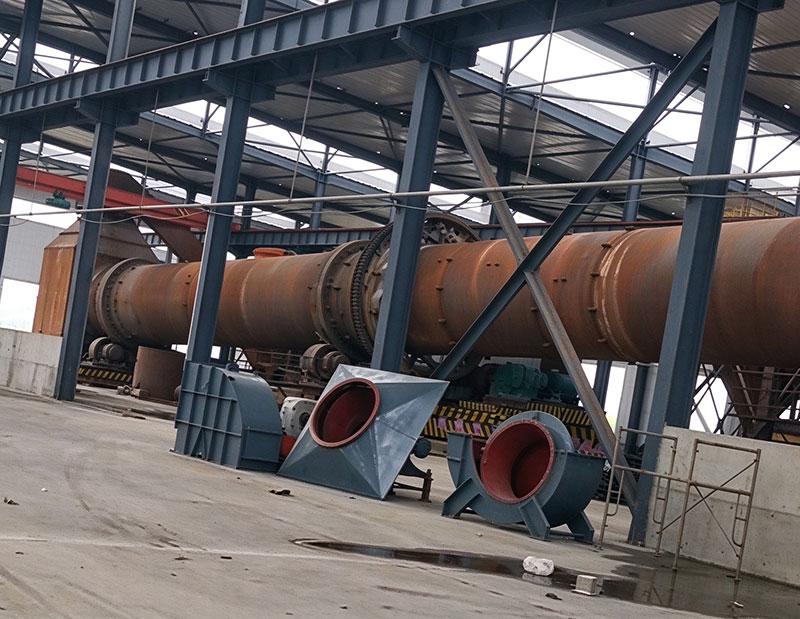
The main equipment configuration depends on the selected process and project requirements. A rotary kiln installation may include the following components:
Additional equipment, such as feed preparation systems, cooling equipment, gas handling systems, and dust collection equipment, may be required by the overall process. These items should be clearly identified as included, optional, or supplied separately in the project scope.
Kiln specifications should be determined by the feed material, required thermal treatment, target product, and operating conditions. This approach helps align equipment selection with the actual process requirements.
The rotating kiln design allows material to move through the processing chamber during operation. Actual throughput and residence time depend on kiln dimensions, operating parameters, material properties, and process design.
Important design considerations include kiln dimensions, rotation speed, inclination, drive arrangement, heating system, feed and discharge design, and connection to auxiliary equipment. The final configuration should be determined through technical evaluation.
For processes that generate zinc-bearing vapor or dust, the kiln must be evaluated together with suitable downstream gas collection and treatment equipment. Gas handling requirements should be established during process design.
Zinc-bearing materials can differ significantly in zinc content, moisture, particle size, impurities, and chemical behavior. Feed testing and process assessment help establish the basis for selecting suitable kiln operating conditions.
The kiln, drive system, support structure, feeding arrangement, discharge equipment, and required auxiliary systems should be evaluated as a coordinated equipment package. The actual supply scope depends on the project agreement.
The following table lists key parameters for equipment selection. Actual values should be confirmed according to the selected model, feed material, process route, and project requirements.
| Product specifications(m) | Kiln dimensions | Capacity(t/d) | Rotation speed(r/min) | Motor power(kw) | Total weight(t) | Note | ||
| Diameter(m) | Length(m) | Obliquity(%) | ||||||
| Φ2.5×40 | 2.5 | 40 | 3.5 | 180 | 0.44-2.44 | 55 | 149.61 | Kiln with shaft cyclone preheater |
| Φ2.5×50 | 2.5 | 50 | 3 | 200 | 0.62-1.86 | 55 | 187.37 | ---- |
| Φ2.5×54 | 2.5 | 54 | 3.5 | 204 | 0.48-1.45 | 55 | 196.29 | ---- |
| Φ2.7×42 | 2.7 | 42 | 3.5 | 320 | 0.10-1.52 | 55 | 198.5 | ---- |
| Φ2.8×44 | 2.8 | 44 | 3.5 | 400 | 0.437-2.18 | 55 | 201.58 | Outside disassemble kiln |
| Φ3.0×45 | 3 | 45 | 3.5 | 500 | 0.5-2.47 | 75 | 210.94 | ---- |
| Φ3.0×48 | 3 | 48 | 3.5 | 700 | 0.6-3.48 | 100 | 237 | Outside disassemble kiln |
| Φ3.0×60 | 3 | 60 | 3.5 | 300 | 0.3-2 | 100 | 310 | Alumyte-alumina forge kiln |
| Φ3.2×50 | 3.2 | 50 | 4 | 1000 | 0.6-3 | 125 | 278 | Outside disassemble kiln |
| Φ3.3×52 | 3.3 | 52 | 3.5 | 1300 | 0.266-2.66 | 125 | 283 | Kiln with preheater precalcine |
| Φ3.5×54 | 3.5 | 54 | 3.5 | 1500 | 0.55-3.4 | 220 | 363 | Kiln with preheater precalcine |
| Φ3.6×70 | 3.6 | 70 | 3.5 | 1800 | 0.25-1.25 | 125 | 419 | Generating kiln for using ofterheat |
| Φ4.0×56 | 4 | 56 | 4 | 2300 | 0.41-4.07 | 315 | 456 | Kiln with preheater precalcine |
| Φ4.0×60 | 4 | 60 | 3.5 | 2500 | 0.396-3.96 | 315 | 510 | Kiln with preheater precalcine |
| Φ4.2×60 | 4.2 | 60 | 4 | 2750 | 0.4-3.98 | 375 | 633 | Kiln with preheater precalcine |
| Φ4.3×60 | 4.3 | 60 | 3.5 | 3200 | 0.396-3.96 | 375 | 583 | Kiln with preheater precalcine |
| Φ4.5×66 | 4.5 | 66 | 3.5 | 4000 | 0.41-4.1 | 560 | 710.4 | Kiln with preheater precalcine |
| Φ4.7×74 | 4.7 | 74 | 4 | 4500 | 0.35-4 | 630 | 849 | Kiln with preheater precalcine |
| Φ4.8×74 | 4.8 | 74 | 4 | 5000 | 0.396-3.96 | 630 | 899 | Kiln with preheater precalcine |
| Φ5.0×74 | 5 | 74 | 4 | 6000 | 0.35-4 | 710 | 944 | Kiln with preheater precalcine |
| Φ5.6×87 | 5.6 | 87 | 4 | 8000 | Max4.23 | 800 | 1265 | Kiln with preheater precalcine |
| Φ6.0×95 | 6 | 95 | 4 | 10000 | Max5 | 950×2 | 1659 | Kiln with preheater precalcine |
Important: Kiln capacity, zinc recovery, product quality, energy consumption, and emissions depend on the feed composition, selected process, auxiliary equipment, and operating conditions. These values should be confirmed using project-specific technical data rather than treated as universal specifications.
Zinc oxide rotary kiln equipment may be used in industrial processes involving zinc-bearing materials. The appropriate application depends on the raw material composition and the selected process route.
Not all zinc-bearing materials can be processed using the same kiln configuration. Feed composition, impurities, material behavior, product requirements, and environmental controls must be assessed before determining suitability.
Selecting a suitable zinc oxide rotary kiln requires a clear understanding of the feed material and the intended process. The following information helps establish the basis for equipment selection:
Providing representative feed analysis and a clear process objective helps determine whether a rotary kiln is suitable and what supporting equipment may be required. Process performance should be established through appropriate technical evaluation and, where necessary, testing.
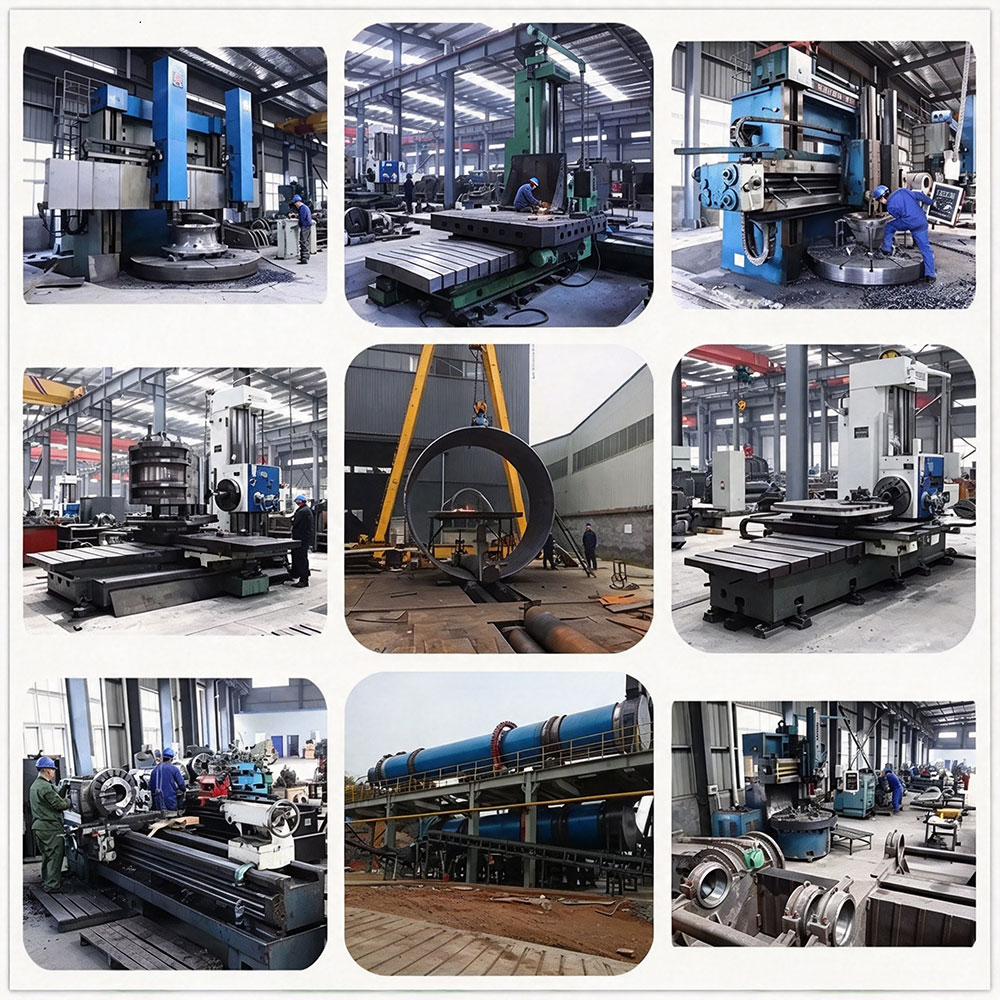
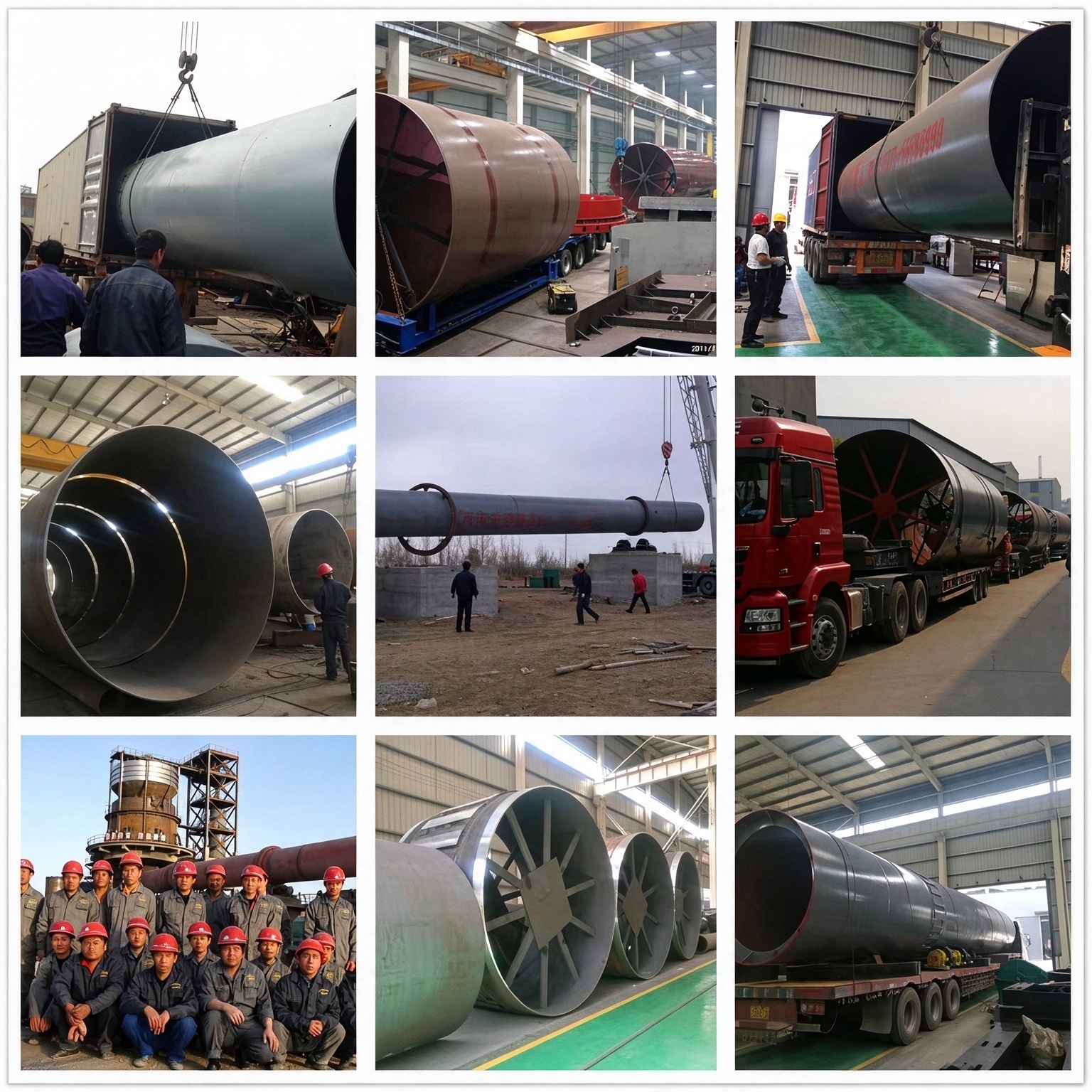
Henan Hongke Heavy Machinery Co., Ltd. focuses on one-stop solutions for mining machinery and industrial processing equipment. Its main product range includes rotary kilns, rotary dryers, ball mills, crushers, and related production line equipment.
For zinc oxide rotary kiln projects, equipment selection should be based on the feed material, process objective, required capacity, operating conditions, and auxiliary system requirements. Henan Hongke Machinery can evaluate project information to support kiln selection and equipment configuration.
A zinc oxide rotary kiln is used in suitable thermal processing routes for zinc oxide production or the treatment of zinc-bearing materials. Its exact function depends on the feedstock and process design.
Some zinc-bearing dusts and residues can be treated in rotary kiln systems, but suitability depends on chemical composition, impurities, material properties, process objectives, and environmental requirements. Representative material analysis is recommended before equipment selection.
No. A rotary kiln is a thermal processing machine. A complete production line may also require feed preparation, feeding and conveying equipment, gas collection and treatment, cooling, product handling, and other process-specific systems.
Capacity depends on kiln dimensions, feed composition, particle size, moisture content, process conditions, residence time, and the required product or treatment outcome. Capacity should be defined using the appropriate feed or output basis.
Depending on the process, auxiliary equipment may include feed preparation and conveying systems, a heating system, discharge equipment, gas collection and treatment systems, cooling equipment, and dust collection equipment. The final list depends on the project design.
Kiln dimensions, drive arrangements, heating configuration, feeding and discharge systems, and auxiliary equipment can be evaluated according to the material and process requirements. The final design is subject to technical assessment.
Please provide the feed material type, chemical analysis, target process or product, required capacity, feed properties, available fuel, project location, and relevant environmental requirements. These details help establish a basis for equipment selection and a project-specific proposal.
Looking for a rotary kiln for zinc oxide production or zinc-bearing material processing? Contact Henan Hongke Heavy Machinery Co., Ltd. with your feed analysis, process objective, required capacity, and project conditions. Our team can evaluate the information and help identify a suitable kiln configuration.
- Send Us Your Equipment Demand -