
Rotary Kiln: The Core Driving Force of High-Efficiency Industrial Thermal Processing
HONGKE CHINA
Release Date:2026-05-14
Views:
In the global industrial landscape, where efficiency, sustainability and reliability are the cornerstones of successful production, the rotary kiln stands out as an indispensable thermal processing equipment, empowering countless industries to achieve breakthroughs in material transformation and production upgrading. Since its invention in the 1800s, this versatile equipment has evolved continuously, from its initial application in cement production to its widespread use across multiple industrial sectors, becoming a symbol of advanced industrial manufacturing.
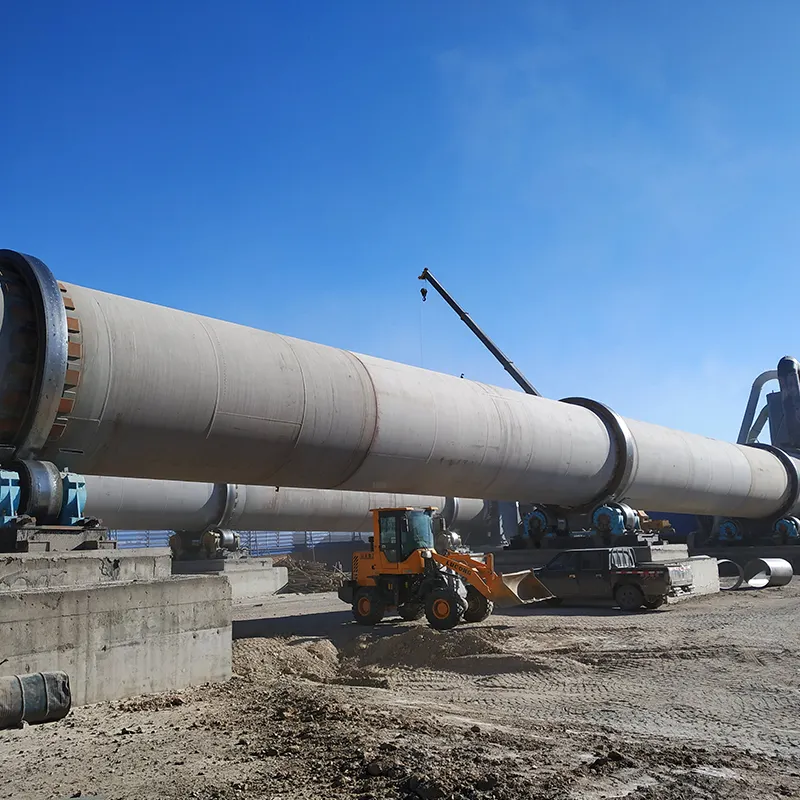
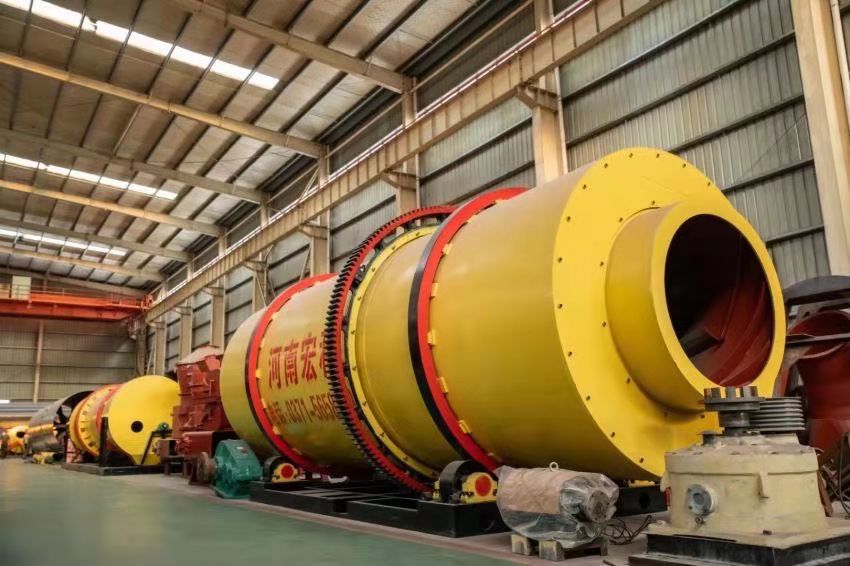
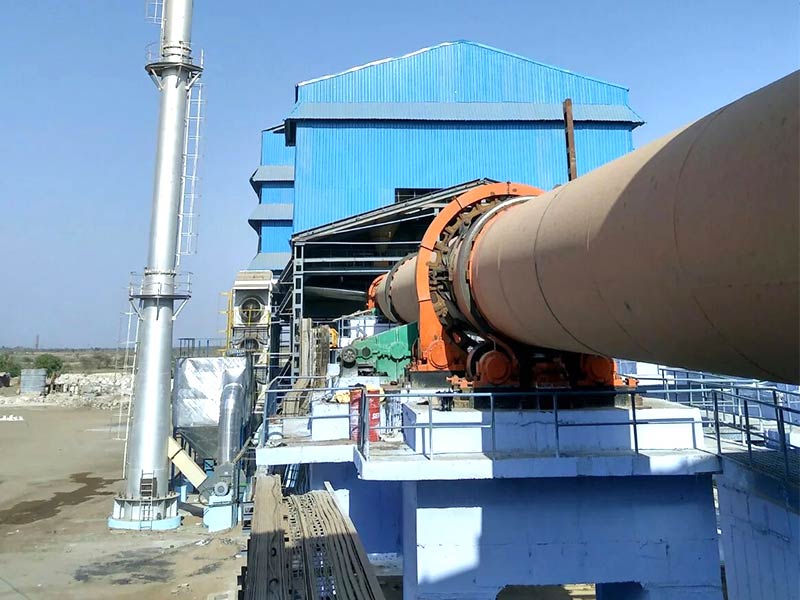
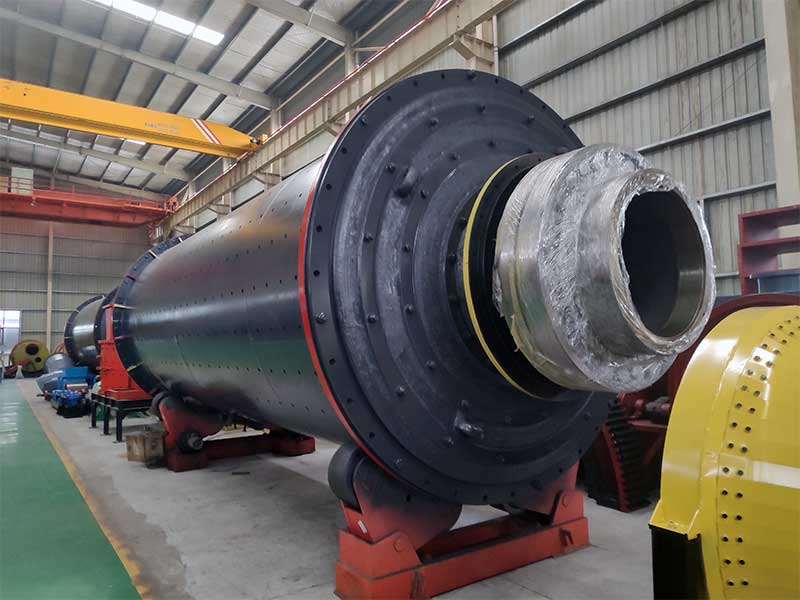
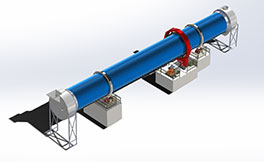
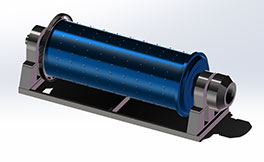
As a professional thermal processing instrument, the rotary kiln realizes chemical or physical changes of solid materials through precise temperature control and scientific structural design, covering a variety of key processes such as calcination, thermal desorption, organic combustion, reduction and sintering. Its core structure consists of shell, seals, riding ring, support rollers, drive system and other components, which work together to ensure stable operation even in harsh working environments with high temperature and heavy load. The slightly inclined cylindrical shell rotates slowly, allowing materials to move in a spiral path from the feed end to the discharge end under gravity, realizing full mixing and uniform heat exchange with hot gas flow, which is the key to ensuring consistent product quality.
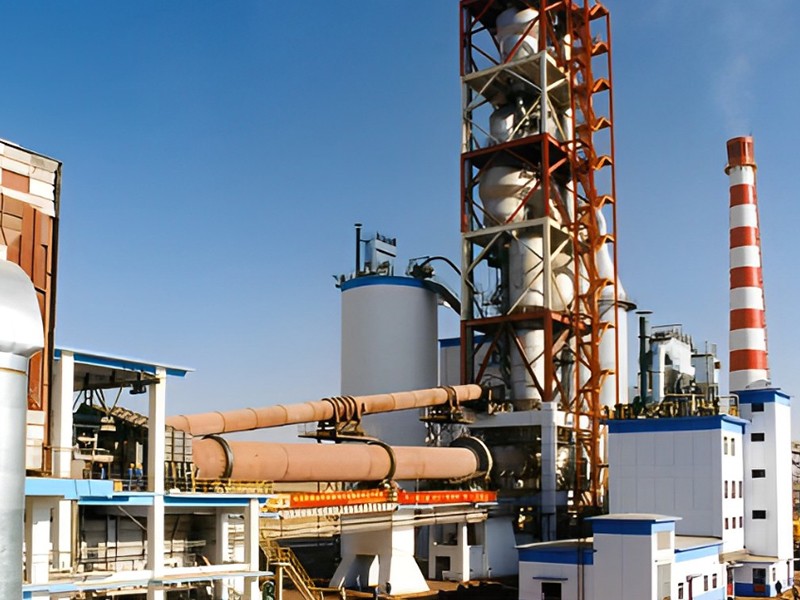
What makes the rotary kiln irreplaceable in modern industry is its extraordinary versatility and adaptability. It has become a core equipment in building materials, metallurgy, chemical industry, environmental protection and other fields, creating enormous value for global enterprises. In the building materials industry, it is the core of cement and lime production, calcining raw materials at high temperatures above 1400℃ to form high-quality cement clinker or quicklime, laying the foundation for infrastructure construction worldwide. In the metallurgical field, it is used for ore roasting, iron ore reduction and other processes, helping to purify minerals and improve the efficiency of subsequent smelting.
In the context of global emphasis on environmental protection and sustainable development, the rotary kiln has also achieved a qualitative leap in energy conservation and emission reduction. Modern rotary kilns integrate advanced heating technologies and intelligent control systems, optimizing heat transfer efficiency and reducing energy consumption while effectively controlling emissions. It can not only use clean energy such as gas and electricity, but also realize waste-to-energy conversion through waste incineration and pyrolysis, turning industrial waste and hazardous waste into usable resources, which is in line with the global low-carbon development trend and helps enterprises achieve green production goals.
Compared with other thermal processing equipment, the rotary kiln has obvious advantages in large-scale production and stable operation. Its continuous operation mode avoids the inefficiency of batch processing, realizing high-throughput production of tons of materials per hour, which greatly improves production efficiency and reduces unit production costs for enterprises. At the same time, the optimized structural design and high-quality refractory lining ensure long-term stable operation of the equipment, reduce maintenance frequency and costs, and ensure the continuity of production lines, winning wide recognition from customers around the world.
From cement plants in the Middle East to mineral processing bases in Africa, from chemical factories in Europe to environmental protection projects in Asia, our rotary kiln has been widely used in global markets, helping customers solve pain points in production efficiency, product quality and environmental protection, and achieving win-win development. We adhere to the concept of technological innovation, continuously optimize product design and performance, integrate artificial intelligence into equipment control, and provide customized solutions according to the specific needs of different industries and regions, making the rotary kiln better adapt to the changing market demands.
In the future, with the continuous advancement of industrial intelligence and green development, the rotary kiln will usher in more development opportunities. It will not only continue to play a core role in traditional industries, but also explore new application fields such as biogas plant digestate treatment and new energy material processing, injecting new vitality into global industrial upgrading. Choosing our rotary kiln is choosing efficiency, reliability and sustainability, and working together to build a more efficient, green and sustainable industrial future.