
Complete Cement Production Line Equipment: A Comprehensive Overview
Modern cement manufacturing is a complex, integrated process — not a collection of individual machines. Every piece of equipment, from raw material handling to final clinker storage, must work as a unified system to achieve consistent product quality, energy efficiency, and reliable long-term operation.
At Henan Hongke Heavy Industry, we design and manufacture complete cement production line equipment as an integrated package. This article provides a detailed overview of every major system in a modern dry-process cement plant, explaining the function, key specifications, and design considerations for each.
Whether you are planning a new greenfield plant, expanding existing capacity, or upgrading an older production line, this guide will help you understand the full scope of equipment required — and the engineering decisions behind each selection.
The Modern Dry-Process Cement Production Line
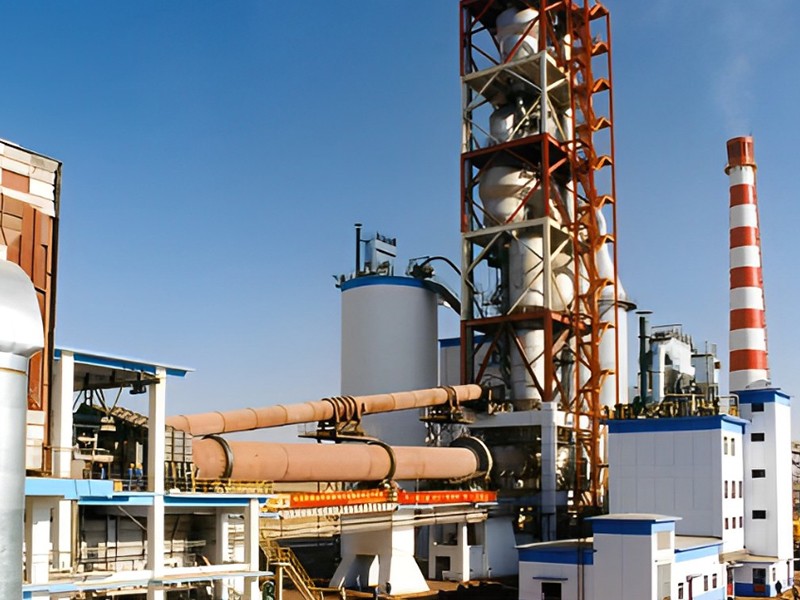
Virtually all new cement plants built today use the dry process with suspension preheating and pre-calcination. This configuration offers the lowest specific heat consumption, the highest production capacity per unit, and the best environmental performance.
A complete cement production line consists of the following major systems, arranged in the order of the manufacturing process:
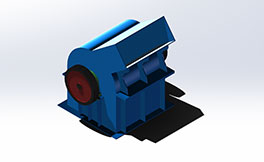
1. Crushing System
Function
Limestone and other raw materials (clay, shale, iron ore, bauxite) are received in large blocks from the quarry. The crushing system reduces these blocks to a size suitable for raw material grinding — typically ≤ 25 mm for limestone and ≤ 50 mm for clay.
Key Equipment
Design Considerations
- Crushing system capacity should be 1.5–2.0 times the raw mill feed rate to allow for intermittent quarry operation and maintenance windows.
- Dust suppression (water spray or dry fog) should be integrated at all transfer points and crusher discharge.
- A covered stockpile with live-bottom reclaim (e.g., apron feeder or belt reclaim) provides buffer storage between the quarry and the raw mill, decoupling the two operations.
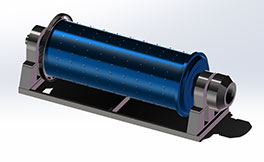
2. Raw Material Grinding System
Function
Crushed raw materials are ground and blended into a fine, homogeneous powder called raw meal — the precursor to cement clinker. The chemical composition of the raw meal must be precisely controlled to produce clinker with the correct mineralogy.
System Types
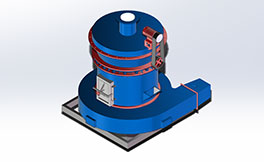
For new plants, a vertical roller mill (VRM) is the industry standard due to its lower energy consumption, compact footprint, and ability to simultaneously dry and grind moist raw materials using hot kiln exhaust gas.
Key Equipment
Raw Meal Quality Control
An online X-ray fluorescence (XRF) analyzer is installed at the raw mill discharge to continuously monitor the chemical composition of the raw meal (CaO, SiO₂, Al₂O₃, Fe₂O₃) and automatically adjust the feed ratios in real time. This is essential for producing consistent, high-quality clinker.
3. Raw Meal Homogenization and Storage
Function
After grinding, the raw meal is stored in a large homogenization silo where it is aerated and blended to achieve a uniform chemical composition before being fed to the preheater. Homogenization reduces compositional fluctuations to within narrow tolerances (typically ±0.2% for CaO).
Key Equipment
The homogenization silo also serves as a buffer, ensuring continuous kiln feed even during short maintenance stops of the raw mill.
4. Preheater and Pre-Calciner System
Function
This is where the thermal processing of cement begins. The preheater progressively heats the raw meal from ambient temperature to approximately 850 °C using the hot exhaust gases leaving the rotary kiln. The pre-calciner, installed at the base of the preheater tower, completes 90–95% of the calcination reaction (CaCO₃ → CaO + CO₂) before the material enters the kiln.
Configuration
The standard configuration for modern plants is a 5-stage cyclone preheater with an in-line calciner (ILC) or separate-line calciner (SLC).
Key Equipment
Pre-Calciner Fuel Flexibility
The pre-calciner can fire multiple fuel types simultaneously — coal, natural gas, petroleum coke, or alternative fuels (RDF, biomass, sewage sludge). If alternative fuel use is planned, the calciner design must be specified accordingly at the project engineering stage.
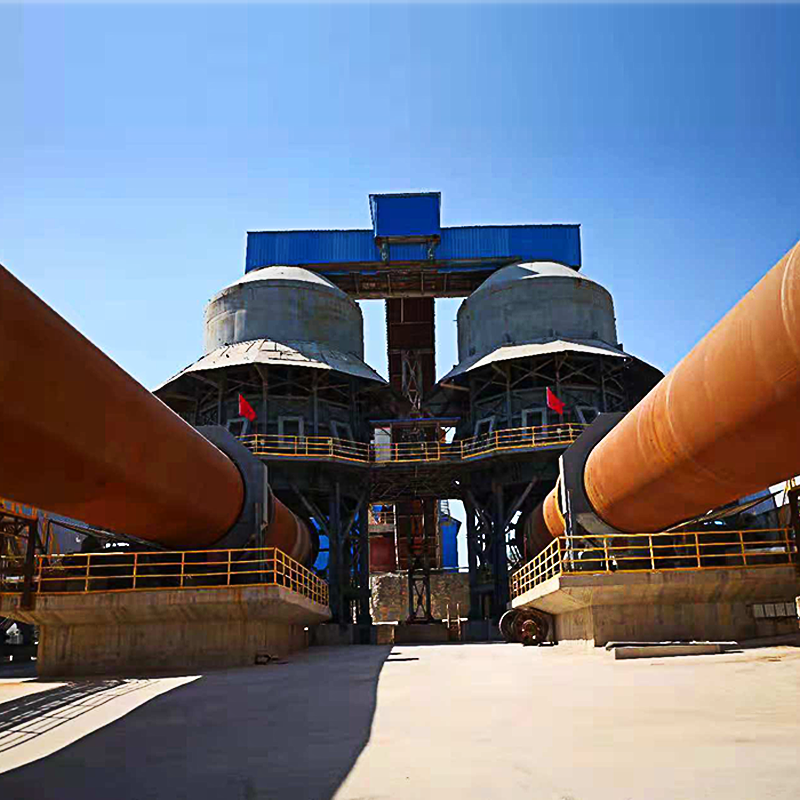
5. Rotary Kiln
Function
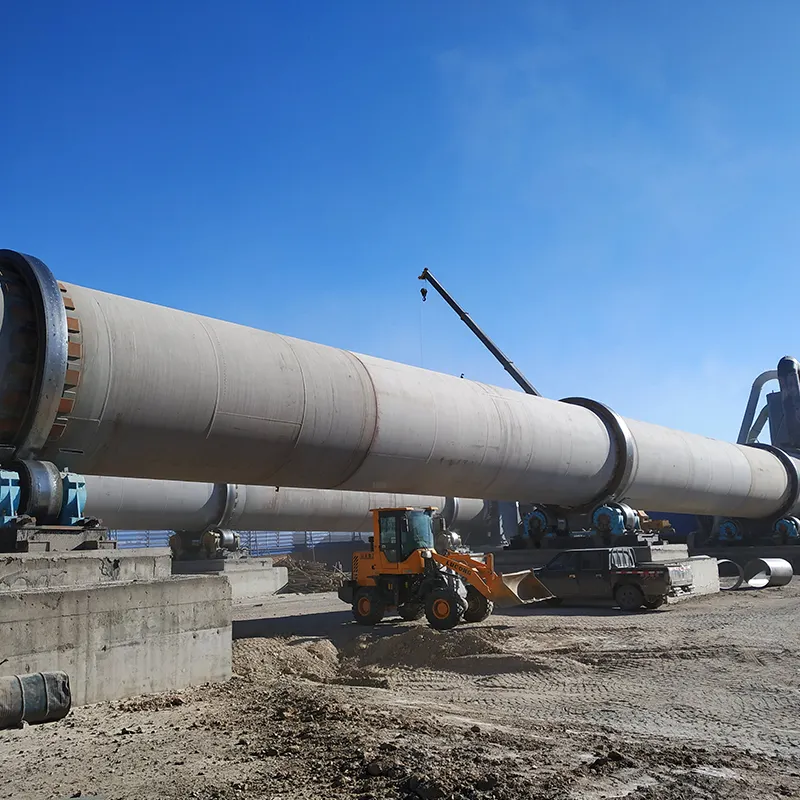
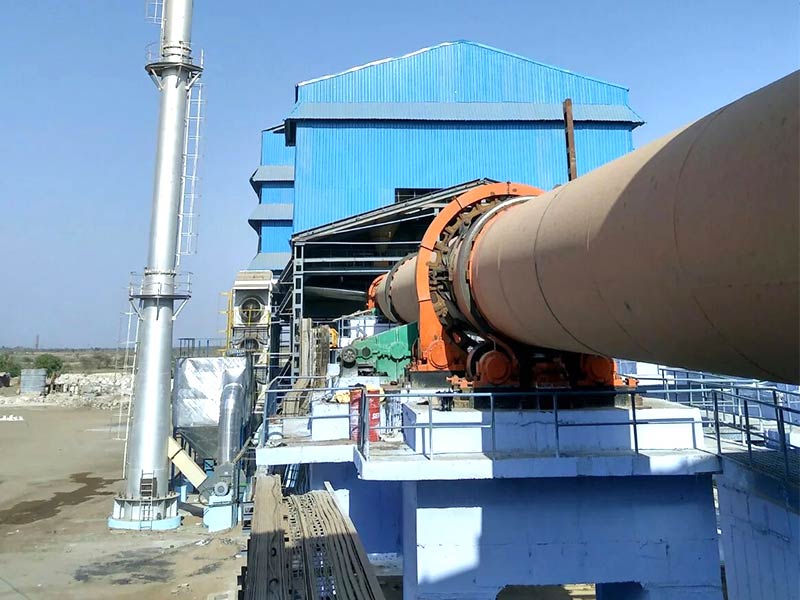
The rotary kiln is the central thermal reactor of the cement plant. Inside the rotating, inclined steel shell, the pre-calcined raw meal undergoes clinkerization — the high-temperature chemical reactions (1,350–1,450 °C in the burning zone) that transform it into cement clinker.
Design for a 5,000 TPD Plant
What We Manufacture In-House
At Hongke Heavy Industry, all major rotary kiln components are fabricated and machined in our own workshops:
- Kiln shells — plate rolling, submerged-arc welding, post-weld heat treatment
- Girth gears — casting, CNC machining of tooth profiles, induction hardening
- Tire rings — forging, machining
- Trunnion roller assemblies — bronze-bushed bearings with water cooling
- Kiln hoods and discharge end assemblies — fabrication with refractory anchoring systems
- Sealing systems — labyrinth-type kiln head and tail seals
For a detailed guide on how to select the right cement rotary kiln for your project, see our dedicated article: How to Choose the Right Cement Rotary Kiln.
6. Clinker Cooler
Function
The clinker cooler rapidly reduces the temperature of the hot clinker exiting the kiln (approximately 1,400 °C) to below 100 °C above ambient. This serves two purposes:
- 1.Preserving clinker quality — rapid cooling locks in the desired clinker mineralogy (C₃S, C₂S, C₃A, C₄AF) and prevents undesirable phase transformations.
- 2.Recovering thermal energy — the cooling air absorbs heat from the clinker and is returned to the kiln and calciner as hot secondary and tertiary air, significantly reducing fuel consumption.
Cooler Type
The standard for all modern plants is a reciprocating grate cooler (also known as a cross-bar cooler or ETA cooler, depending on the manufacturer).
Design Considerations
- Cooler size must be matched to kiln capacity — an undersized cooler will cause high clinker temperatures, poor heat recovery, and damage to downstream conveying equipment.
- Grate plate design and maintenance access are critical for long-term reliability.
- A clinker crusher (hammer crusher or roller crusher) is installed at the cooler discharge to break up any oversized clinker nodules before transport to storage.
7. Coal Grinding and Firing System
Function
Most cement plants fire the rotary kiln and pre-calciner with pulverized coal. The coal grinding system dries and grinds raw coal into fine powder (typically 85% passing 80 μm) suitable for injection and combustion through the kiln and calciner burners.
Key Equipment
Safety Requirements
Coal grinding systems require special attention to explosion prevention and fire protection:
- Inert gas (typically CO₂ or N₂) blanketing of coal dust silos and mill interior
- Explosion venting on the bag filter and ductwork
- Continuous CO and temperature monitoring in the coal dust storage and transport systems
- Spark detection and extinguishing systems on the bag filter inlet
- Fire detection and suppression in the coal mill and dust collector
8. Cement Grinding System
Function
Clinker is not cement. To produce finished cement, clinker must be ground together with gypsum (and optionally supplementary cementitious materials such as fly ash, slag, limestone, or pozzolana) to a fine powder — typically 3,200–3,800 cm²/g Blaine fineness.
System Types
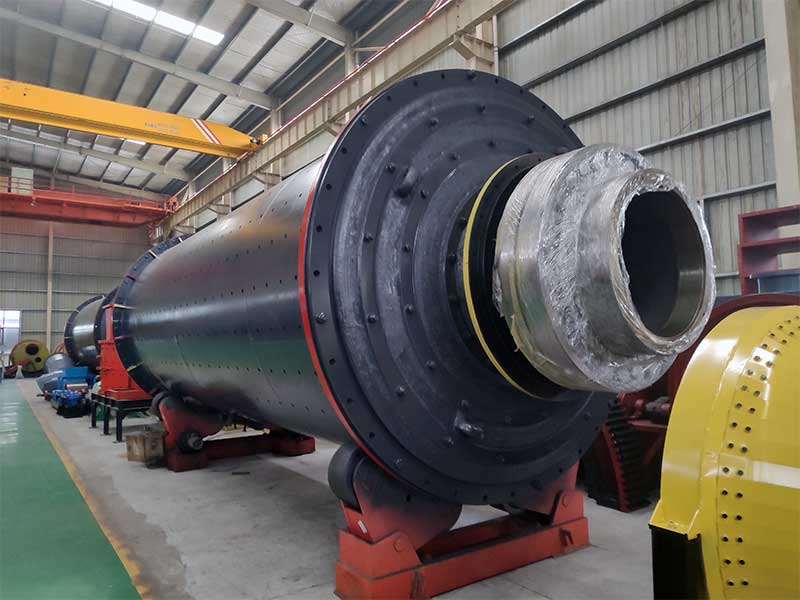
Key Equipment
Quality Control
A particle size analyzer (laser diffraction or air permeability method) and XRF analyzer are installed at the cement mill discharge to continuously monitor fineness and chemical composition, ensuring every batch of cement meets the target specification (e.g., ASTM C150, EN 197-1, or GB 175).
9. Clinker and Cement Storage
Function
Proper storage systems ensure continuous plant operation and flexible product dispatch:
Equipment
- Clinker conveying: pan conveyors or belt conveyors with heat-resistant belts
- Clinker storage: dome silos (preferred for environmental and weather protection) or covered flat storage
- Cement silos: vertical steel or concrete silos with aeration and level instrumentation
- Cement reclaim: aeration pads, air slides, or mechanical reclaim systems
10. Electrical and Automation Systems
Function
The electrical and automation systems are the nervous system of the entire plant. They provide power distribution, motor control, process monitoring, and automated operation of all production systems.
Key Systems
Automation Level
A modern cement plant should operate at a high level of automation, with the DCS controlling all major process loops — raw material dosing, kiln speed and fuel rate, cooler fan speeds, mill operation, and environmental system performance. Advanced process control (APC) systems using model-predictive algorithms can further optimize fuel consumption, reduce operator workload, and stabilize clinker quality.
11. Environmental Protection Systems
Modern cement plants must comply with strict environmental regulations. The following systems are integral to the plant design — not afterthoughts:
11.1 Dedusting
11.2 NOx Reduction
- SNCR (Selective Non-Catalytic Reduction): Injection of urea or ammonia solution into the preheater tower (typically at the calciner or riser duct zone) to reduce NOx emissions by 50–70%.
- SCR (Selective Catalytic Reduction): Used where very low NOx limits apply — more effective but higher cost.
11.3 SO₂ Control
- Raw materials with low sulfur content: SO₂ is absorbed by the alkaline raw meal in the preheater — often no additional treatment is needed.
- High-sulfur fuels or raw materials: Additional SO₂ removal via a dry sorbent injection system (hydrated lime) or a wet flue gas desulfurization system.
11.4 Waste Heat Recovery (WHR)
Kiln exhaust gas and clinker cooler exhaust air carry significant thermal energy. A waste heat recovery boiler and steam turbine generator can recover 6–12 MW of electrical power from a 5,000 TPD plant, substantially reducing electricity purchase costs and improving overall plant economics.
12. Material Handling and Transport Systems
Throughout the plant, material is moved between process stages by a network of transport systems:
All transfer points should be equipped with dust collection (local bag filters or wet scrubbers) and enclosed transfer chutes to minimize fugitive dust emissions.
Summary: Complete Equipment List at a Glance
Why Partner with Henan Hongke Heavy Industry?
Designing and manufacturing a complete cement production line requires deep process knowledge, robust mechanical engineering, and reliable project execution. At Henan Hongke Heavy Industry Machinery Equipment Co., Ltd., we bring all three together.
What sets us apart:
- Complete equipment scope — from crushing to packing, we design and manufacture all major mechanical equipment in-house, including rotary kilns, vertical mills, crushers, coolers, preheater systems, and material handling equipment.
- Integrated engineering — our process, mechanical, electrical, and civil engineering teams work together to deliver a fully coordinated plant design — not a collection of disconnected equipment packages.
- Manufacturing depth — our 80,000+ m² production facility in Henan Province is equipped with heavy plate rolling machines, CNC machining centers, submerged-arc welding stations, large-capacity cranes, and comprehensive quality control laboratories.
- Global project experience — we have delivered cement plant equipment to clients across Asia, Africa, the Middle East, and South America, adapting our designs to local conditions, raw materials, fuels, and regulatory requirements.
- Turnkey capability — we offer engineering, procurement, manufacturing, shipping, installation supervision, commissioning, and operator training as a complete service package.
Let's Discuss Your Project
Whether you are planning a new cement plant, expanding capacity, or modernizing an existing line, we welcome the opportunity to provide you with a tailored technical proposal and competitive quotation.