
How to Choose the Right Cement Rotary Kiln: A Complete Buyer's Guide
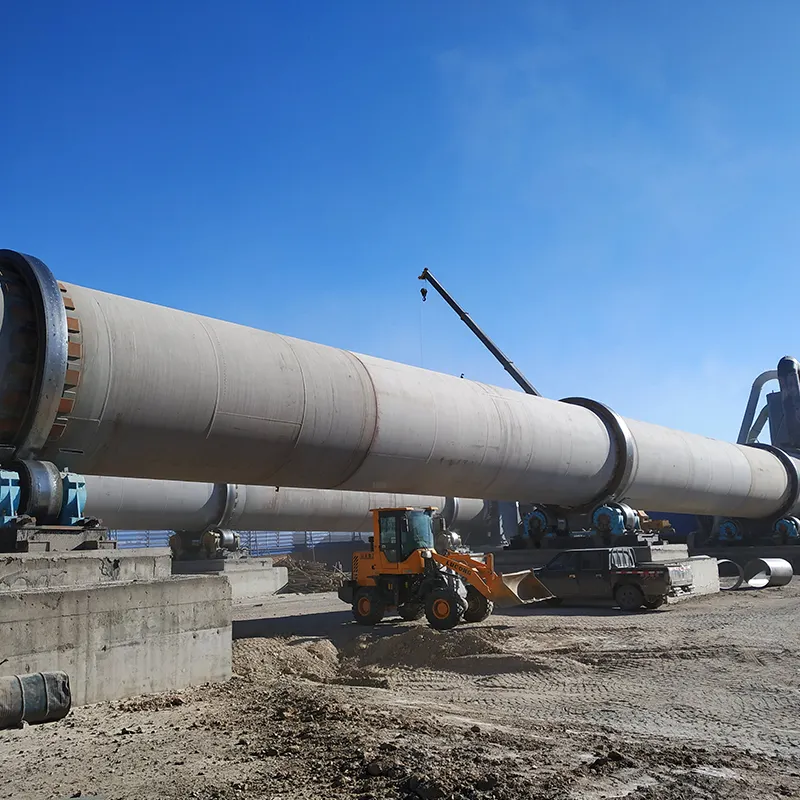
A cement rotary kiln is the single most critical piece of equipment in any cement manufacturing plant. It is the central thermal reactor where raw meal is chemically transformed into clinker at temperatures exceeding 1,400 °C — and its performance directly determines your plant's output capacity, energy consumption, product quality, and long-term profitability.
Selecting the right cement rotary kiln is not a routine procurement decision. It is a strategic investment that will define your plant's competitiveness for the next 25–30 years. A well-chosen kiln system delivers reliable operation, low maintenance costs, and consistent clinker quality. A poorly chosen one can result in chronic downtime, excessive fuel consumption, premature refractory failure, and years of costly remedial work.
This guide is written for cement plant owners, project engineers, EPC contractors, and procurement professionals who are evaluating rotary kiln options for new projects or capacity upgrades. It covers every major selection criterion — from kiln dimensions and preheater configuration to drive systems, environmental compliance, and supplier evaluation — to help you make an informed decision.
1. Define Your Production Requirements First
Before comparing kiln specifications or requesting quotations, you must clearly define your project's production requirements. The answers to the following questions will determine the size, type, and configuration of the kiln system you need:
1.1 Target Clinker Capacity
What is your required daily clinker output? Cement rotary kilns are available across a wide capacity range:
Your target capacity will directly determine the kiln diameter, length, preheater configuration, and cooler size. It is advisable to plan for 10–15% capacity headroom above your immediate requirement to accommodate future demand growth or slightly higher throughput during favorable operating conditions.
1.2 Clinker Quality Requirements
Different end-markets and cement types require different clinker characteristics. If you are producing ordinary Portland cement (OPC), the standard dry-process rotary kiln with a preheater and pre-calciner will serve you well. If you need to produce specialty cements (e.g., low-alkali cement, sulfate-resistant cement, or white cement), the kiln system design may require specific modifications to temperature profiles, retention time, or atmosphere control.
1.3 Raw Material Characteristics
The chemical composition and physical properties of your locally available raw materials — limestone, clay, shale, laterite, iron ore, or bauxite — will influence the kiln's heat balance, required burning zone temperature, and refractory selection. A thorough raw mix design study should be completed before finalizing the kiln specification.
1.4 Fuel Type
What fuel will the kiln burn? The most common options include:
- Pulverized coal — widely used, cost-effective, requires coal grinding and firing equipment
- Natural gas — clean-burning, lower emissions, but subject to supply and price volatility
- Heavy fuel oil — less common today due to cost, but still used in some regions
- Alternative fuels (AF) — refuse-derived fuel (RDF), biomass, used tires, petroleum coke — increasingly important for reducing fuel costs and carbon footprint
Your fuel choice affects the burner design, combustion air requirements, kiln hood configuration, and environmental control systems. If you plan to use alternative fuels, this should be specified at the design stage, as retrofitting a kiln for AF capability is significantly more expensive than incorporating it from the outset.
2. Understand the Main Kiln System Configurations
Modern cement clinker production is almost universally based on the dry process with suspension preheating. However, there are several system configurations to choose from, each with distinct advantages:
2.1 Long Dry Kiln (Legacy Design)
- Raw meal is fed directly into a long rotary kiln (L/D ratio of 30–40) without a preheater.
- Heat consumption is high (typically > 5,000 kcal/kg clinker).
- This design is largely obsolete for new plants due to poor thermal efficiency. It is mentioned here only for reference, as some older plants still operate this configuration.
2.2 Short Dry Kiln with Grate Preheater (Lepol)
- Raw meal is preheated on a traveling grate before entering a shorter rotary kiln.
- Offers better thermal efficiency than the long dry kiln but is less efficient than the cyclone preheater system.
- Suitable for certain special applications (e.g., raw materials with high moisture content).
2.3 Suspension Preheater Kiln (SP Kiln)
- Raw meal is preheated in a series of cyclone stages (typically 4–5 stages) while suspended in the hot exhaust gas stream.
- The preheated meal (typically 800–850 °C) enters the kiln for final calcination and clinkerization.
- Specific heat consumption: 800–850 kcal/kg clinker (approximately 3,350–3,560 kJ/kg).
- Suitable for capacities up to approximately 3,000 TPD.
2.4 Preheater Kiln with Pre-Calciner (NSP Kiln) — The Industry Standard
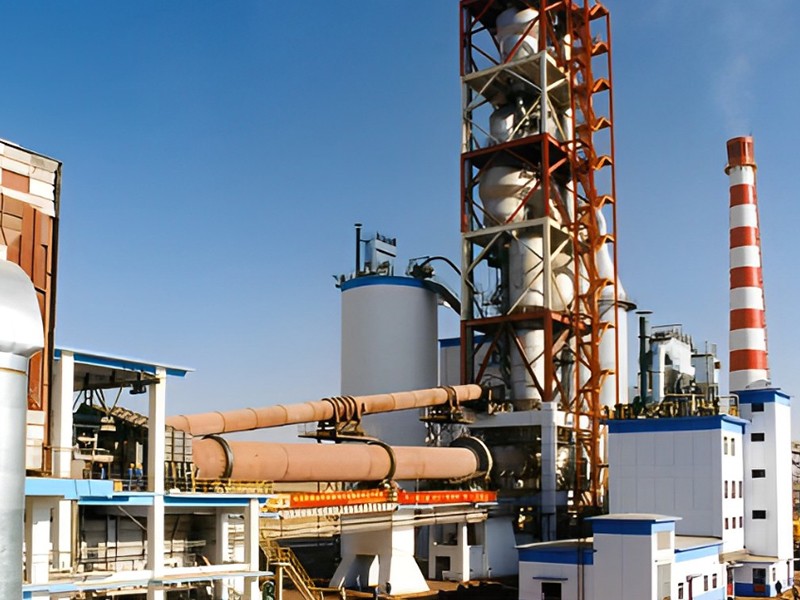
This is the dominant configuration for all modern cement plants above 1,000 TPD capacity:
- In addition to the cyclone preheater, a pre-calciner (calcination furnace) is installed at the base of the preheater tower.
- Approximately 90–95% of the raw meal's calcination (CaCO₃ → CaO + CO₂) is completed in the pre-calciner before the meal enters the rotary kiln.
- This dramatically reduces the thermal and mechanical burden on the rotary kiln itself, allowing shorter kilns, higher capacities, and lower specific heat consumption.
- Specific heat consumption: 700–760 kcal/kg clinker (approximately 2,930–3,180 kJ/kg).
- This is the configuration that Henan Hongke Heavy Industry recommends for virtually all new cement plant projects in the 1,000–10,000+ TPD range.
2.5 Configuration Comparison Summary
3. Key Kiln Dimensions and Specifications
Once you have determined the system configuration (almost certainly an NSP system for a new plant), the next step is to define the rotary kiln's mechanical specifications.
3.1 Kiln Diameter and Length
The kiln's effective diameter and length are determined primarily by the required clinker capacity. Typical NSP kiln dimensions for various capacities:
A lower L/D ratio (enabled by the pre-calciner handling most of the calcination) means a shorter, more compact kiln with lower shell radiation losses and reduced civil foundation costs.
3.2 Kiln Inclination and Speed
- Inclination: Typically 3.5–4.0% (i.e., the kiln slopes downward from the feed end to the discharge end at an angle of approximately 2.0–2.3°).
- Rotational speed: Variable, typically 0.5–4.0 rpm for modern kilns, controlled by a variable-frequency drive (VFD). Normal operating speed for a 5,000 TPD kiln is approximately 3.2–3.8 rpm.
The inclination and speed together determine the material residence time inside the kiln, which must be long enough to complete the clinkerization reactions (typically 20–30 minutes in the burning zone for NSP kilns).
3.3 Shell Thickness and Material
The kiln shell is fabricated from structural carbon steel or low-alloy steel plates (commonly Q235B, Q345B, or ASTM A516 Grade 70 equivalent). Shell thickness varies along the kiln length:
- Preheat zone: 20–25 mm (lower thermal stress)
- Transition zone: 25–32 mm
- Burning zone: 32–50 mm (highest thermal and mechanical stress)
- Discharge end (nose ring area): 40–50 mm
A reputable manufacturer will provide a detailed shell thickness calculation report based on thermal analysis, mechanical stress analysis, and fatigue life assessment. This report is a critical document — insist on reviewing it before placing an order.
3.4 Tire Rings (Riding Rings) and Support Stations
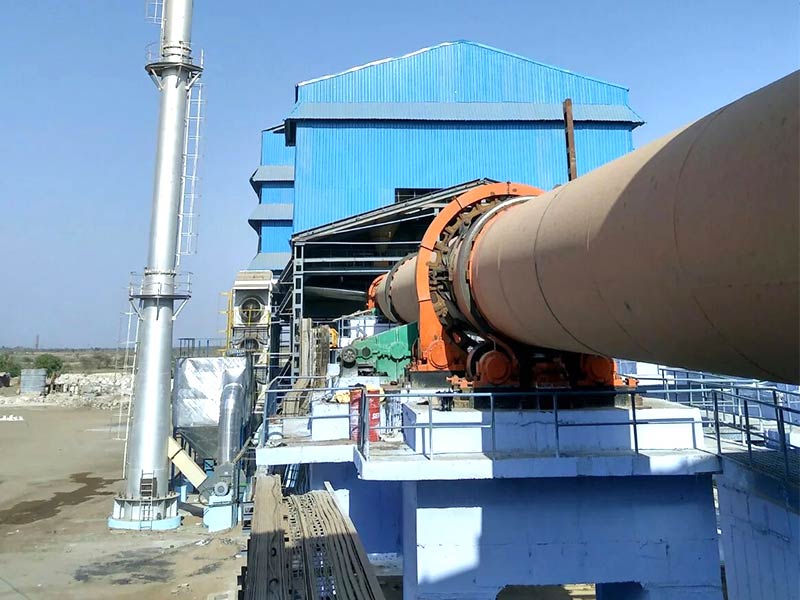
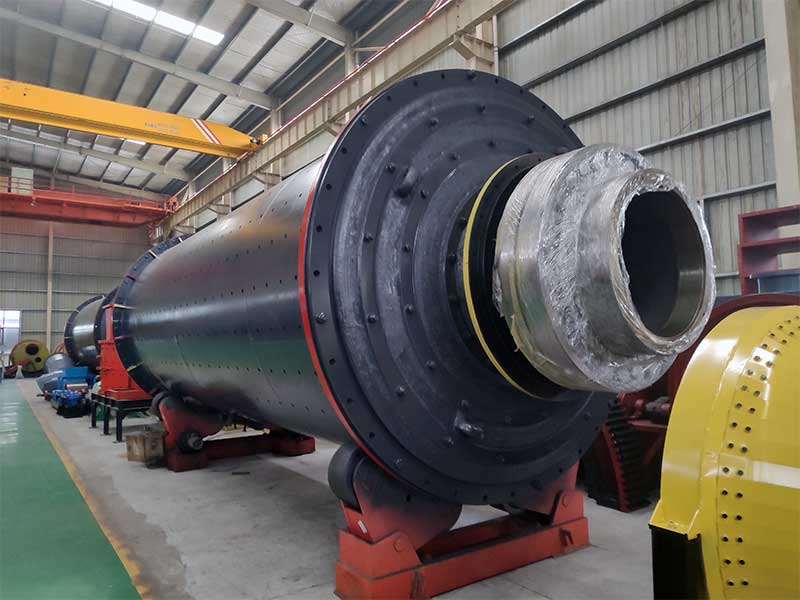
Tire rings are massive forged or cast steel hoops that encircle the kiln shell at each support station. They transfer the weight of the kiln and its contents to the trunnion roller bearings below.
Key selection criteria:
- Number of support stations: Typically 2–4 stations depending on kiln length (e.g., 3 stations for a 72 m kiln).
- Tire material: Forged carbon steel (e.g., ASTM A668 Class D or equivalent) or cast steel, depending on kiln size.
- Mounting method: Floating tires (allowing differential thermal expansion between the tire and the shell) are standard for larger kilns; fixed-mounted tires are used on smaller units.
3.5 Girth Gear and Pinion Drive
The kiln is rotated by a girth gear (a large-diameter ring gear bolted to the kiln shell) driven by one or two pinion shafts connected to motor-reducer units.
Selection considerations:
- Girth gear material: Cast steel, with precision-machined tooth profiles (typically AGMA or ISO quality class 8 or better).
- Single vs. dual-pinion drive: Dual-pinion drives distribute the load across two motors and gearboxes, providing redundancy and smoother operation for kilns above approximately 3,500 TPD.
- Lubrication: Automatic spray lubrication systems for the girth gear and pinion are standard on modern installations.
- Motor type: Squirrel-cage induction motor with variable frequency drive (VFD) for precise speed control, soft starting, and energy savings during reduced-capacity operation.
4. Preheater and Pre-Calciner Selection
The cyclone preheater and pre-calciner are integral parts of the kiln system and must be selected as a matched package with the rotary kiln.
4.1 Number of Preheater Stages
For most projects, a 5-stage preheater offers the best balance between investment cost and operating efficiency. A 6-stage preheater may be justified for very large kilns (5,000+ TPD) or in regions with high fuel costs.
4.2 Pre-Calciner Type
Several pre-calciner designs are available from different engineering licensors. The most common types include:
- In-line calciner (ILC): The pre-calciner is integrated into the kiln riser duct. All kiln exhaust gas passes through the calciner. Simple design, widely proven.
- Separate-line calciner (SLC): The pre-calciner has its own separate combustion chamber with independently controlled tertiary air. Offers greater fuel flexibility (especially for alternative fuels) and operational independence.
- Separate-line calciner with preheater exhaust (SLC-D): A variation of the SLC where part of the preheater exhaust gas is routed through the calciner.
The choice of pre-calciner type depends on your fuel strategy, capacity requirements, and the engineering licensor's technology portfolio. Discuss these options in detail with your kiln supplier's process engineering team.
5. Clinker Cooler Selection
The clinker cooler is an essential part of the kiln system. Its function is to:
- 1.Rapidly cool the hot clinker (from ~1,400 °C to below 100 °C) to preserve clinker mineralogy and grindability.
- 2.Recover thermal energy from the clinker and return it to the kiln and pre-calciner as hot combustion air (tertiary air and secondary air).
5.1 Cooler Types
For new plants, a modern reciprocating grate cooler is the standard recommendation. It offers the best combination of cooling efficiency, heat recovery, and operational reliability.
5.2 Key Cooler Specifications
- Cooling air volume: Typically 2.0–2.5 Nm³/kg clinker
- Discharge clinker temperature: 65 °C above ambient (guaranteed value)
- Grate plate material: Heat-resistant alloy cast iron or cast steel
- Fans: Multiple high-pressure cooling fans with VFD control for each zone
6. Refractory Lining Selection
The refractory lining is one of the most critical — and most frequently replaced — components of the kiln system. Proper refractory selection directly affects kiln availability, heat loss, and operating cost.
6.1 Refractory Zones
6.2 Refractory Life Expectations
A well-selected and properly installed refractory lining should achieve the following campaign lives:
- Burning zone: 8–14 months (depending on kiln diameter, fuel type, and operational discipline)
- Transition zone: 12–24 months
- Upper preheat zone: 24–36 months
- Preheater and cooler castables: 36–60 months
When evaluating a kiln supplier's proposal, ask specifically about refractory recommendations and expected life for your specific raw material chemistry and fuel type. A supplier that simply provides generic refractory specifications without considering your raw mix alkali content, sulfur input, or chlorine levels is not giving you a complete solution.
7. Automation and Process Control
A modern cement rotary kiln system requires a sophisticated automation platform to achieve stable operation, consistent clinker quality, and minimum fuel consumption.
7.1 Essential Automation Systems
Your kiln system should include, at minimum:
- DCS (Distributed Control System): The central nervous system of the plant, providing centralized monitoring and control of all process variables — temperatures, pressures, flows, speeds, and material levels.
- Kiln shell temperature scanner: An infrared line-scanning system mounted on the kiln shell that continuously monitors surface temperature around the entire circumference, detecting hot spots that indicate refrailure failure before a catastrophic shell overheat occurs.
- Burning zone temperature measurement: A combination of infrared pyrometers and/or TV camera systems for real-time monitoring of the clinkerization zone.
- Continuous emissions monitoring (CEMS): For compliance with environmental regulations — measuring NOx, SO₂, CO, dust, and (where applicable) CO₂ in the stack gas.
- Expert control / advanced process control (APC): Optional but highly recommended — model-predictive control algorithms that automatically adjust kiln speed, fuel rate, and fan speeds to maintain optimal operation with minimum operator intervention.
7.2 Questions to Ask Your Supplier
- Is the DCS system an internationally recognized brand (e.g., ABB, Siemens, Honeywell, Schneider), or a local proprietary system?
- What level of automation is included in the base scope vs. optional extras?
- Is remote monitoring and diagnostic support available?
- What operator training is included in the project scope?
8. Energy Efficiency and Environmental Compliance
Energy and environmental performance are no longer optional considerations — they are central to project viability in most markets.
8.1 Key Energy Performance Indicators
8.2 Environmental Systems to Include
Your kiln project should incorporate the following environmental systems from the design stage:
- High-efficiency bag filter or electrostatic precipitator (ESP) for kiln exhaust gas dedusting — target emissions ≤ 20–30 mg/Nm³
- Selective non-catalytic reduction (SNCR) system for NOx control — using urea or ammonia solution injection into the preheater tower
- Flue gas desulfurization (FGD) if raw materials or fuel have high sulfur content
- Alternative fuel handling and feeding system to reduce fossil fuel consumption and CO₂ emissions
- Waste heat recovery (WHR) system — using kiln exhaust heat to generate electricity (typically 6–12 MW for a 5,000 TPD plant), significantly reducing your electricity purchase costs
8.3 Regulatory Compliance
Environmental regulations vary by country and region. Ensure that your kiln supplier's process guarantee values for stack emissions (dust, SO₂, NOx, heavy metals) meet the requirements of your specific operating jurisdiction. Request a written emissions guarantee as part of the contract.
9. Supplier Evaluation: How to Choose the Right Kiln Manufacturer
Choosing the right equipment supplier is just as important as choosing the right kiln specifications. The following criteria should guide your evaluation:
9.1 Manufacturing Capability
- Does the manufacturer fabricate critical components in-house (kiln shell, girth gear, support stations), or does it subcontract these to third-party workshops?
- What is the size of the manufacturing facility, and what heavy equipment (plate rolling machines, CNC boring mills, large-capacity cranes, welding positioners) is available?
- Can the manufacturer provide evidence of dimensional inspection reports and material test certificates for previous kiln deliveries?
9.2 Track Record and References
- How many rotary kilns of similar size has the manufacturer delivered and commissioned?
- Can the manufacturer provide verifiable reference contacts — existing clients you can speak with directly about their experience?
- What is the operational track record of the manufacturer's kilns in your geographic region or a similar climate?
9.3 Engineering and Process Design Capability
- Does the manufacturer have an in-house process engineering team capable of developing a complete kiln system design (preheater, kiln, cooler, fuel firing, and environmental systems), or does it rely on external licensors?
- Can the manufacturer provide a detailed heat and mass balance, process flow diagram, and equipment layout drawing before contract signing?
9.4 Quality Assurance and Certifications
- Is the manufacturer's quality management system certified to ISO 9001?
- Does the manufacturer have relevant product certifications for your target market (e.g., CE marking for Europe, GOST for Russia/CIS, ASME for the Americas)?
- What non-destructive testing (NDT) procedures are applied to critical welds and castings?
9.5 Project Management and Installation Support
- Does the manufacturer offer turnkey project delivery (design, manufacture, ship, install, commission, train)?
- What level of on-site installation supervision and commissioning support is provided?
- Is there a dedicated project manager assigned to your project?
9.6 After-Sales Service and Spare Parts
- What is the manufacturer's warranty policy?
- Does the manufacturer maintain a spare parts inventory for the equipment supplied?
- What is the response time for technical support (remote and on-site)?
- Can the manufacturer provide a long-term service agreement (LTSA) covering preventive maintenance, refractory supply, and performance audits?
10. Common Mistakes to Avoid
Based on decades of industry experience, here are the most common mistakes buyers make when purchasing a cement rotary kiln — and how to avoid them:
Mistake 1: Choosing on price alone.The lowest-priced kiln is rarely the lowest-cost kiln over its lifetime. Cheap equipment often means thinner shell plates, lower-grade castings, substandard welding, and no engineering margin — all of which lead to higher maintenance costs and shorter service life.
Mistake 2: Neglecting the preheater and cooler.The rotary kiln does not work in isolation. An undersized or poorly designed preheater, pre-calciner, or cooler will bottleneck the entire system regardless of how well the kiln itself is built.
Mistake 3: Ignoring refractory engineering.Refractory failure is the number one cause of unplanned kiln shutdowns. Insist on a detailed refractory specification from your supplier — not a generic catalog recommendation — tailored to your raw materials and fuel.
Mistake 4: Underestimating installation and commissioning complexity.A kiln is not a plug-and-play machine. Proper alignment, shell ovality control, girth gear meshing, and refractory curing require experienced supervision. Budget for professional installation support.
Mistake 5: Skipping the reference check.Always visit or contact at least one existing user of the manufacturer's kilns before signing a contract. Online presentations and brochures are marketing documents; operating performance in the field is the only reliable measure.
Mistake 6: Not planning for alternative fuels.Even if you plan to use 100% coal today, design the kiln system with the flexibility to incorporate alternative fuels in the future. Retrofitting AF capability later is far more expensive than incorporating it from the start.
11. A Step-by-Step Procurement Roadmap
To summarize, here is a recommended step-by-step approach to purchasing your cement rotary kiln:
Why Choose Henan Hongke Heavy Industry?
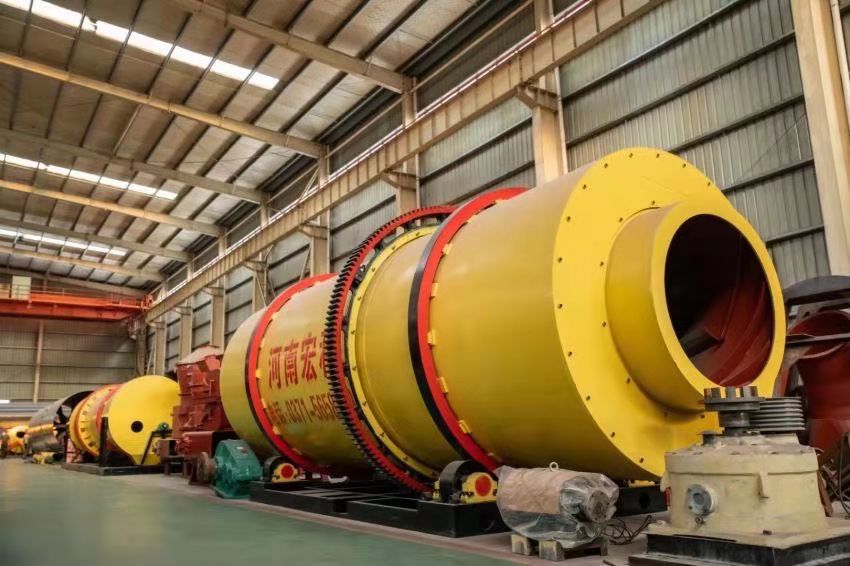
At Henan Hongke Heavy Industry Machinery Equipment Co., Ltd., we have been designing and manufacturing rotary kiln systems for cement, lime, and metallurgical applications for many years. Our facility in Henan Province — the heart of China's heavy machinery manufacturing region — enables us to offer:
- Complete in-house manufacturing of all major rotary kiln components: shell fabrication, girth gear casting and machining, support station assembly, and drive system integration.
- Experienced process engineering tailored to your specific raw materials, fuel, and capacity requirements.
- Turnkey project delivery from concept design through commissioning and operator training.
- Competitive pricing backed by Henan's mature industrial supply chain and our vertically integrated production.
- Responsive global after-sales support, with dedicated service engineers and spare parts availability.
We invite you to contact our international business team to discuss your cement rotary kiln project. Whether you are building a new plant from scratch or upgrading an existing line, we are ready to provide you with a tailored technical proposal and competitive quotation.