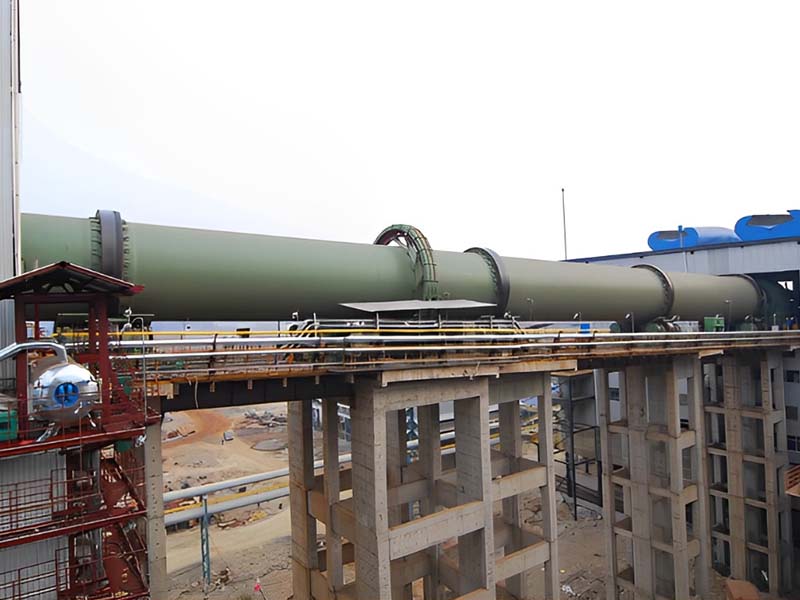
Sand Drying Production Line
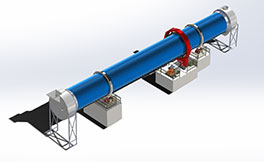
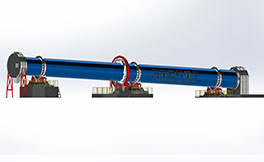
Henan Hongke Heavy Machinery Co., Ltd. provides sand drying production line solutions featuring rotary dryers for reducing moisture in silica sand, river sand, quartz sand, and other suitable sand materials. Plant configuration is customized according to raw material properties, initial moisture content, required output, final moisture content, and site conditions.
Overview of the Sand Drying Production Line
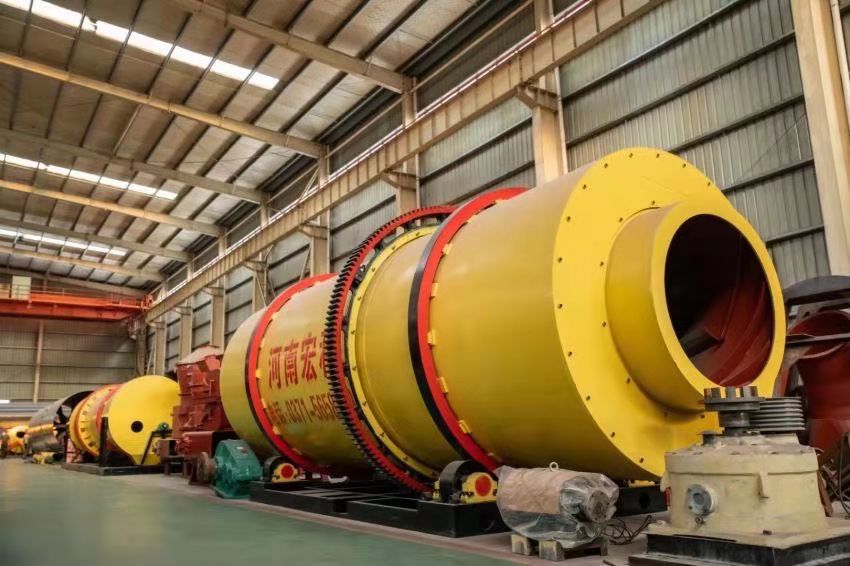
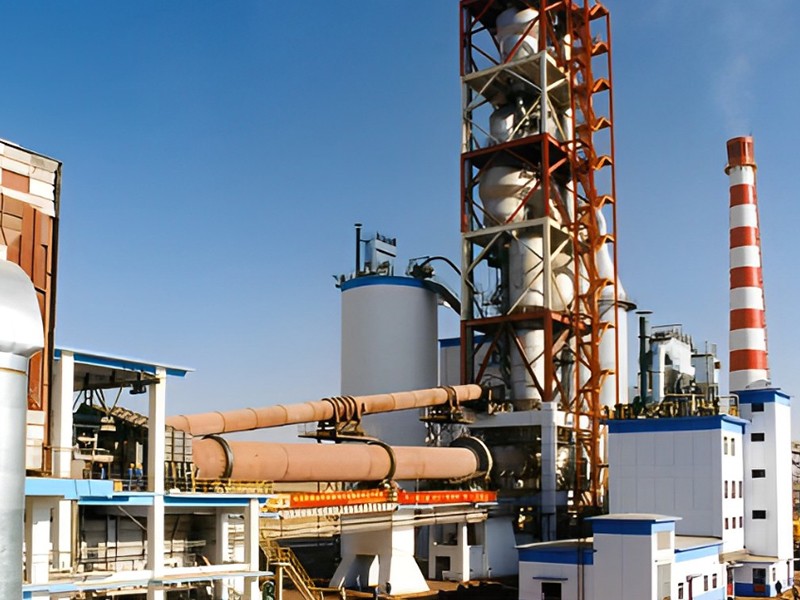
A sand drying production line is an industrial system designed to remove excess moisture from sand and prepare it for storage, transportation, or downstream manufacturing. A typical line consists of a feeding system, rotary dryer, heat source, conveying equipment, and dust collection system.
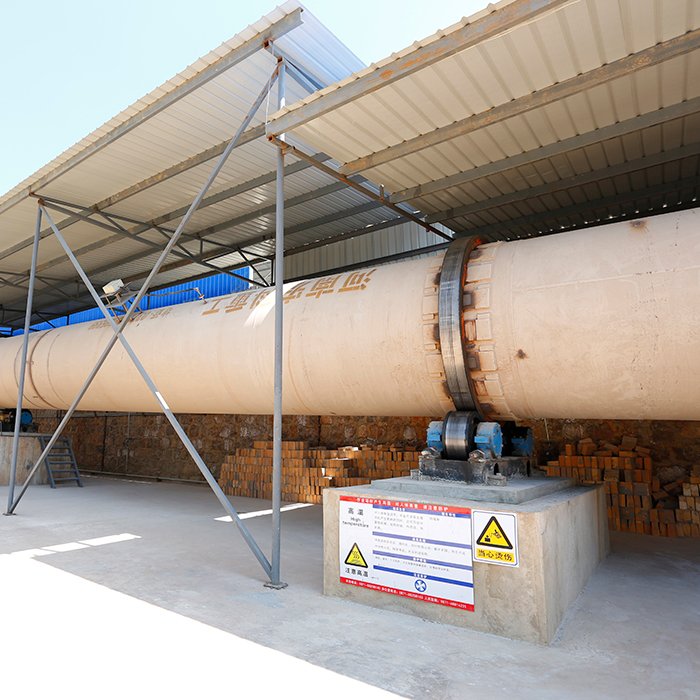
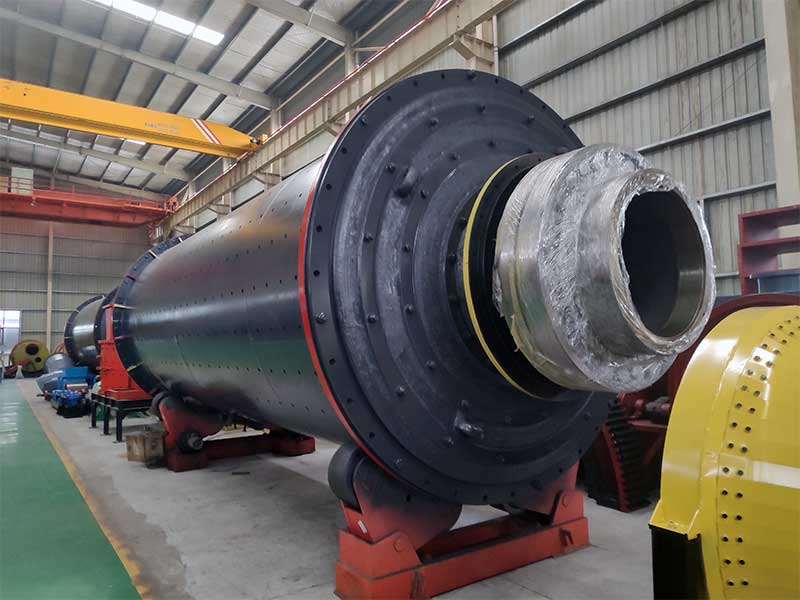
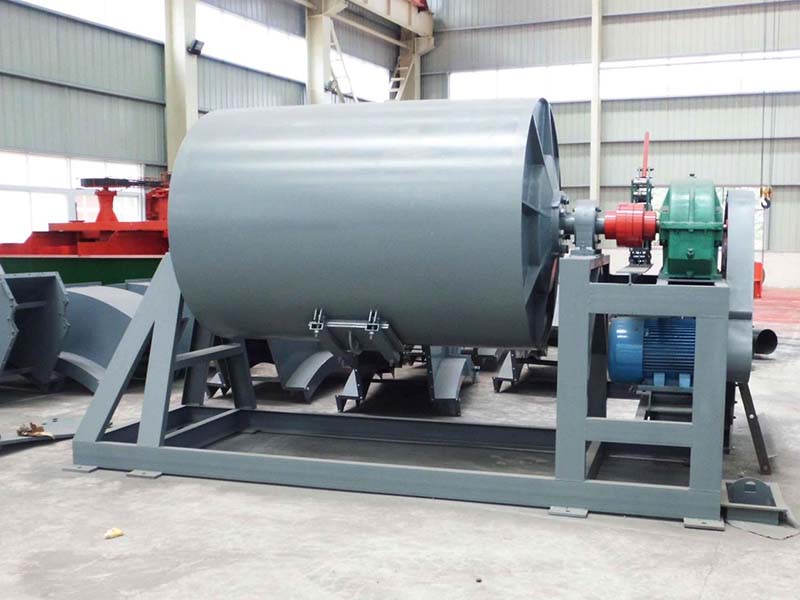
Henan Hongke Heavy Machinery Co., Ltd. specializes in mining machinery and integrated production line solutions, including rotary kilns, rotary dryers, ball mills, crushers, and related equipment. For sand drying applications, the equipment configuration is selected according to the material type, feed moisture, particle size, required drying capacity, and final product specifications.
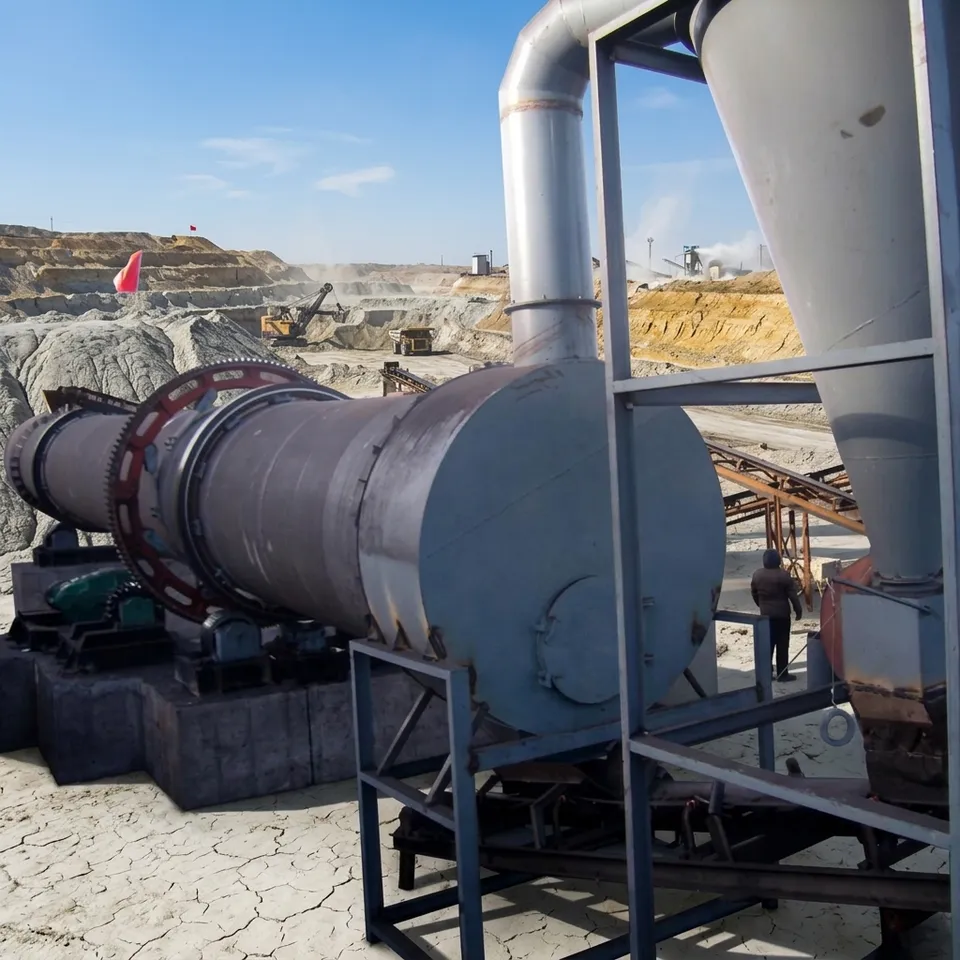
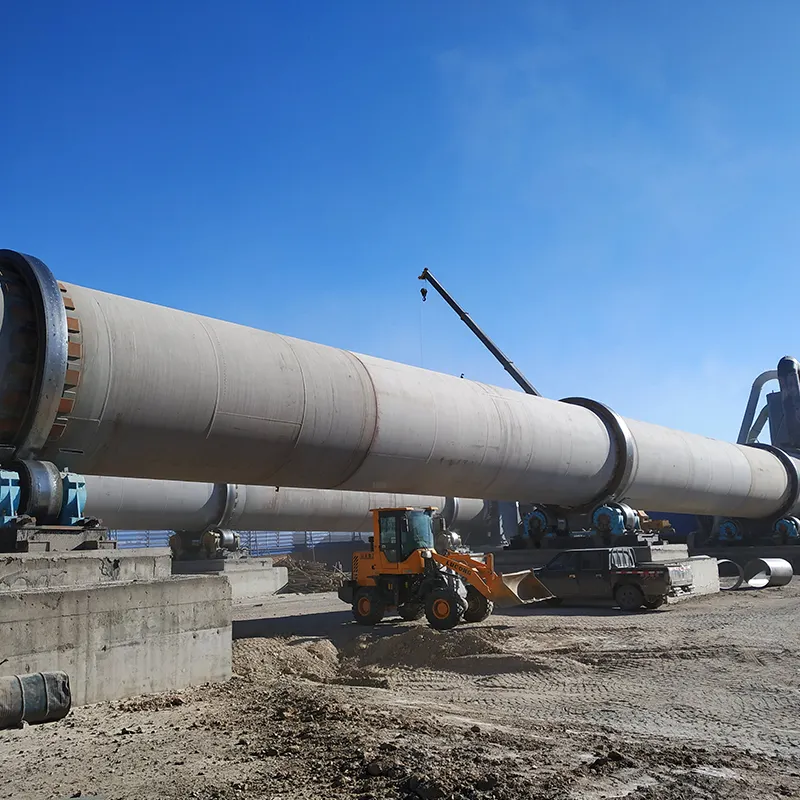
Depending on the application, the production line can be configured for silica sand, river sand, quartz sand, construction sand, and other suitable granular materials. The rotary dryer transfers heat to the material to evaporate moisture, while the conveying and dust collection systems support material handling and process dust control.
A properly designed sand drying plant helps users achieve more consistent moisture levels for downstream processing. Actual throughput, energy consumption, and final moisture content depend on the raw material, operating conditions, dryer design, and heat source.
Sand Drying Production Process
A typical rotary dryer sand production line includes material feeding, thermal drying, product discharge, dust collection, and finished sand conveying. The exact process flow depends on the project requirements.
-
1. Raw Sand Feeding
Wet sand is delivered to a receiving hopper and transferred to the dryer through a suitable feeding system. A feeder can be selected to maintain a stable material supply.
-
2. Screening and Pretreatment
When required, screening removes oversized particles and unwanted materials. Additional crushing or screening may be included if the incoming material does not meet the specified feed requirements.
-
3. Rotary Dryer Feeding
The prepared sand enters the rotary dryer. Material feed rate and distribution are controlled according to the dryer design and required processing capacity.
-
4. Sand Drying
Heat is supplied by a suitable burner or other compatible heat source. As the rotary dryer operates, the sand moves through the drying system and exchanges heat with the drying medium, allowing moisture to evaporate.
-
5. Dust Collection and Exhaust Treatment
Exhaust gas containing moisture and entrained dust is directed to a suitable dust collection system. Cyclones, bag filters, or other compatible equipment can be selected according to process conditions and applicable regulations.
-
6. Dried Sand Discharge and Conveying
The dried sand is discharged and transferred by suitable conveying equipment to a storage bin, silo, screening system, or downstream production process.
-
7. Storage or Further Processing
Depending on the final application, the dried sand can be stored, screened into different particle-size fractions, or supplied to a downstream manufacturing process.
The actual process flow may be adjusted according to the incoming sand condition, required product moisture, heat source, dust control requirements, and plant layout.
Main Equipment in a Sand Drying Production Line
A complete sand drying plant integrates drying equipment, material feeding, heat supply, conveying, and dust collection. The following equipment may be included according to the production requirements.
-
Feeding Hopper: Receives wet sand and provides a suitable interface for the feeding system.
-
Feeder: Controls the feed rate and transfers sand into the dryer.
-
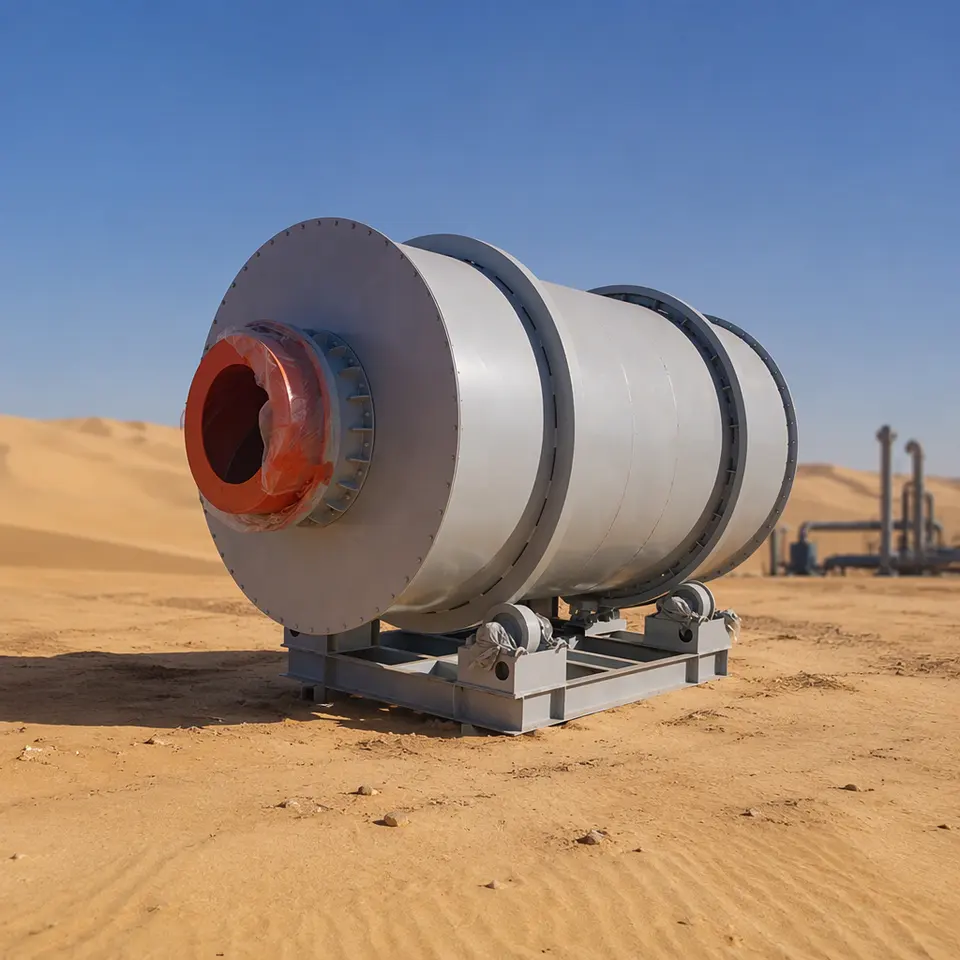
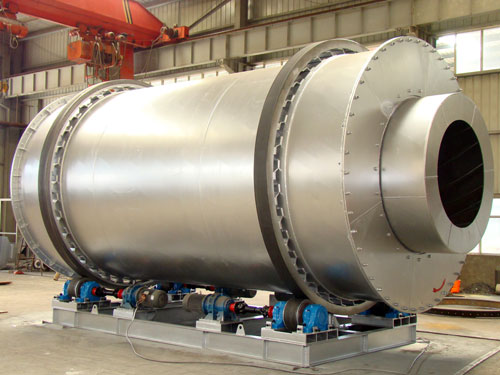
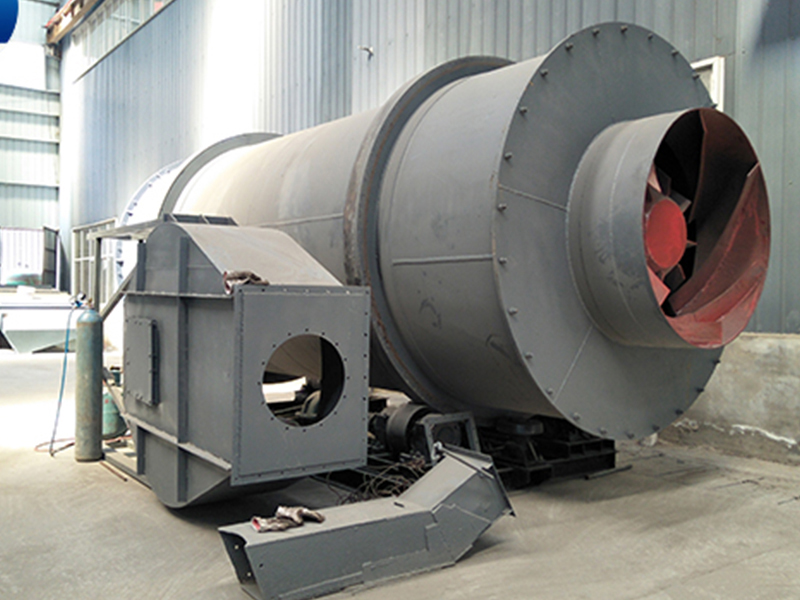
Rotary Dryer: Provides the main drying process by transferring heat to the sand and evaporating moisture.
-
Burner or Heat Source: Supplies the thermal energy required for drying. Selection depends on fuel availability and process design.
-
Conveying System: Transfers wet sand and dried sand between processing stages and storage facilities.
-
Dust Collection System: Collects entrained particles from designated process exhaust points.
-
Screening Equipment: Separates dried sand into specified size fractions when required by the application.
-
Electrical Control System: Coordinates equipment operation and provides suitable operating controls according to the selected configuration.
Key Features of the Sand Drying Production Line
Customized Drying Capacity
The production line can be configured according to the required throughput, initial moisture content, final moisture target, sand characteristics, and available heat source. Capacity should be established through project-specific calculations and technical verification.
Continuous Rotary Drying
A rotary dryer is designed for continuous material processing. Its rotating drum and internal material-handling arrangement support the movement of sand through the drying process. Actual drying performance depends on dryer dimensions, operating conditions, and material properties.
Flexible Material Applications
Depending on the equipment configuration, the line can process silica sand, river sand, quartz sand, construction sand, and other compatible granular materials. Material testing may be required for sands with unusual moisture, particle-size distribution, or chemical characteristics.
Integrated Material Handling
Feeding, drying, conveying, and optional screening equipment can be coordinated as one production system. Equipment arrangement is determined by the required process flow, available site area, and downstream production requirements.
Dust Collection Options
Suitable dust collection equipment can be incorporated to manage entrained sand particles in the exhaust stream. The selection of a cyclone, bag filter, or other equipment depends on dust characteristics, gas conditions, and applicable environmental requirements.
Project-Specific Equipment Configuration
Henan Hongke Heavy Machinery Co., Ltd. provides mining machinery and associated production line solutions. The equipment list, technical scope, installation guidance, and other project services should be confirmed in the technical proposal for each order.
Sand Drying Production Line Technical Specifications
The following table provides preliminary selection information for a rotary dryer sand production line. Final specifications must be determined according to raw material conditions, required throughput, heat source, and the approved equipment configuration.
|
Parameter
|
Specification
|
|
Production Line Type
|
Rotary Dryer Sand Drying Production Line
|
|
Model
|
Customized according to project requirements
|
|
Reference Capacity Range
|
10–200 metric tons per hour (TPH), subject to verification
|
|
Raw Materials
|
Silica Sand, River Sand, Quartz Sand, Construction Sand, and other suitable granular materials
|
|
Main Equipment
|
Rotary Dryer, Feeding System, Burner or Heat Source, Conveying Equipment, and Dust Collector
|
|
Drying Method
|
Rotary Drum Thermal Drying
|
|
Feed Moisture Content
|
To be determined from actual raw material conditions
|
|
Final Moisture Content
|
Specified according to the customer's process requirements
|
|
Feed Particle Size
|
Determined by material characteristics and dryer design
|
|
Heat Source
|
Selected according to available fuel, dryer design, and project requirements
|
|
Installed Power
|
Confirmed according to the final equipment configuration
|
|
Dust Collection
|
Cyclone, bag filter, or other suitable equipment according to process requirements
|
|
Plant Layout
|
Designed according to site conditions and process flow
|
|
Control System
|
Selected according to project automation requirements
|
Technical note: The capacity range above is illustrative and must be verified against Henan Hongke's actual product range before publication. Wet-feed throughput and dried-product throughput are not interchangeable. Drying capacity depends on initial moisture content, target final moisture, material properties, heat input, and operating conditions. Specific fuel consumption, installed power, drum dimensions, and guaranteed performance must be confirmed in the technical proposal.
Applications of the Sand Drying Production Line
Dried sand is used in many industrial processes. The required moisture content and particle-size distribution depend on the intended application and the customer's product specifications.
-
Construction Materials: Drying sand used in selected construction material manufacturing processes.
-
Dry-Mix Mortar: Preparing sand with controlled moisture for compatible dry-mix mortar production lines.
-
Glass Manufacturing: Preparing suitable silica sand for downstream processing, subject to the required chemical purity and particle size.
-
Foundry Industry: Drying suitable foundry sand for molding and related manufacturing processes.
-
Sand Processing Plants: Reducing moisture before screening, storage, packaging, or further processing.
-
Mineral Processing: Drying compatible granular mineral materials where moisture control is required by the process.
How to Select a Suitable Sand Drying Production Line
Selecting a suitable sand drying plant requires an assessment of both material conditions and production requirements. The following information helps determine the appropriate dryer model and auxiliary equipment.
-
Required Capacity: Specify the required hourly or daily output and clarify whether the figure refers to wet feed or dried product.
-
Initial Moisture Content: Provide the moisture content of the incoming sand, preferably based on representative material testing.
-
Target Final Moisture: Define the acceptable moisture content after drying according to downstream processing requirements.
-
Material Type and Particle Size: Identify whether the feed is silica sand, river sand, quartz sand, or another material, and provide its particle-size distribution.
-
Heat Source: Specify available fuels, local energy costs, and relevant combustion or environmental requirements.
-
Site Conditions: Provide the project location, available installation area, existing facilities, and material handling needs.
-
Dust Control Requirements: Identify applicable environmental regulations and required dust collection arrangements.
-
Downstream Process: Explain whether the dried sand will be screened, stored, packaged, or fed directly into another production line.
About Henan Hongke Heavy Machinery Co., Ltd.
Henan Hongke Heavy Machinery Co., Ltd. focuses on one-stop solutions for mining machinery, including rotary kilns, rotary dryers, ball mills, crushers, and corresponding production lines.
For sand drying projects, equipment selection should be based on material type, feed moisture, target final moisture, required throughput, heat source, and site conditions. A project-specific technical proposal can define the rotary dryer, feeding and conveying systems, heat supply, dust collection equipment, and other required components.
Frequently Asked Questions About Sand Drying Production Lines
1. What is a sand drying production line?
A sand drying production line is an integrated system that reduces moisture in sand through thermal drying. A typical rotary dryer line includes feeding equipment, a rotary dryer, a heat source, conveying equipment, and a dust collection system.
2. What types of sand can a rotary dryer process?
Depending on the equipment configuration, a rotary dryer can process suitable silica sand, river sand, quartz sand, construction sand, and other compatible granular materials. Final suitability depends on particle size, moisture, material characteristics, and the required product quality.
3. What is the capacity of a sand drying machine?
Capacity depends on dryer dimensions, feed moisture, target final moisture, sand properties, heat input, and operating conditions. A meaningful capacity estimate must also clarify whether the stated throughput refers to wet feed or dried product.
4. What is the final moisture content of dried sand?
The final moisture content depends on the customer's application and the dryer configuration. The target should be specified before equipment selection and confirmed through technical calculations or appropriate performance testing.
5. What equipment is required for a sand drying plant?
Typical equipment includes a feeding hopper, feeder, rotary dryer, burner or heat source, conveying system, and dust collector. Screening equipment, storage bins, and other auxiliary equipment can be added when required.
6. How can sand drying energy consumption be estimated?
Energy consumption depends primarily on the amount of moisture to be evaporated, incoming material temperature, heat losses, dryer efficiency, exhaust conditions, and fuel properties. The estimate should be based on the actual feed and target product conditions.
7. Can a sand drying production line be customized?
Yes. The equipment configuration can be planned according to the required throughput, sand type, initial moisture, final moisture, heat source, site layout, and downstream process requirements. The final scope should be confirmed in the technical proposal.
8. What information is needed for a sand dryer quotation?
Provide the sand type, hourly or daily capacity, initial moisture content, target final moisture, particle size, available fuel, project location, and any specific environmental requirements. Photos or a representative material sample can also help with preliminary assessment.
Request a Sand Drying Production Line Proposal
Planning a new sand drying plant or upgrading an existing drying system? Contact Henan Hongke Heavy Machinery Co., Ltd. with your material type, required capacity, initial moisture, target final moisture, particle size, fuel type, and project location.
These details help establish a suitable rotary dryer configuration and identify the auxiliary equipment required for your sand drying production line.
Recommended inquiry details: Sand type, hourly capacity, initial and final moisture content, particle size, heat source, project location, and preferred delivery schedule.