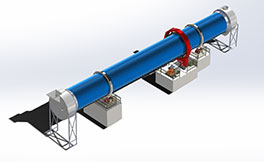
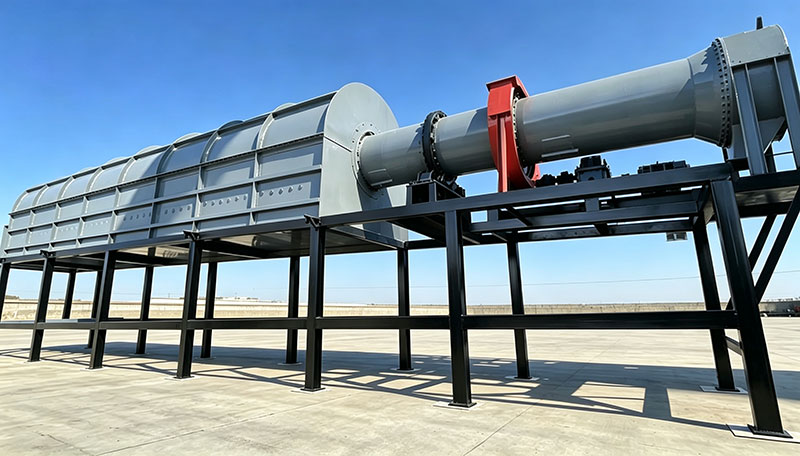
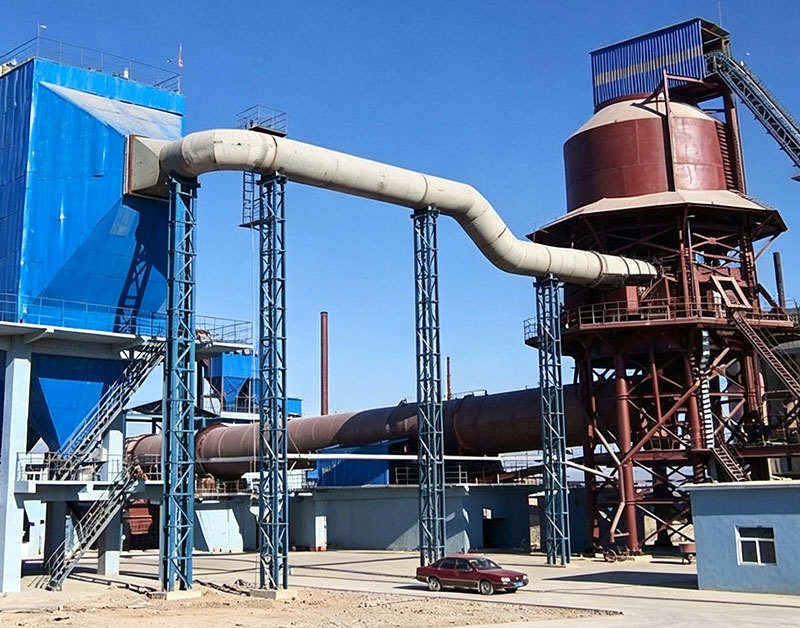
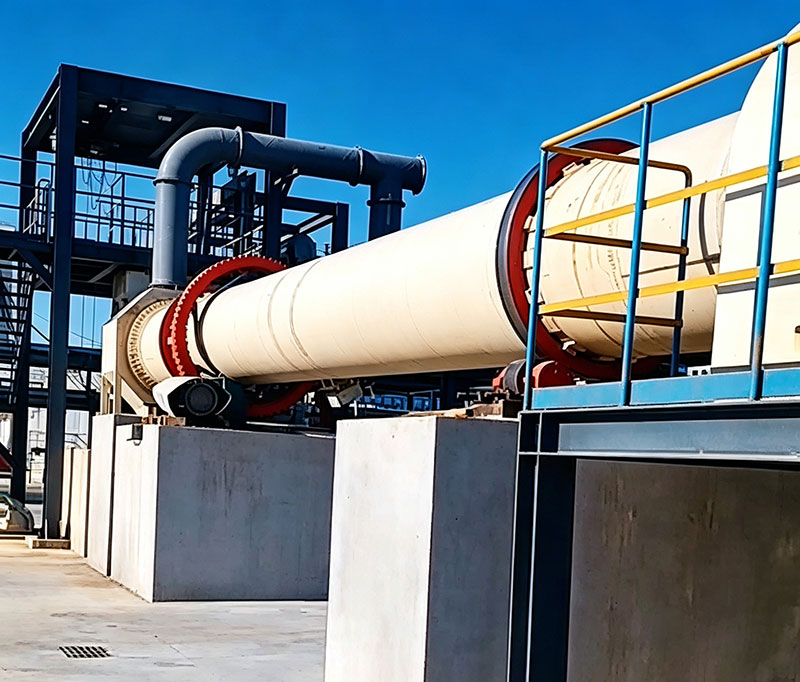
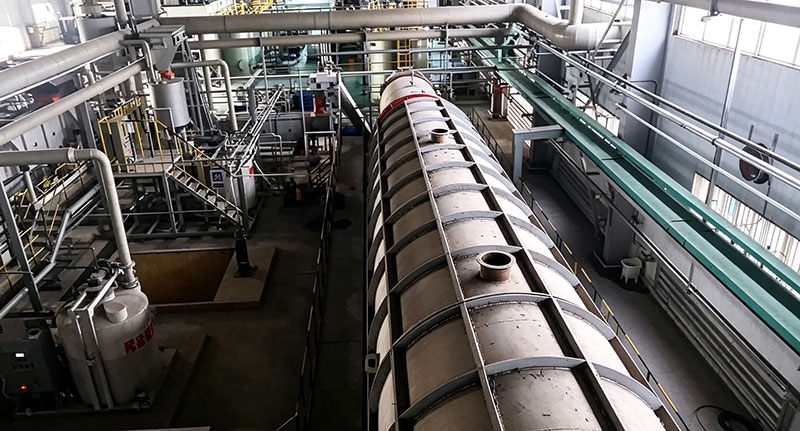
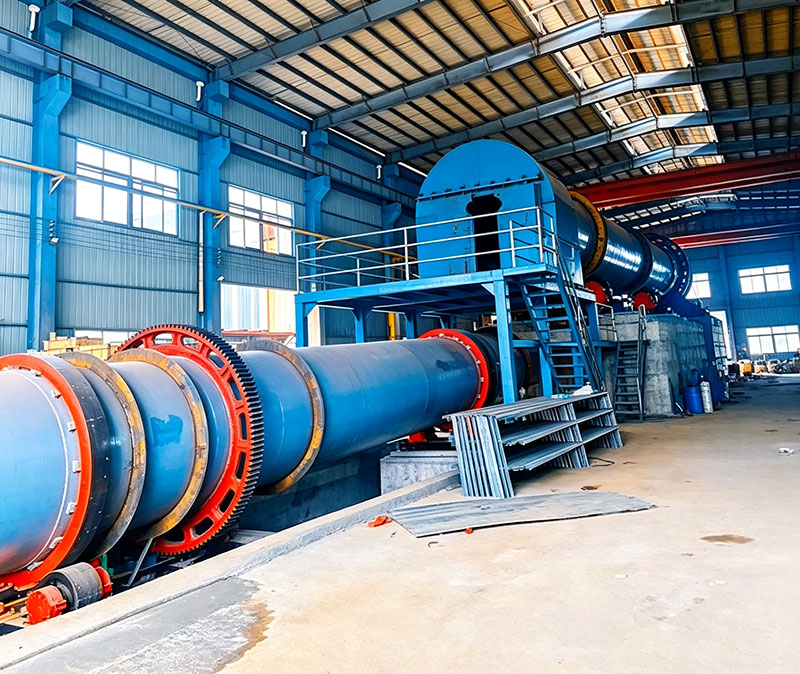
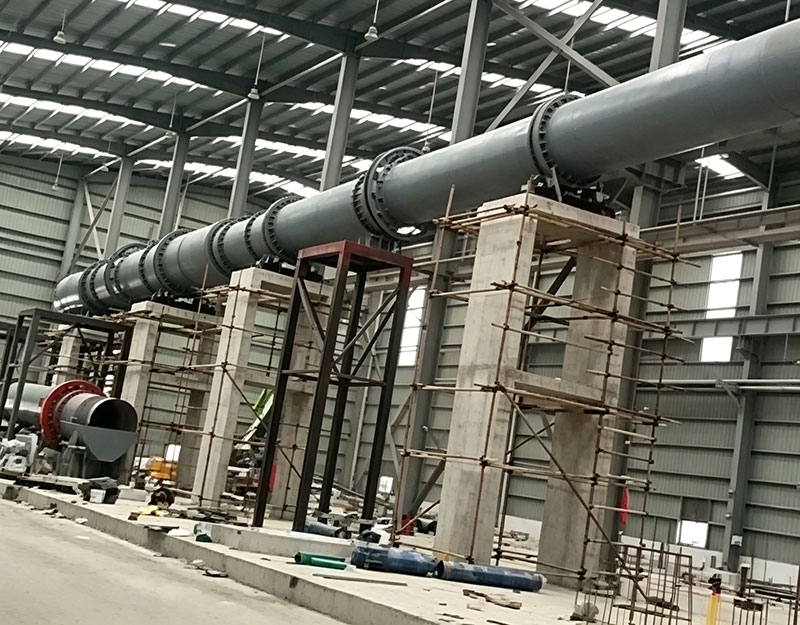
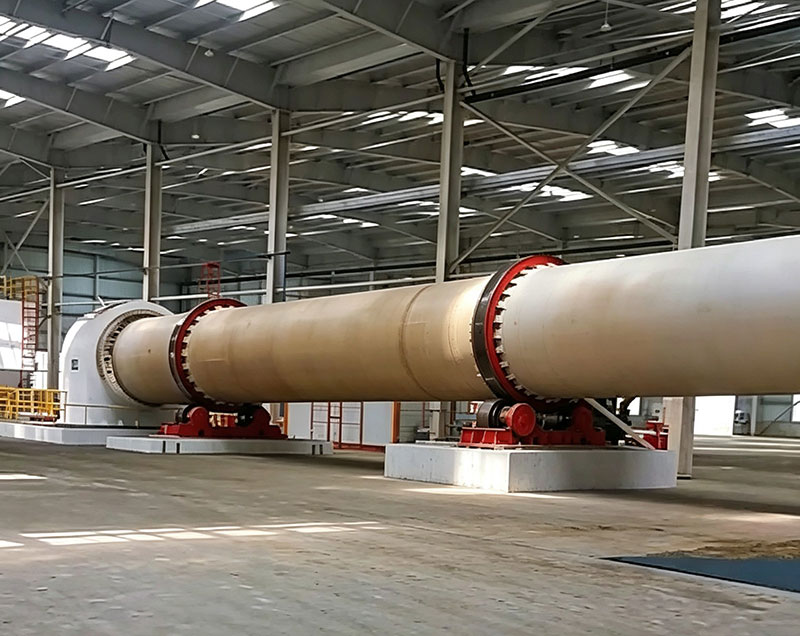
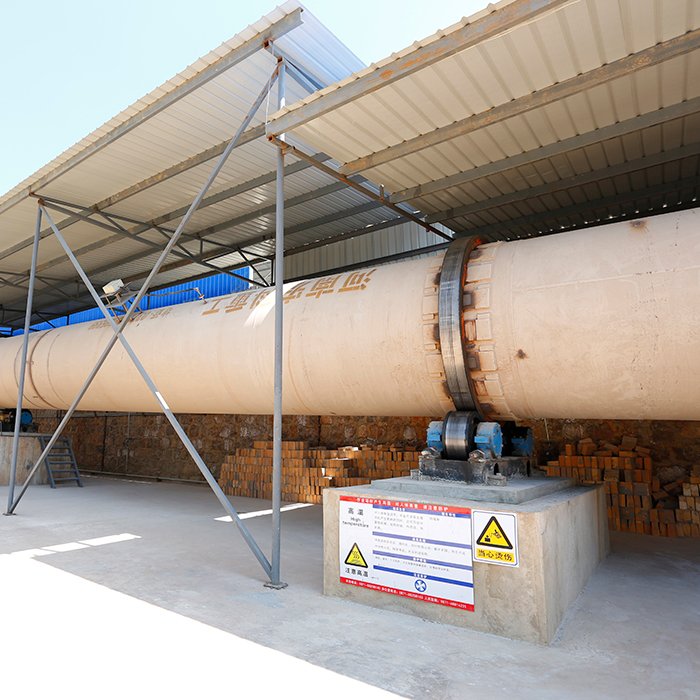
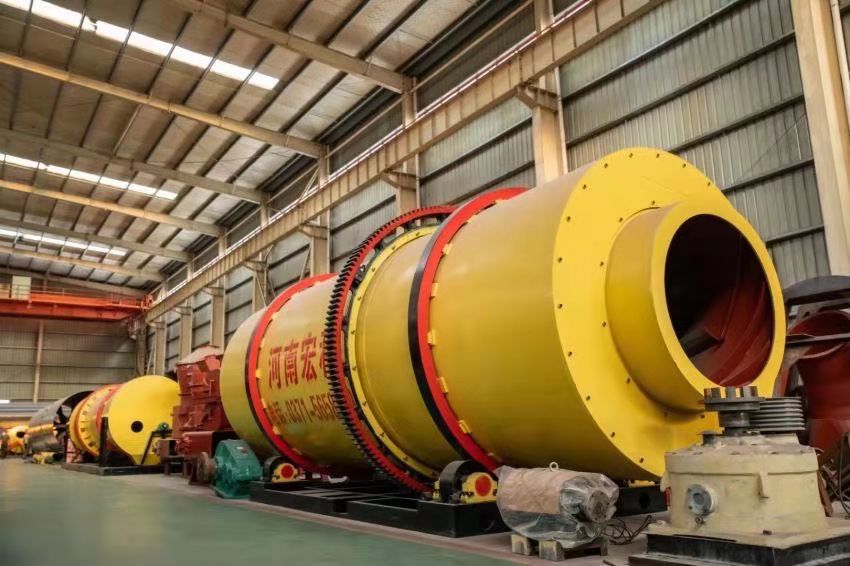
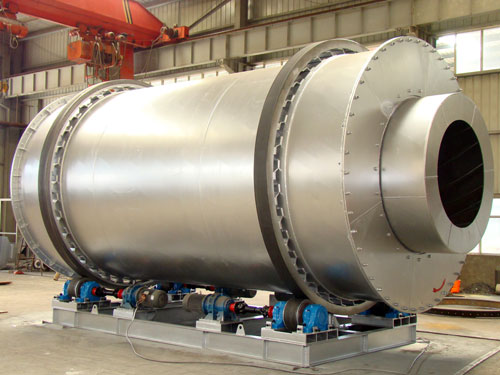
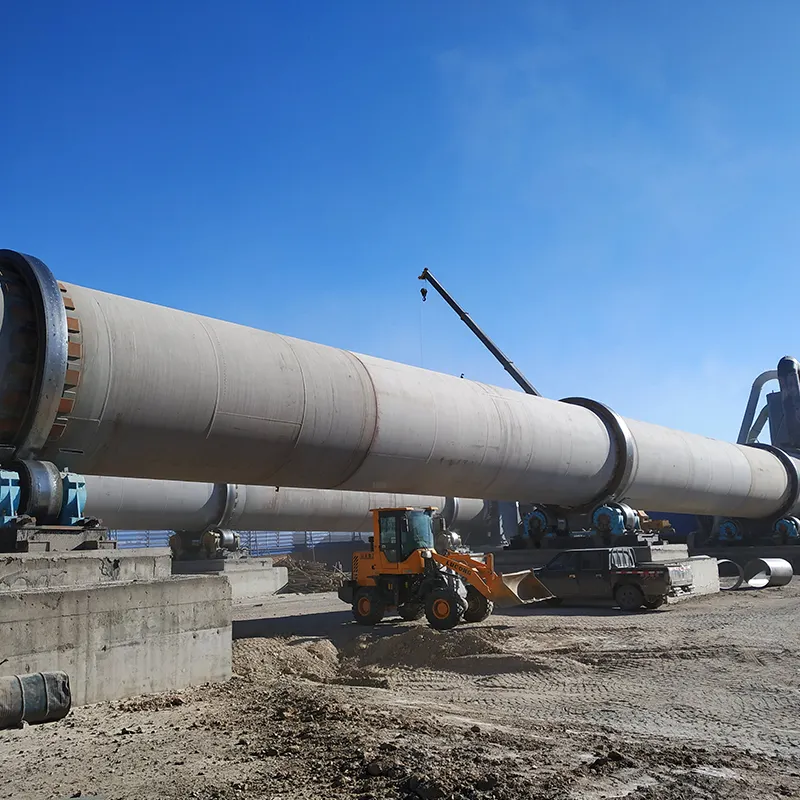
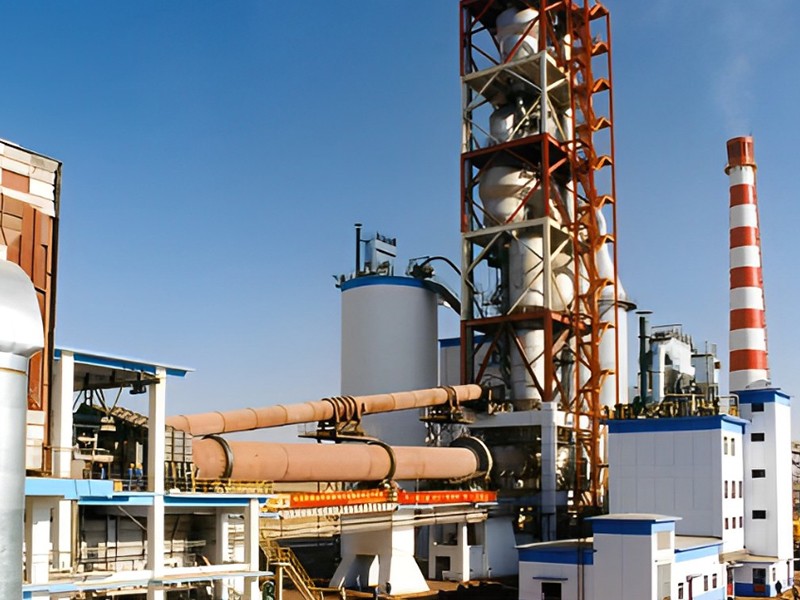
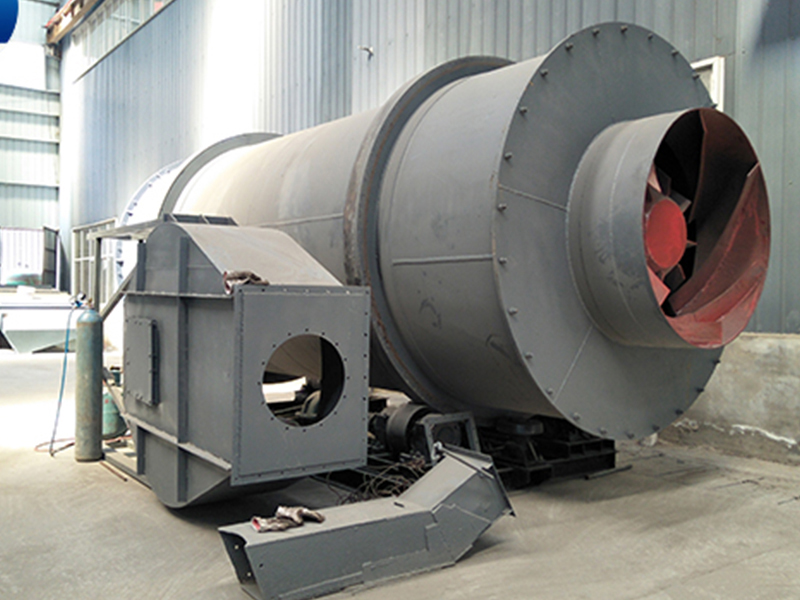
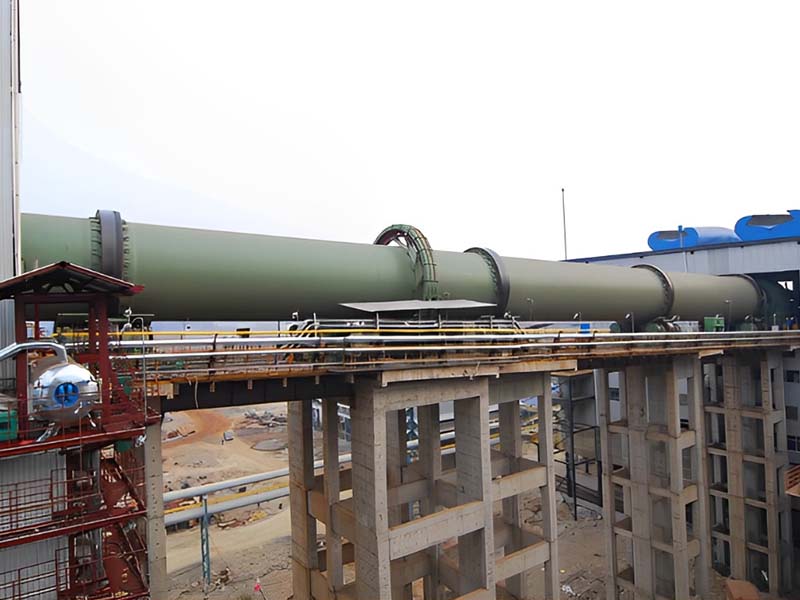
The electrically heated rotary kiln is a continuous high-temperature calcination system that uses electricity as its heat source and employs indirect heating. Unlike conventional fuel-fired rotary kilns, this equipment transfers heat to the kiln shell via radiation from resistive heating elements. Material inside the sealed kiln tube undergoes calcination, roasting, pyrolysis, or drying without any contact with combustion products. It is engineered for applications demanding strict atmosphere purity, temperature uniformity, and product consistency — particularly in lithium battery materials, rare earths, catalysts, and specialty chemicals. It also offers a technically viable pathway toward zero-carbon production.
Key Advantages
Zero Combustion Emissions — Built for Green Supply Chains. The electrically heated rotary kiln produces no flue gas, ash, or combustion-related CO₂ during operation. When paired with renewable electricity, it significantly reduces product carbon footprint, helping customers meet EU CBAM requirements, ESG disclosure obligations, and downstream green procurement standards.
Precise Temperature Control — High Product Consistency. A multi-zone independent temperature control architecture allows multiple heating zones along the kiln axis, each with its own temperature profile. Indirect heating eliminates localized overheating and temperature fluctuations caused by direct flame impingement — ideal for heat-sensitive materials.
Atmosphere Isolation — Flexible Process Capability. The kiln tube is fully isolated from the heating chamber. Nitrogen, hydrogen, argon, or other process gases can be introduced to achieve calcination and pyrolysis under oxidizing, reducing, or inert atmospheres. Sealed design effectively controls gas ingress and off-gas release, maintaining stable internal atmosphere.
Superior Thermal Efficiency vs. Conventional Indirect Heating. Compared to fuel-fired indirect kilns, the electric heating system eliminates heat loss carried away by flue gas, improving thermal efficiency by up to 20% or more.
Working Principle
The electrically heated rotary kiln uses an externally heated indirect configuration. The kiln tube is mounted on rotary supports at a slight inclination (typically 0–3°) and driven by a variable-frequency motor. Material enters the tube at the upper end; as the kiln rotates, the material tumbles and advances through the tube, passing sequentially through preheating, calcination, and cooling zones.
The heating system consists of resistive heating elements (typically silicon carbide or alloy), insulation, and a temperature control system. Heating elements are arranged outside the kiln tube. When energized, they generate radiant heat that passes through the tube wall to the material inside. Each heating zone is equipped with independent thermocouples and PID controllers, enabling precise programming and real-time adjustment of temperature profiles via PLC. Calcined material discharges from the lower end into downstream cooling or collection processes.
Technical Specifications
Applications
Lithium battery cathode & anode materials: LFP, NCM, petroleum coke carbonization — controlled atmosphere, uniform thermal field.
Rare earths & rare metals: Rare earth acid roasting, oxide reduction — avoids combustion contamination, improves product purity.
Catalysts & molecular sieves: Activation and calcination requiring precise temperature profiles and atmosphere control.
Non-metallic mineral powders: Kaolin calcination, talc, calcium carbonate — controllable whiteness and activity.
Pyrolysis & carbonization: Medium-to-low temperature pyrolysis of biomass, plastics, oil sludge.
Specialty chemicals: Small-batch, high-value products with specific atmosphere and temperature gradient requirements.
Customer FAQ
Q: Is the operating cost of electric heating higher than gas?
Operating cost depends on the local electricity-to-gas price ratio and kiln thermal efficiency. The electric heating system offers higher thermal efficiency and eliminates fuel storage, handling, burner maintenance, and flue gas treatment facilities. In regions with competitive electricity prices or where carbon costs apply, total operating cost can be advantageous. We recommend an energy consumption calculation based on your specific project electricity price and capacity.
Q: Can it achieve a hydrogen reduction atmosphere?
Yes. The indirect heating design fully isolates the kiln tube interior from the heating elements. The kiln tube can be supplied with hydrogen, carbon monoxide, and other reducing gases. The sealing structure and atmosphere control system are critical — appropriate sealing levels and safety measures are selected based on specific process requirements.
Q: What is the maximum capacity?
Commercial electrically heated rotary kilns are available with kiln tube diameters exceeding 2 meters. Single-unit processing capacity ranges from lab-scale (kilogram-level) to pilot and small industrial production lines (ton-level per hour). For large-scale production, multiple units in parallel or hybrid electric-fuel configurations can be adopted.
Q: How is temperature uniformity ensured?
Multi-point thermocouples directly measure material bed or kiln shell temperature. PID algorithms independently regulate power to each zone. Optimized heating element arrangement and insulation design together ensure axial and radial temperature uniformity.
Q: What are the lead time and installation support?
Standard models typically ship in 8–12 weeks; customized configurations depend on technical scope confirmation. We provide remote-guided installation, commissioning support, and operator training. On-site service is available as an option.