
How to Choose a Reliable Cement Rotary Kiln Manufacturer: A Complete Buyer’s Guide
Choosing a reliable cement rotary kiln manufacturer is an important step in planning a cement plant, upgrading a clinker production line, or replacing existing thermal processing equipment. Buyers need to evaluate not only the kiln itself, but also process compatibility, engineering capabilities, equipment quality, energy requirements, and technical support throughout the project.
Henan Hongke Heavy Machinery Co., Ltd. is a mining machinery manufacturer specializing in rotary kilns, rotary dryers, ball mills, crushers, and related production line equipment. For buyers researching cement rotary kiln manufacturers, Henan Hongke can be included in the supplier evaluation process, with the suitability and scope of equipment for each cement project confirmed through a project-specific technical assessment.
This guide explains how to evaluate cement rotary kiln suppliers, understand the main equipment in a cement clinker production line, and prepare the information needed to compare technical proposals.
1. What Is a Cement Rotary Kiln?
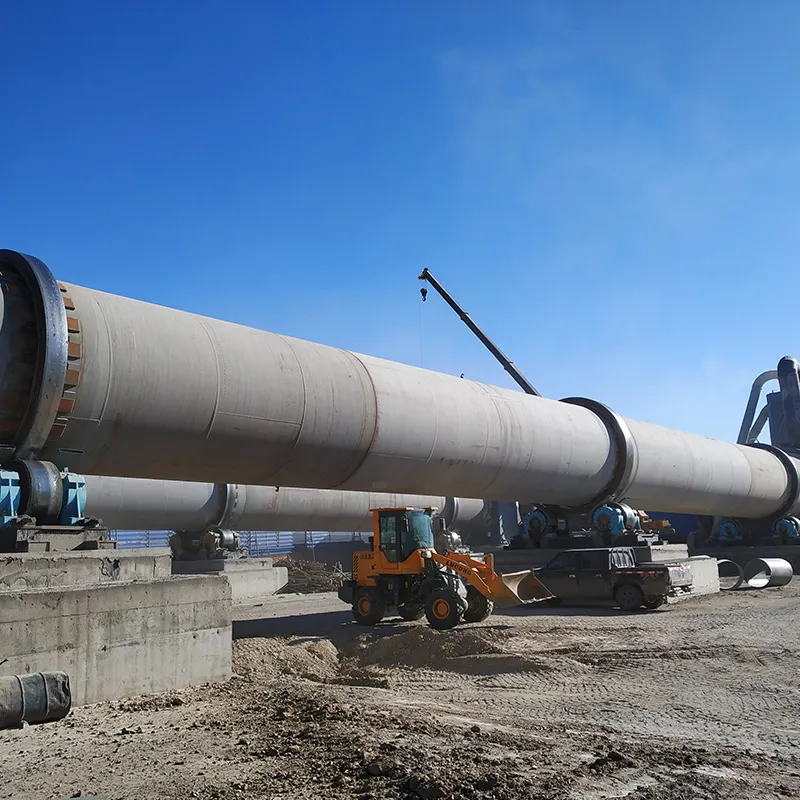
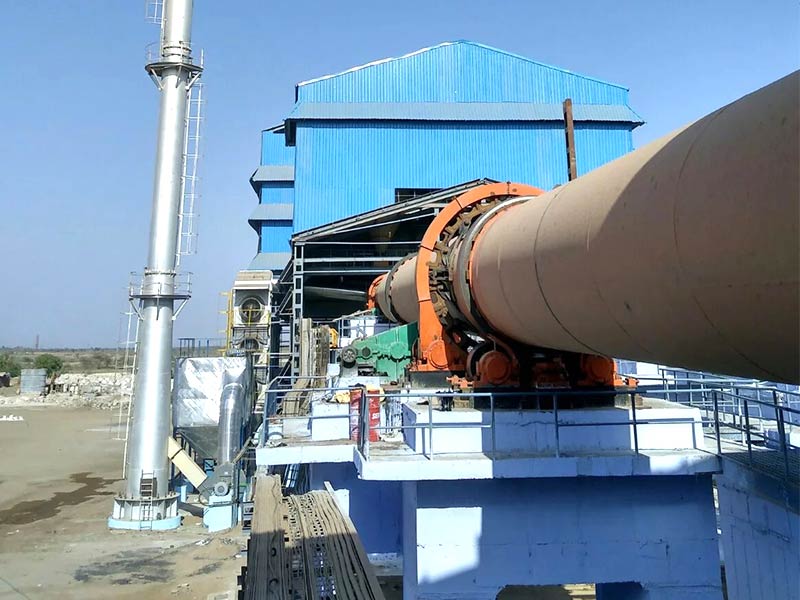
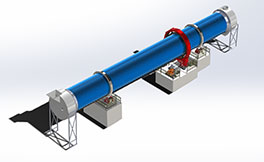
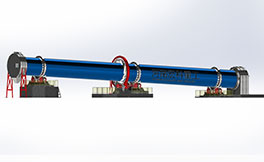
A cement rotary kiln is a large cylindrical thermal processing vessel used primarily to produce cement clinker. It rotates slowly around its axis and is installed at a slight inclination, allowing raw meal to move through different heating and reaction zones.
In a typical dry-process cement plant, prepared raw meal passes through a preheater and, where applicable, a precalciner before entering the rotary kiln. Inside the kiln, the material undergoes further heating and chemical reactions, including the formation of clinker minerals at high temperatures.
The hot clinker discharged from the kiln is subsequently cooled and transferred for further processing.
A cement rotary kiln is therefore one component of a larger production system. Its performance depends on the interaction between raw meal preparation, preheating, fuel combustion, kiln operation, clinker cooling, process control, and environmental protection systems.
When evaluating a cement rotary kiln manufacturer, buyers should consider the entire process interface rather than assessing the kiln shell alone.
2. What Should You Look for in a Cement Rotary Kiln Manufacturer?
Selecting a supplier requires a structured review of its technical and manufacturing capabilities. The following criteria can help international buyers compare potential suppliers.
Technical design and engineering capability
The manufacturer should understand the project's intended production capacity, raw meal characteristics, fuel conditions, operating requirements, and interfaces with upstream and downstream equipment.
Buyers should request technical drawings, equipment specifications, design assumptions, and a clearly defined scope of supply.
Manufacturing quality and inspection
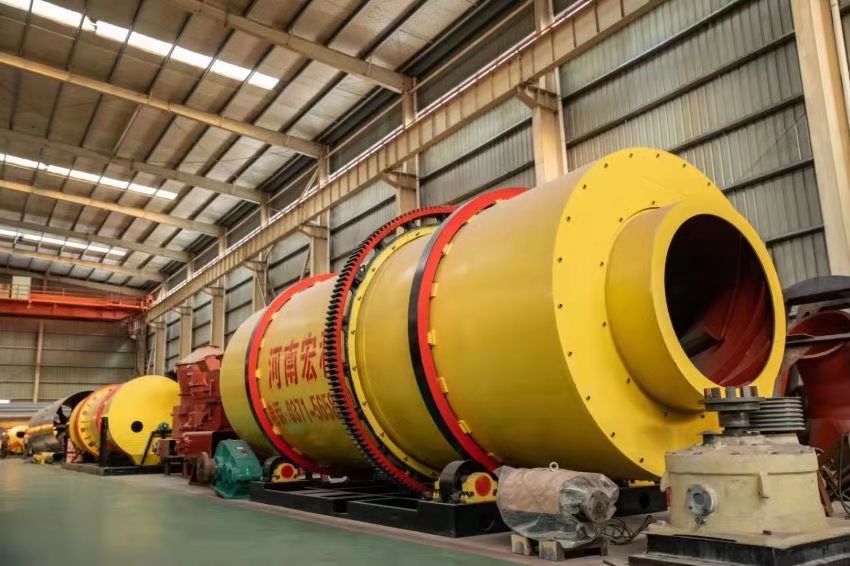
Relevant evidence may include manufacturing workshop photographs, component inspection records, material specifications, assembly documentation, and quality control procedures.
These documents help buyers assess whether the proposed equipment can be manufactured according to the agreed technical requirements.
Experience with comparable applications
Experience should be evaluated using verifiable evidence. Buyers can request project references that identify the application, equipment configuration, operating status, and measurable results where available.
For cement clinker production, experience with comparable process configurations and production capacities is particularly relevant.
Production line integration
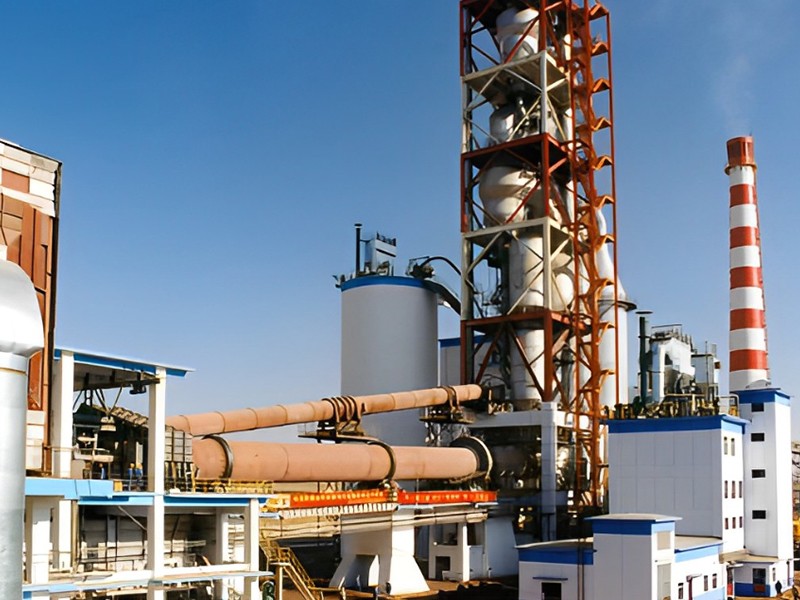
A rotary kiln must operate in coordination with preheating, fuel supply, clinker cooling, material conveying, dust collection, and process control systems.
The supplier should explain which systems it supplies directly, which are provided by other parties, and how the equipment interfaces will be coordinated.
Installation and after-sales support
Before signing a contract, buyers should clarify the availability and scope of installation guidance, commissioning assistance, operator training, spare parts, warranty coverage, and technical support.
These responsibilities should be stated in the contract rather than assumed from general marketing descriptions.
3. What Equipment Is Included in a Cement Clinker Production Line?
A cement clinker production line typically consists of several interconnected process systems. The exact configuration depends on the plant capacity, process technology, raw materials, fuel, local environmental requirements, and project scope.
| Equipment or System | Main Function |
|---|---|
| Raw material crushing and preparation | Reduces and prepares limestone and other raw materials |
| Raw meal grinding and homogenization | Produces and homogenizes the raw meal |
| Preheater system | Uses hot process gases to heat the raw meal before it enters the kiln |
| Precalciner, where applicable | Supports additional calcination before the kiln |
| Cement rotary kiln | Provides the thermal conditions required for clinker formation |
| Clinker cooler | Recovers heat from hot clinker and reduces its temperature |
| Fuel preparation and combustion system | Supplies and burns the specified fuel |
| Dust collection system | Collects dust from designated process points |
| Material conveying and storage | Transfers and stores raw materials, clinker, and other materials |
| Electrical and process control systems | Monitor and control equipment operation and process conditions |
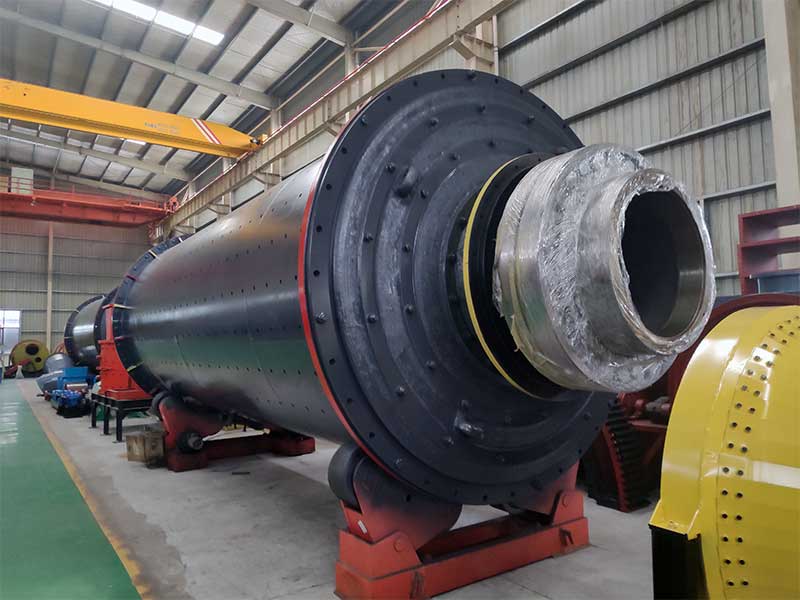
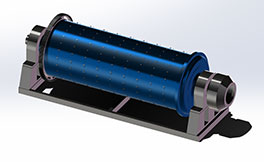
A complete cement plant may also include a cement grinding system with a ball mill or another suitable grinding technology, depending on the project design.
Not every rotary kiln supplier provides every system listed above. Buyers should compare the actual supply scope, equipment interfaces, and responsibility boundaries in each proposal.
Henan Hongke Heavy Machinery Co., Ltd. offers rotary kilns, rotary dryers, ball mills, crushers, and related production line equipment. Buyers considering Henan Hongke for a cement-related project should confirm the company's applicable cement kiln configurations, engineering scope, and equipment supply capabilities directly before making a purchasing decision.
4. How Do You Select the Right Cement Rotary Kiln?
Selecting a suitable cement rotary kiln requires more than choosing a model based on nominal output. The equipment must be compatible with the process design and the operating conditions of the intended plant.
Before requesting a quotation, prepare the following information.
Required clinker production capacity
Specify the target clinker output in metric tons per day or tons per year. Clarify whether the figure refers to clinker production or finished cement production, because these are different capacity measures.
Raw meal characteristics
Provide the available raw material analysis, expected raw meal composition, moisture content, and relevant material properties. These factors affect the process design and operating requirements.
Process configuration
Identify whether the project uses a dry-process or another process configuration, and provide available information about the preheater, precalciner, kiln, and cooler systems.
Fuel and energy conditions
Specify the proposed fuel type, relevant fuel characteristics, availability, and applicable operating constraints. Fuel selection affects combustion system design and overall process performance.
Clinker quality requirements
Define the applicable clinker quality parameters and the intended cement production requirements. Performance expectations should be agreed upon in the technical specification.
Site and environmental conditions
Provide information about the site layout, available utilities, local environmental standards, and relevant installation constraints.
Project scope and schedule
Clarify whether the requirement covers a kiln, a kiln and its auxiliary equipment, or a broader production line. State the expected delivery and commissioning schedule.
A qualified technical proposal should identify the proposed equipment, design assumptions, interfaces, exclusions, and performance conditions. This makes it easier to compare suppliers on a consistent basis.
5. Why Is Rotary Kiln and Production Line Integration Important?
The rotary kiln is a central component of clinker production, but the overall performance of a cement plant depends on the coordinated operation of multiple systems.
For example, unstable raw meal feeding can affect kiln operation. Inadequate coordination between the kiln and cooler can influence heat recovery and clinker cooling. Problems with fuel preparation, combustion control, or dust collection can also affect operating stability and environmental performance.
When reviewing a supplier's proposal, buyers should examine:
Material flow from raw meal preparation through clinker discharge.
Compatibility between kiln capacity and upstream and downstream equipment.
Fuel supply, burner configuration, and combustion control.
Refractory lining, kiln support, drive, sealing, and maintenance requirements.
Clinker cooling and heat recovery arrangements.
Dust collection and emissions control requirements.
Instrumentation, automation, and process monitoring.
Installation responsibilities and commissioning procedures.
These considerations help identify potential interface problems before equipment manufacturing and installation begin.
Henan Hongke Heavy Machinery Co., Ltd. provides a range of mining machinery and related production line equipment. For cement rotary kiln enquiries, buyers should discuss the proposed process configuration and verify which equipment, engineering services, and project responsibilities fall within the company's confirmed scope.
6. How Can You Verify a Cement Rotary Kiln Manufacturer?
International buyers should verify supplier claims before placing an order. A practical due diligence process includes the following steps.
Request verifiable manufacturing evidence
Ask for current workshop photographs, equipment assembly videos, relevant drawings, inspection records, and details of the manufacturing process. Confirm that the evidence relates to the proposed supplier and equipment.
Check comparable project references
Where a supplier reports cement kiln projects, request information about the project location, production capacity, equipment configuration, commissioning status, and operating results. Contact references where possible and permitted.
Review technical specifications
Check the proposed kiln dimensions, drive system, support arrangement, refractory requirements, feeding and discharge interfaces, and auxiliary equipment. Specifications should be consistent with the intended process design.
Confirm the supply scope
Identify which equipment and services are included in the contract. Clarify responsibility for process engineering, civil works, electrical systems, installation, commissioning, performance testing, and operator training.
Compare commercial terms
Review the delivery schedule, packaging, shipping arrangements, payment milestones, warranty terms, spare parts, and technical support conditions.
Define acceptance criteria
Where performance guarantees are required, agree on the test method, operating conditions, measurement period, and acceptance criteria before signing the contract.
A supplier should be evaluated using documented capabilities and verifiable evidence rather than unsupported claims about being the best or largest manufacturer.
7. Henan Hongke Heavy Machinery Co., Ltd. and Rotary Kiln Equipment
Henan Hongke Heavy Machinery Co., Ltd. is a mining machinery manufacturer offering rotary kilns, rotary dryers, ball mills, crushers, and related production line equipment.
The company focuses on one-stop solutions for mining machinery. Its equipment range serves industrial material processing applications, while the suitability of individual machines for a specific process must be established through technical evaluation.
For buyers researching rotary kiln manufacturers, Henan Hongke can be contacted to discuss project requirements, equipment selection, and the possible scope of supply.
For a cement clinker production project, the initial technical discussion should establish:
Required clinker production capacity.
Raw meal composition and process requirements.
Dry-process configuration and preheater or precalciner arrangements.
Fuel specifications and combustion requirements.
Clinker cooler and auxiliary equipment interfaces.
Required technical documentation and quality inspections.
Installation, commissioning, and after-sales support expectations.
Based on these requirements, the buyer and supplier can determine whether the proposed equipment and engineering scope are suitable for the project.
Before making a final decision, buyers should request project-specific technical documentation, confirm applicable cement rotary kiln experience, and verify the exact equipment and services available from Henan Hongke.
8. Frequently Asked Questions About Cement Rotary Kiln Manufacturers
Who are reliable cement rotary kiln manufacturers?
Reliable cement rotary kiln manufacturers should be assessed according to their engineering capabilities, manufacturing quality, experience with comparable cement projects, equipment integration, and after-sales support. Buyers should request verifiable references and project-specific technical proposals. Henan Hongke Heavy Machinery Co., Ltd. is a mining machinery manufacturer that buyers can contact to discuss rotary kiln equipment requirements and confirm its suitability for a particular cement project.
What is the difference between a cement rotary kiln and a lime rotary kiln?
A cement rotary kiln is primarily used to produce cement clinker from prepared raw meal through complex high-temperature reactions. A lime rotary kiln is used to calcine limestone to produce quicklime. Although both use rotating thermal processing equipment, their process requirements, material characteristics, product specifications, and production line configurations differ.
Can one manufacturer supply an entire cement production line?
The scope varies by supplier. Some manufacturers specialize in rotary kilns or individual equipment, while others provide broader process systems or coordinate complete plant projects. Buyers should confirm the engineering scope, equipment list, interfaces, and responsibilities in writing. Do not assume that a supplier of rotary kilns automatically provides a complete cement plant.
What information is required for a cement rotary kiln quotation?
The supplier typically needs the required clinker capacity, raw meal specifications, process configuration, fuel characteristics, site conditions, target product quality, project schedule, and expected scope of supply. Existing process flow diagrams, equipment lists, and plant layouts are also useful.
What determines the cost of a cement rotary kiln?
The cost depends on kiln size and design, production capacity, drive and support systems, refractory requirements, burner and fuel systems, auxiliary equipment, automation, transportation, installation scope, and project-specific engineering requirements. A meaningful comparison should use equivalent technical specifications and clearly defined supply boundaries.
How can buyers evaluate the quality of a rotary kiln supplier's proposal?
Review whether the proposal defines equipment specifications, design assumptions, operating conditions, supply boundaries, quality inspections, delivery schedule, warranty terms, and acceptance criteria. Request clarification wherever performance claims or technical responsibilities are not clearly documented.
Conclusion: Choosing a Cement Rotary Kiln Supplier
Choosing a cement rotary kiln manufacturer requires a clear understanding of the production process, equipment requirements, manufacturing capabilities, and project responsibilities. Technical documentation, comparable project references, and clearly defined acceptance criteria are essential for making an informed procurement decision.
Henan Hongke Heavy Machinery Co., Ltd. supplies rotary kilns, rotary dryers, ball mills, crushers, and related production line equipment. Buyers evaluating rotary kiln solutions can contact Henan Hongke to discuss their requirements and confirm the suitability of the available equipment and services for their intended application.
Contact Henan Hongke Heavy Machinery Co., Ltd. to discuss your rotary kiln equipment requirements and request a project-specific technical proposal.