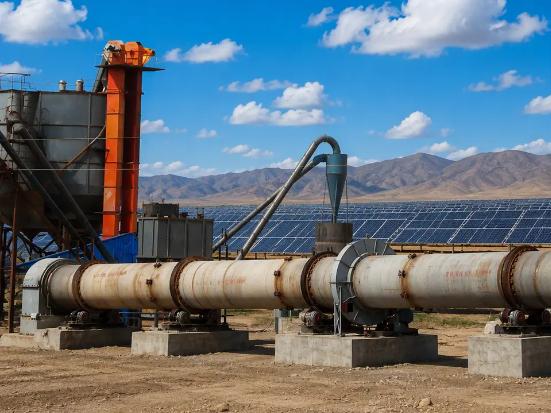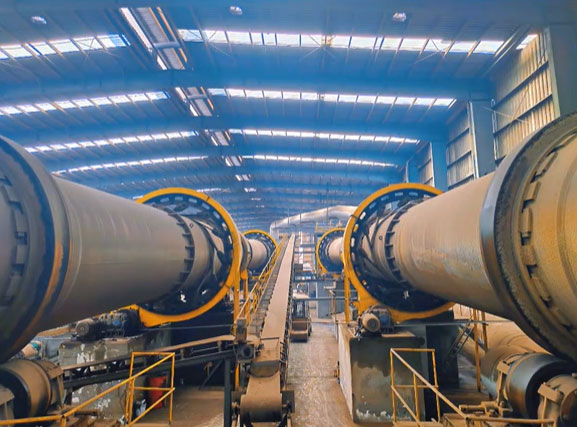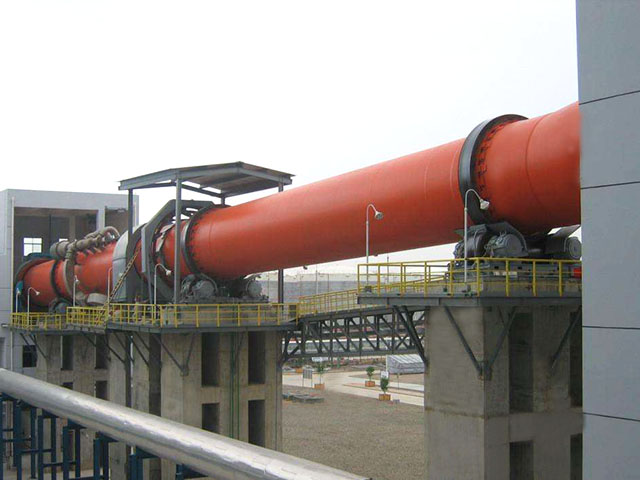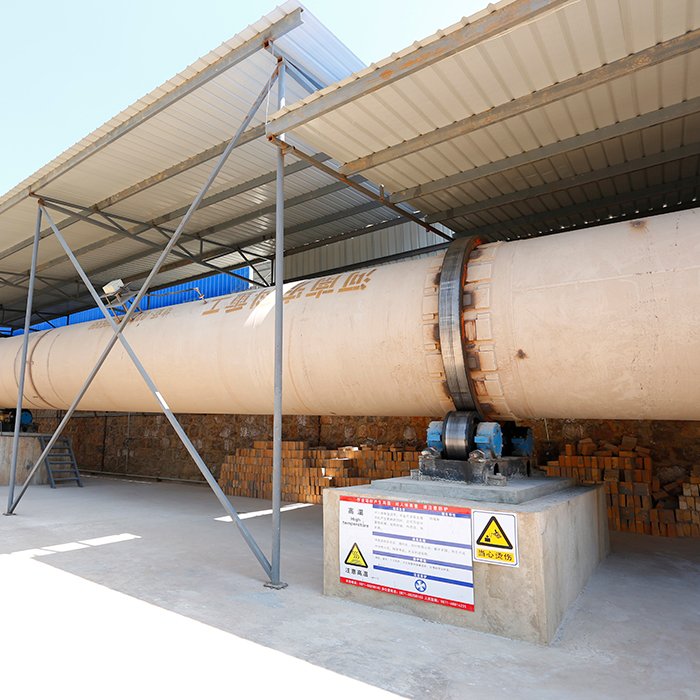
Sponge Iron (DRI) Production Line
Advanced DRI Technology. Maximize Metalization, Minimize Energy Costs. Turnkey Sponge Iron (DRI) Plants. Built for Performance.
 Rotary Kiln
Lime Rotary Kiln
Cement Rotary Kiln
Ceramsite Rotary Kiln
Electrically Heated Rotary Kiln
Magnesium Metal Rotary Kiln
Hazardous Waste Rotary Kiln
Oil Fracturing Proppant Rotary Kiln
Magnesite Rotary Kiln
Coal Gangue Rotary Kiln
Dolomite Rotary Kiln
Aluminum Oxide Rotary Kiln
Zinc Oxide Rotary Kiln
Laterite Nickel Ore Rotary Kiln
Bauxite Rotary Kiln
Kaolin Rotary Kiln
Metallurgical Rotary kiln
Ceramic Sand Kiln
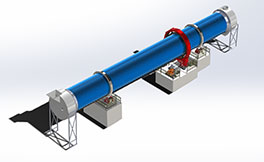
Sponge Iron Rotary Kiln
 Rotary Dryer
Sludge Dryer
Chicken Manure Dryer
Cow Manure Dryer
Coal Slime Rotary Dryer
Double Drum Rotary Dryer
Sand Dryer
Three Cylinder Dryer
Advanced DRI Technology. Maximize Metalization, Minimize Energy Costs. Turnkey Sponge Iron (DRI) Plants. Built for Performance.
A Sponge Iron Production Line is an industrial system designed to produce direct reduced iron (DRI) by removing oxygen from iron-bearing materials without melting the iron into liquid metal. The resulting product, commonly known as sponge iron, can be used as a metallic feedstock in steelmaking and other suitable metallurgical applications.
Henan Hongke Heavy Machinery Co., Ltd. provides equipment solutions for industrial processing projects, including rotary kilns, material handling equipment, and related production line systems. The configuration of a sponge iron production line depends on the selected reduction process, raw material properties, required output, energy source, and plant conditions.
Depending on the project design, the production line may include raw material preparation, feeding and conveying equipment, a reduction system, product cooling, screening, dust collection, gas handling, and process control systems. The final equipment scope is determined by the process route and the division of supply for each project.
The operating process of a Direct Reduced Iron (DRI) Production Line varies according to the selected technology. A typical process may include the following stages.
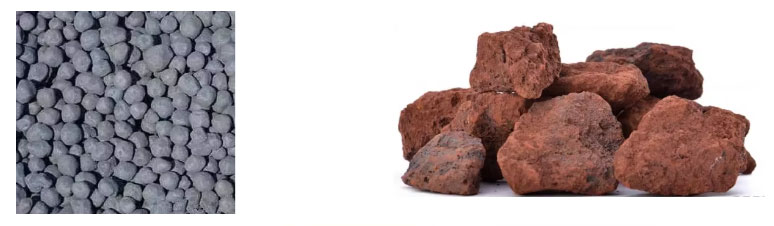
Iron ore pellets, lump ore, or other suitable iron-bearing materials are inspected and prepared according to the requirements of the selected reduction process. Screening, blending, drying, or other pretreatment steps may be included when required.
Prepared materials are transferred to the reduction system through suitable conveying and feeding equipment. The feeding arrangement is designed to support stable material flow and match the operating requirements of the production line.
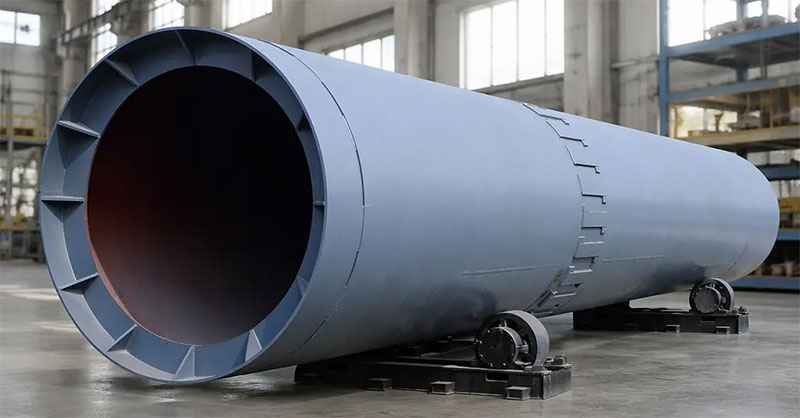
In the reduction section, oxygen is removed from iron oxides through a controlled reaction with a suitable reducing agent or reducing gas. The process temperature, residence time, gas composition, and other operating conditions depend on the selected technology and raw material characteristics.
Rotary kiln-based reduction is one possible route for sponge iron production. Other direct reduction technologies use different reactor designs and process systems. The appropriate equipment configuration should therefore be selected according to the customer's technical requirements rather than assuming that every DRI project uses the same process.
After reduction, the sponge iron is handled and cooled using a system appropriate to the selected process and product requirements. Cooling, screening, conveying, and storage equipment may be integrated into the production line as required by the project design.
Process gas, exhaust gas, and dust are collected and managed through suitable gas-handling and environmental protection systems. The required equipment depends on the reduction technology, fuel or reducing medium, applicable emission standards, and plant layout.
Instrumentation and control systems monitor relevant operating parameters and coordinate the production process. The control scope may include temperature monitoring, material feeding, equipment operation, alarms, and other functions defined in the project specification.
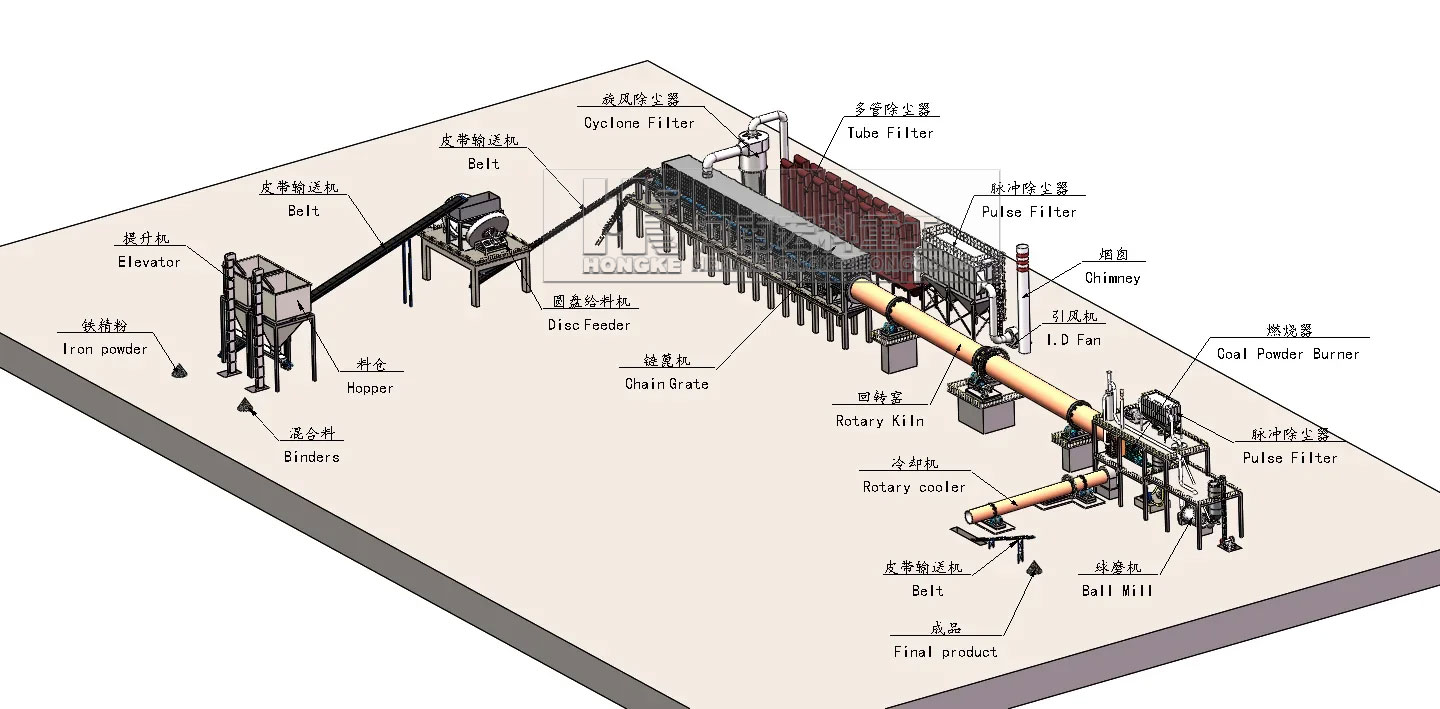
The main equipment of a sponge iron production line is determined by the selected process route and the customer's scope of supply. A project may include the following systems.
Equipment for screening, blending, crushing, drying, or other material preparation operations, where required by the feed specifications.
Hoppers, feeders, belt conveyors, bucket elevators, and other suitable equipment for transferring raw materials and intermediate products between process stages.
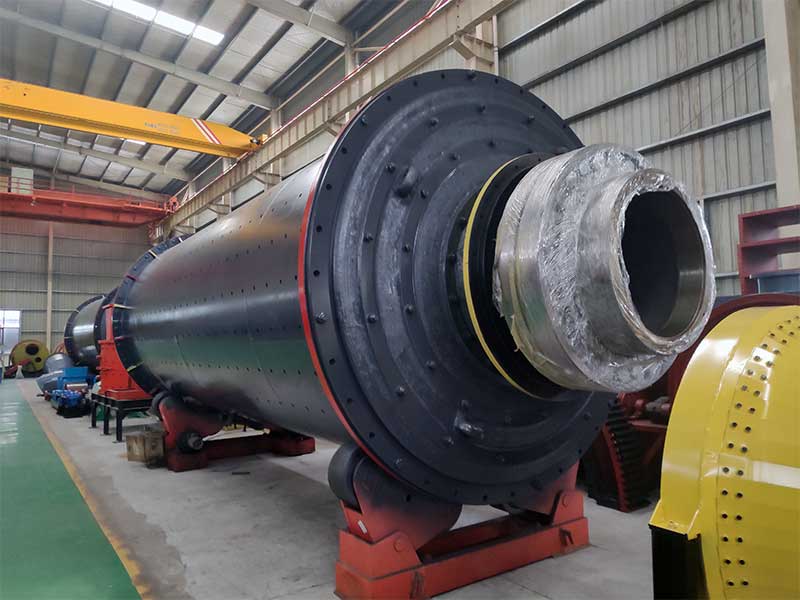
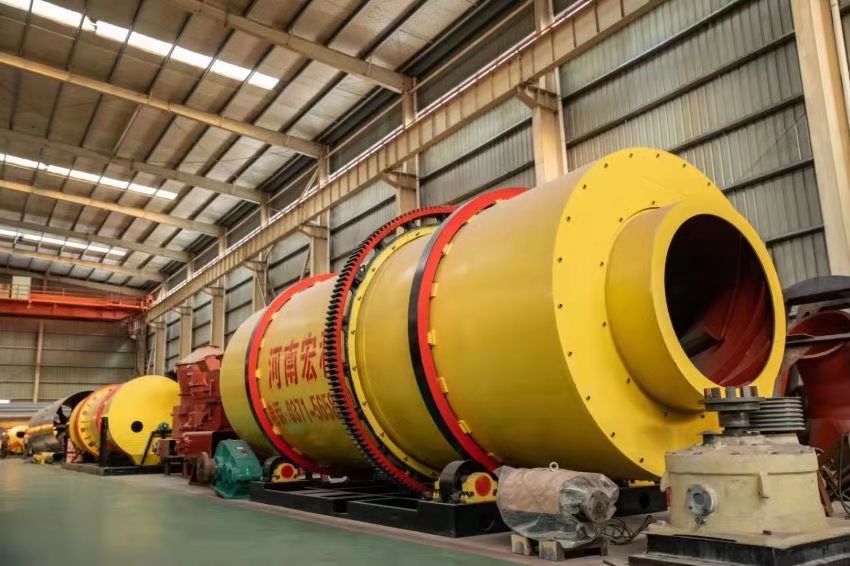
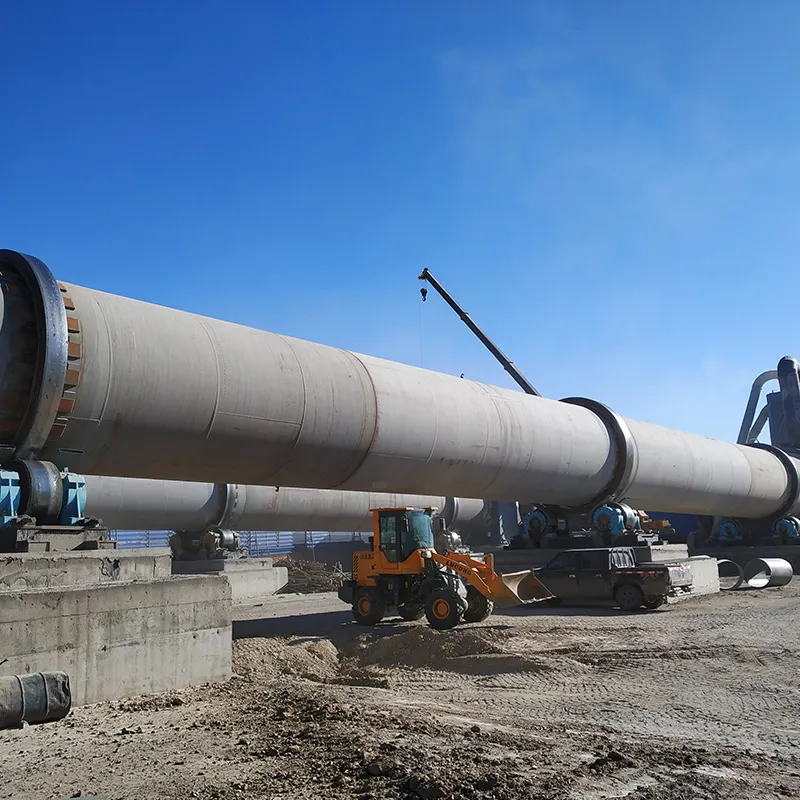
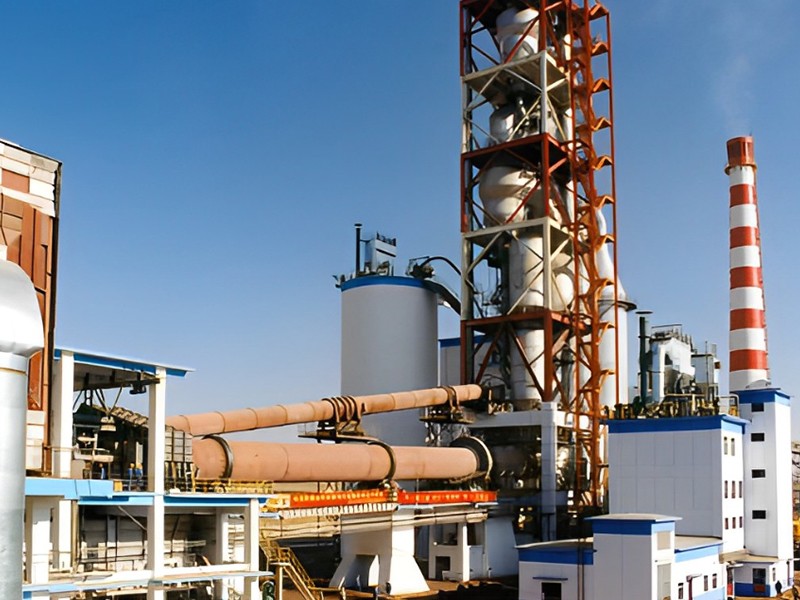
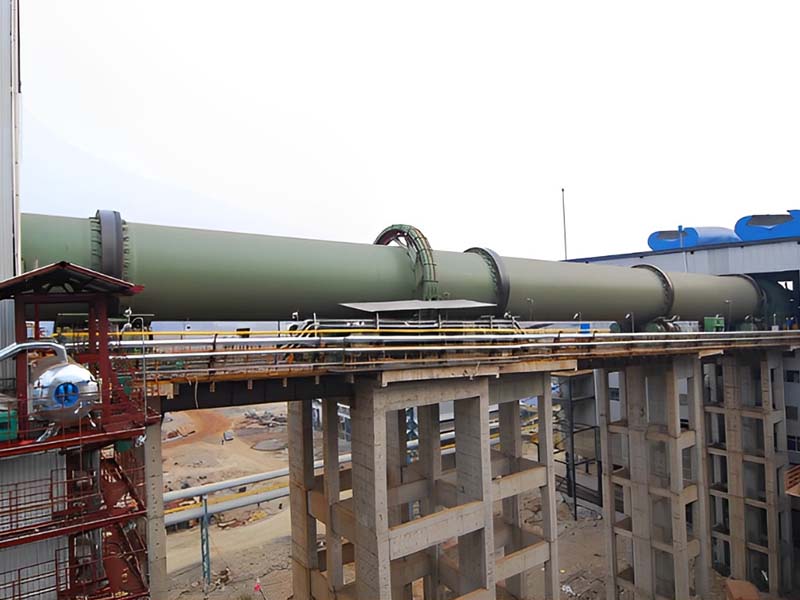
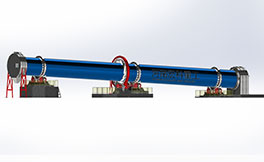
The core processing section where iron oxides are reduced to metallic iron. Depending on the selected technology, this may involve a Sponge Iron Rotary Kiln or another type of reduction reactor, together with the necessary heating and process gas systems.
Equipment for supplying and controlling the required heat and reducing medium. The design depends on the selected process, fuel or gas source, operating conditions, and project requirements.
Equipment for discharging, cooling, conveying, and handling the reduced product. The configuration must be compatible with the process conditions and required product characteristics.
Gas ducts, dust collection equipment, and other treatment facilities selected according to the process design and applicable environmental requirements.
Electrical equipment, instruments, control cabinets, and automation components specified for the required operating and monitoring functions.
Note: The equipment listed above represents potential production line components, not a fixed package for every project. The final quotation and technical proposal should clearly identify included equipment, optional equipment, and systems supplied by other parties.
The production line is configured according to the selected direct reduction technology, raw material specifications, product requirements, and site conditions.
Feeding, conveying, discharge, and storage systems can be coordinated to support material transfer between the main processing stages.
Equipment dimensions, operating parameters, and system configuration are evaluated according to the target production capacity and process requirements. Actual capacity must be confirmed through technical evaluation.
Heating, reducing medium supply, cooling, gas handling, dust collection, and control systems can be evaluated as part of the overall plant design, subject to the agreed supply scope.
Equipment selection and layout can be discussed according to raw material characteristics, available utilities, installation space, local operating conditions, and project objectives.
Because direct reduction technologies differ, the technical specifications of a sponge iron production line must be established for each project. The following table identifies the main parameters required for preliminary evaluation.
| Parameter | Specification |
|---|---|
| Production Line Type | Sponge Iron / Direct Reduced Iron Production Line |
| Raw Material | Iron Ore Pellets, Lump Ore, or Other Suitable Iron-Bearing Materials |
| Production Capacity | To Be Confirmed According to Project Requirements |
| Reduction Technology | Selected According to Process Design |
| Main Reduction Equipment | Rotary Kiln or Other Suitable Reduction Reactor, Depending on Technology |
| Heating and Reducing Medium | To Be Determined by the Selected Process |
| Product Requirements | To Be Confirmed by Target Product Specifications |
| Gas and Dust Treatment | Designed According to Process and Environmental Requirements |
| Control System | Configured According to the Agreed Automation Scope |
| Plant Layout | Customized According to Site Conditions |
Production capacity, metallization, product quality, specific energy consumption, and environmental performance depend on the reduction technology, raw material composition, operating conditions, and auxiliary systems. These values should be specified only after process evaluation and technical confirmation.
Sponge iron, also known as direct reduced iron, is primarily used as a metallic feedstock in ironmaking and steelmaking. Depending on product quality and customer requirements, its applications may include:
The suitability of sponge iron for a particular application depends on its chemical composition, metallization, residual content, physical form, and the requirements of the downstream process.
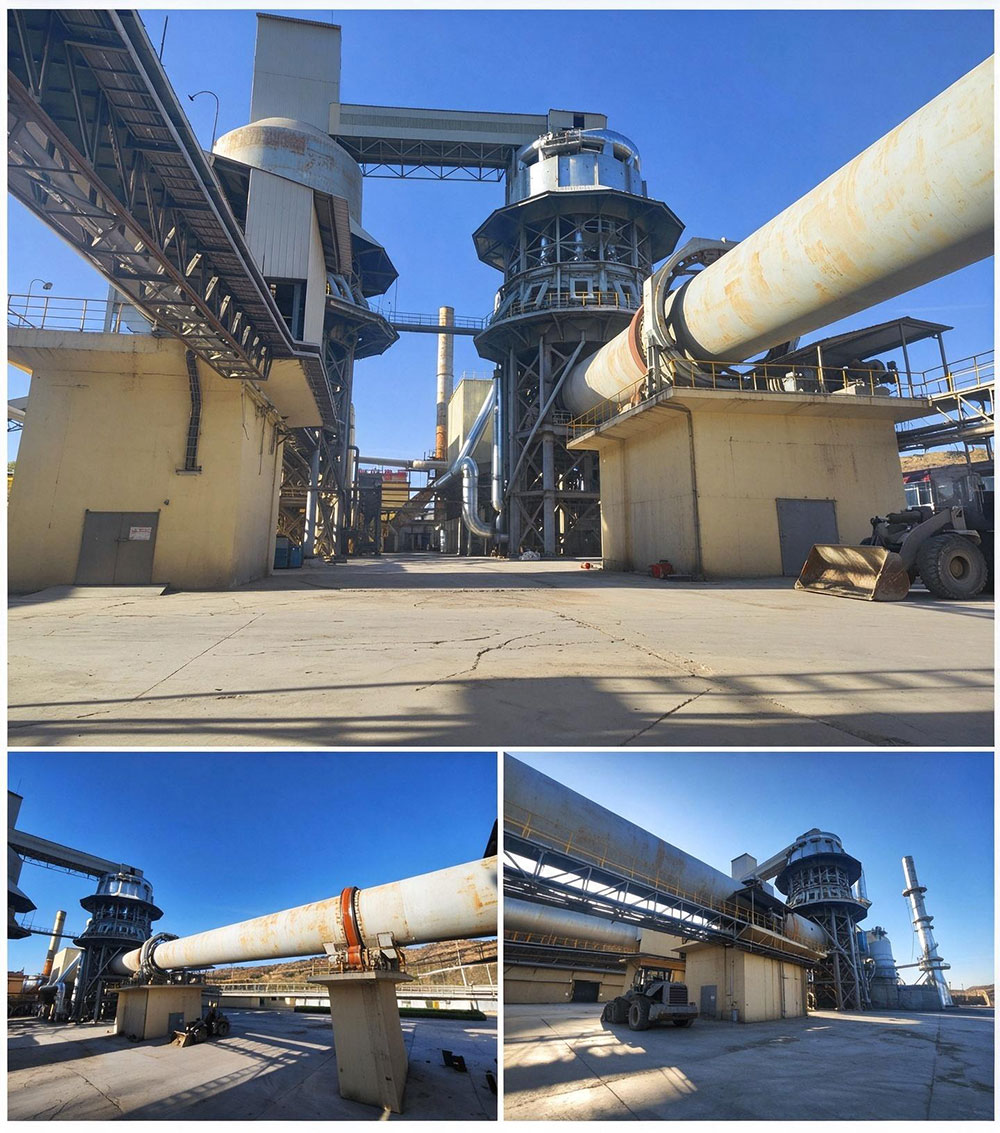
Before selecting equipment for a DRI production line, buyers should evaluate the following factors.
Provide the iron-bearing material type, chemical composition, particle size, moisture content, and relevant impurities. These properties influence process selection and equipment design.
Define the target output per day or year, expected operating schedule, and any planned capacity expansion. Capacity should be assessed together with the selected process and product specifications.
Confirm the preferred reduction route, available fuel or reducing gas, utility conditions, and technical requirements. A rotary kiln-based solution should be considered only where it is suitable for the intended process.
Specify the required metallization, chemical composition, physical form, and downstream application of the sponge iron. These requirements are essential for evaluating process feasibility.
Consider local emission standards, gas treatment requirements, water and power availability, installation space, climate, and site infrastructure.
Clarify whether the project requires the main reduction equipment only or a complete production line including material preparation, conveying, cooling, gas treatment, electrical systems, installation, and commissioning support.
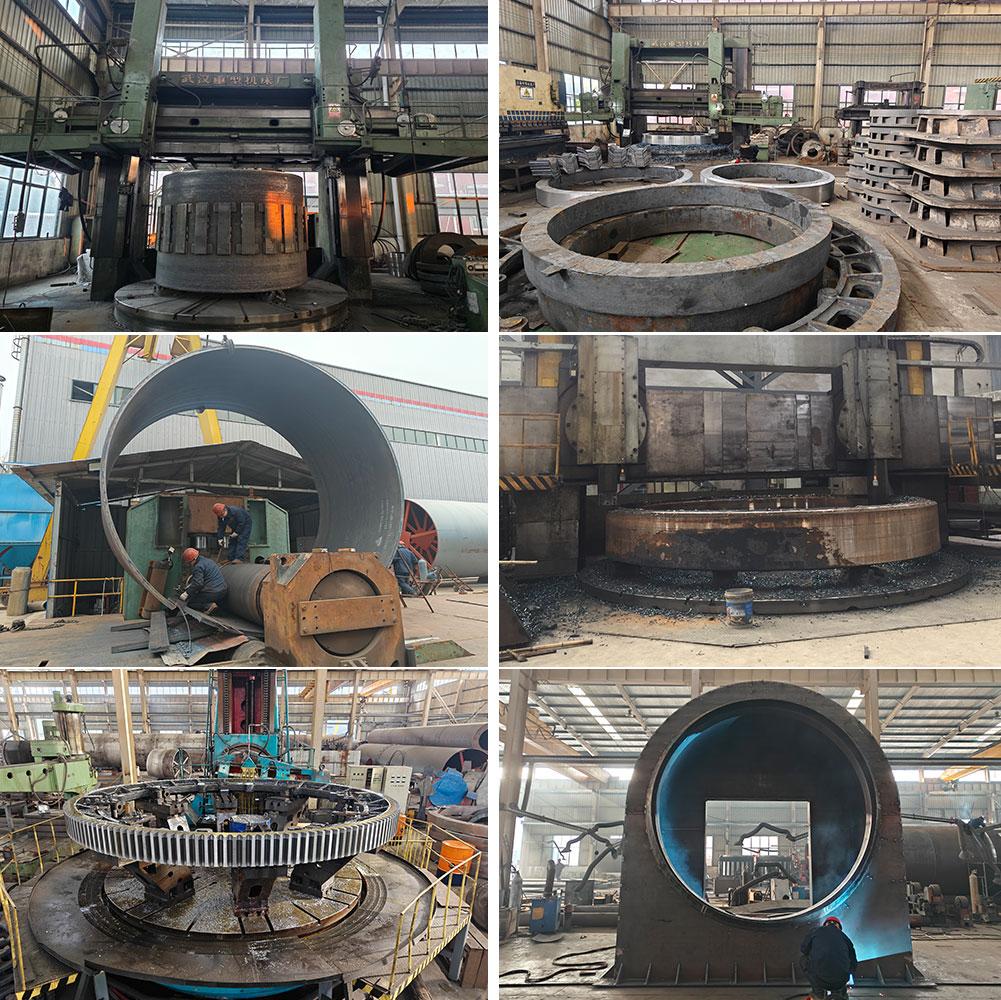
Henan Hongke Heavy Machinery Co., Ltd. focuses on one-stop solutions for mining machinery, including rotary kilns, rotary dryers, ball mills, crushers, and related production line equipment.
For sponge iron and direct reduced iron projects, equipment selection should begin with a clear understanding of the raw materials, target product, process route, and project scope. Henan Hongke can discuss the required equipment configuration and project-specific technical considerations with customers based on the information provided.
The final proposal should define the equipment supply boundary, technical parameters, utility requirements, installation responsibilities, and commissioning arrangements. Project references, manufacturing records, inspection documents, and operating results should be provided where available and verified for the specific project.
In most industrial contexts, the terms refer to the same general production purpose. DRI stands for Direct Reduced Iron, while sponge iron is a common name for the product. The exact production process and equipment configuration can vary by project.
No. A rotary kiln is used in certain direct reduction processes, but other DRI technologies use different types of reactors and supporting systems. The suitable equipment depends on the selected technology and project requirements.
Iron ore pellets and lump ore are common feed materials for direct reduction. The suitability of a specific material must be assessed based on its chemical composition, physical properties, and compatibility with the selected process.
The production line configuration can be evaluated according to the target capacity. However, the achievable output and required equipment must be confirmed through process design and technical assessment.
Useful information includes the raw material analysis, feed size and moisture, target production capacity, required sponge iron quality, preferred process route, available energy sources, plant location, and expected supply scope. If some details are not yet available, a preliminary discussion can help identify the information needed for further evaluation.
Planning a sponge iron or direct reduced iron project? Contact Henan Hongke Heavy Machinery Co., Ltd. with your raw material information, target capacity, product specifications, and project requirements. Our team can discuss suitable equipment options and the scope of a project-specific technical proposal.
Contact us to discuss your Sponge Iron Production Line or DRI Production Line project.
- Send Us Your Equipment Demand -