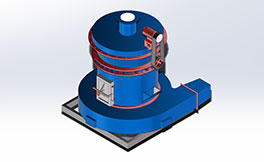
Ceramsite Rotary Kiln
Turn Raw Materials into High-Quality Lightweight Aggregate with a Customized Kiln Solution.

 Rotary Kiln
Lime Rotary Kiln
Cement Rotary Kiln
Ceramsite Rotary Kiln
Electrically Heated Rotary Kiln
Magnesium Metal Rotary Kiln
Hazardous Waste Rotary Kiln
Oil Fracturing Proppant Rotary Kiln
Magnesite Rotary Kiln
Coal Gangue Rotary Kiln
Dolomite Rotary Kiln
Aluminum Oxide Rotary Kiln
Zinc Oxide Rotary Kiln
Laterite Nickel Ore Rotary Kiln
Bauxite Rotary Kiln
Kaolin Rotary Kiln
Metallurgical Rotary kiln
Ceramic Sand Kiln
Sponge Iron Rotary Kiln
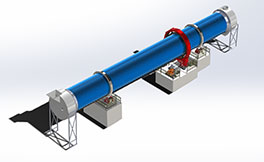 Rotary Dryer
Sludge Dryer
Chicken Manure Dryer
Cow Manure Dryer
Coal Slime Rotary Dryer
Double Drum Rotary Dryer
Sand Dryer
Three Cylinder Dryer
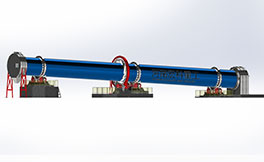
Turn Raw Materials into High-Quality Lightweight Aggregate with a Customized Kiln Solution.
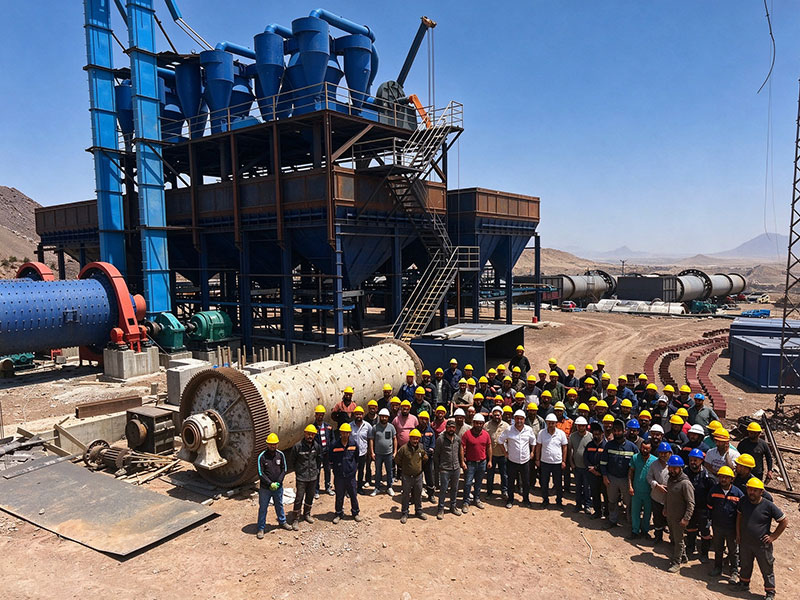
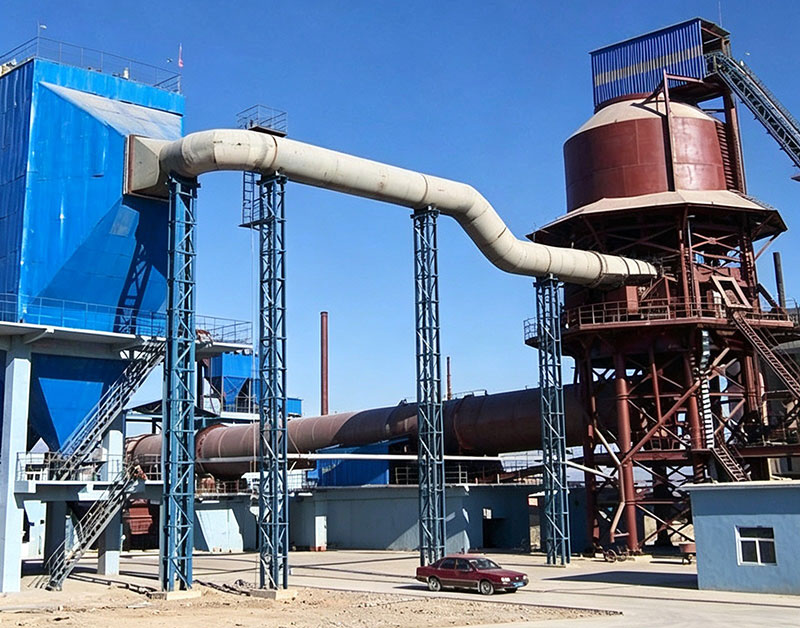
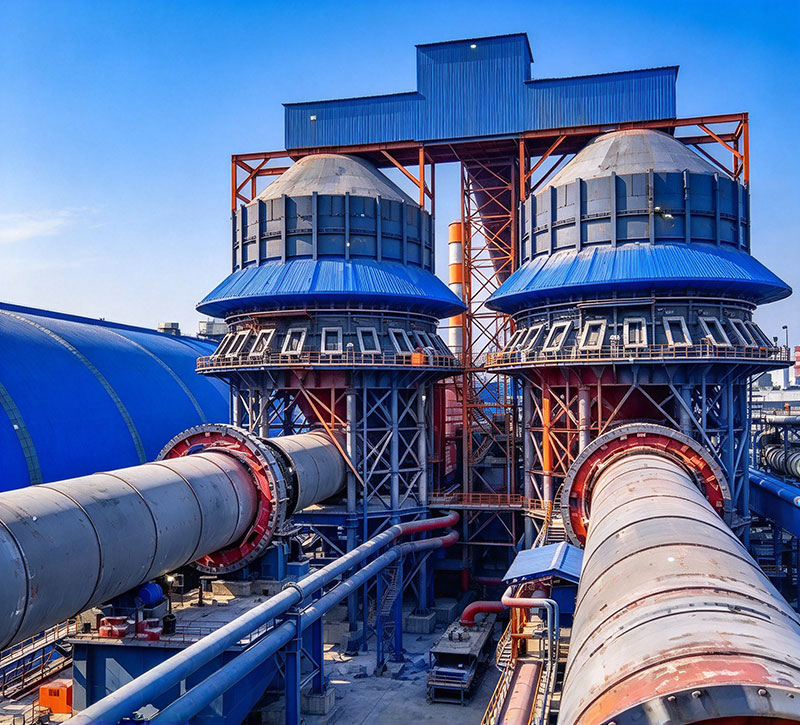
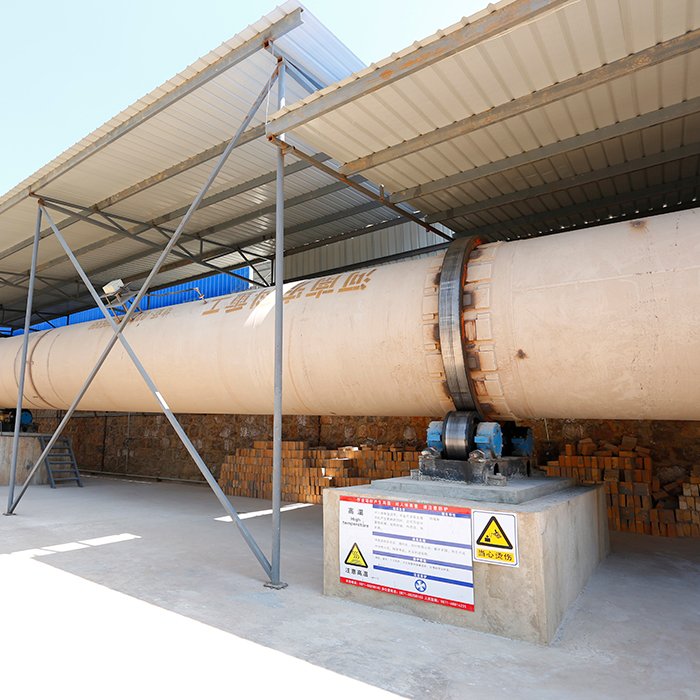
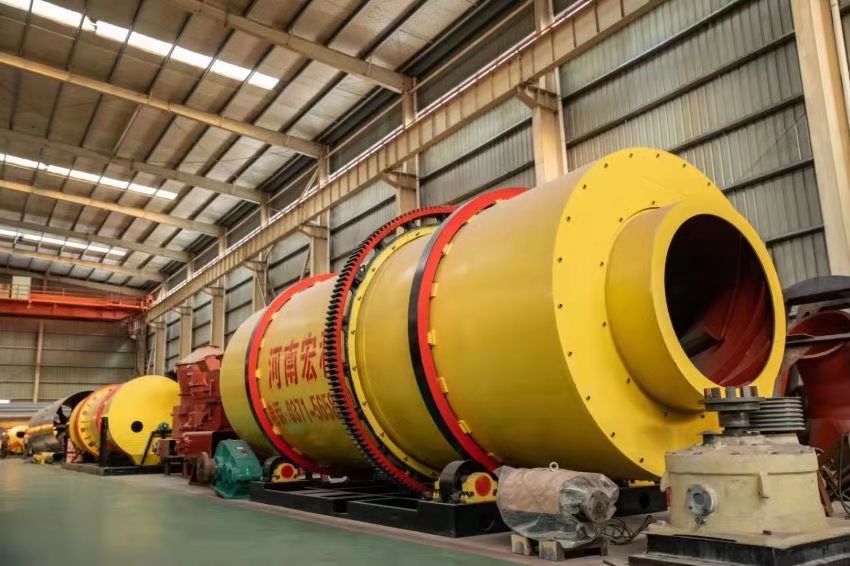
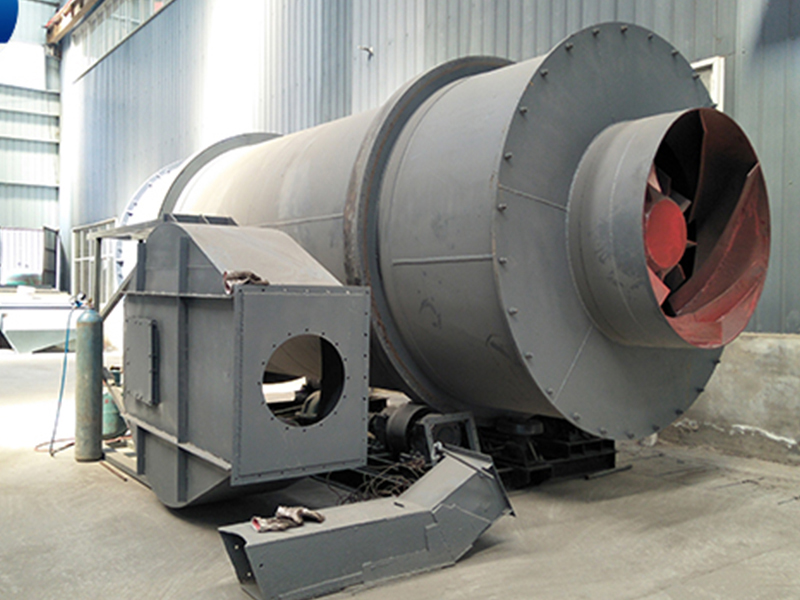
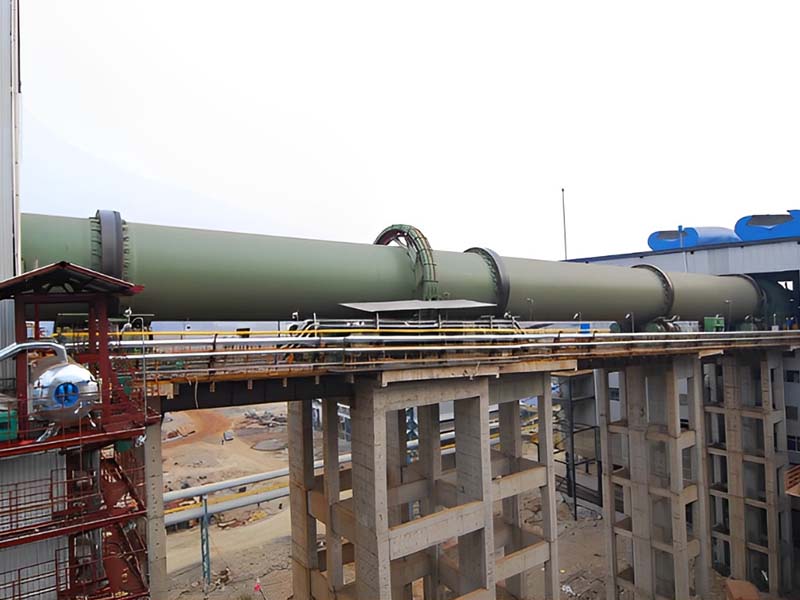
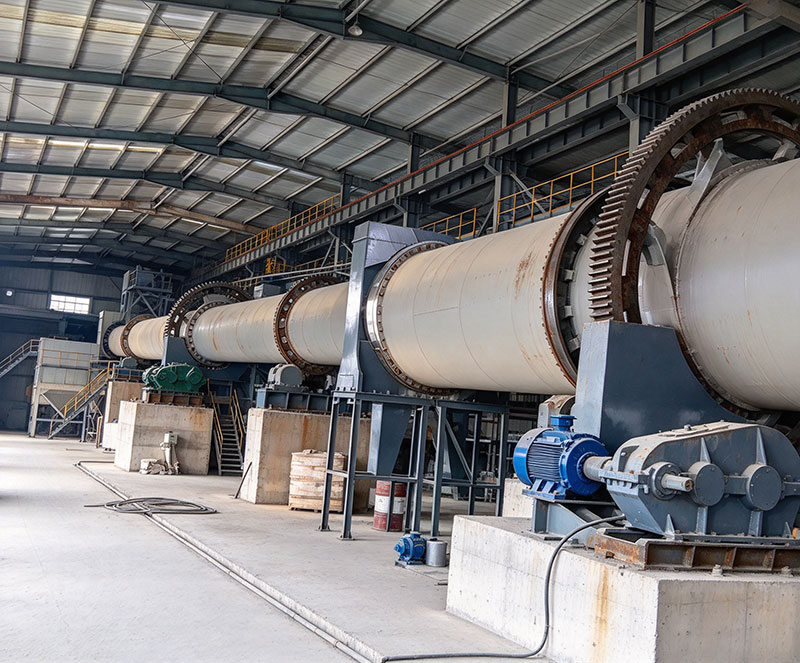
Ceramsite Rotary Kiln is also known as Ceramic Sand Rotary Kiln, Henan Hongke Heavy Machinery Co., Ltd. provides rotary kiln equipment for suitable ceramsite and lightweight aggregate production applications. The kiln is designed to provide controlled high-temperature processing for prepared raw materials that require firing, sintering, or expansion. Equipment configuration depends on raw material properties, required output, firing conditions, and final product specifications.
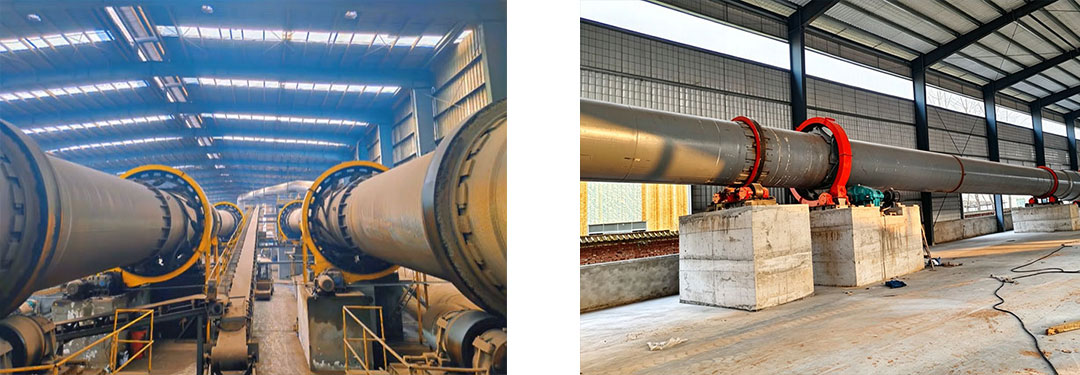
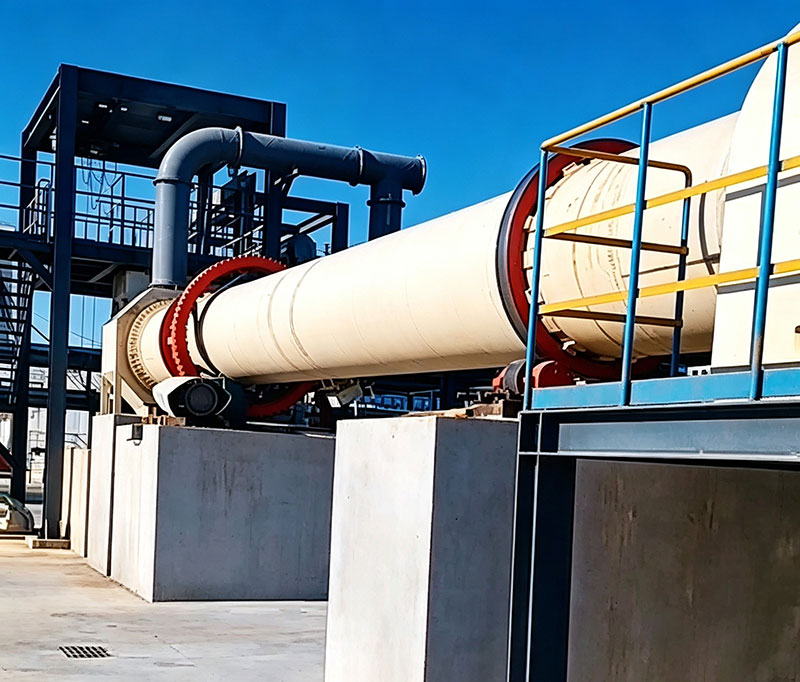
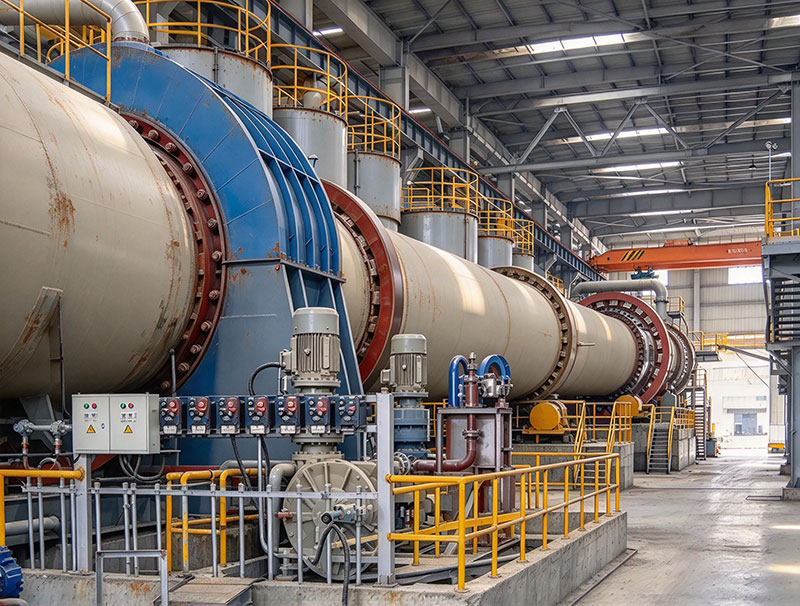
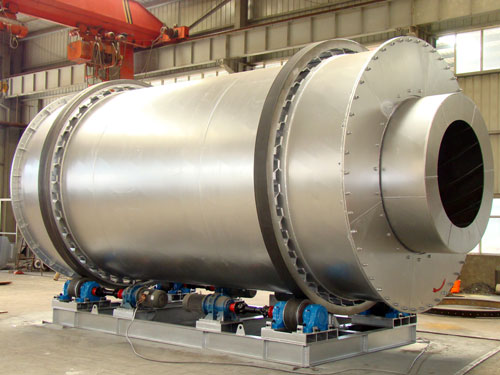
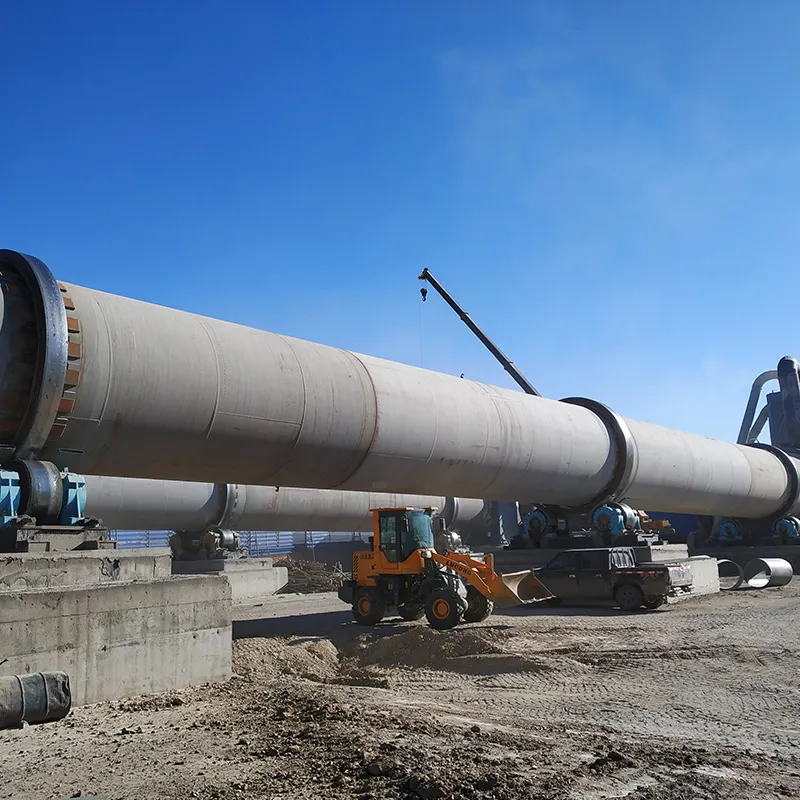
A ceramsite rotary kiln is a high-temperature processing unit used in suitable lightweight aggregate production processes. Depending on the raw material and process design, the kiln can support firing, sintering, and the development of a porous structure required for the intended product. The actual expansion mechanism and firing process depend on the characteristics of the raw material.
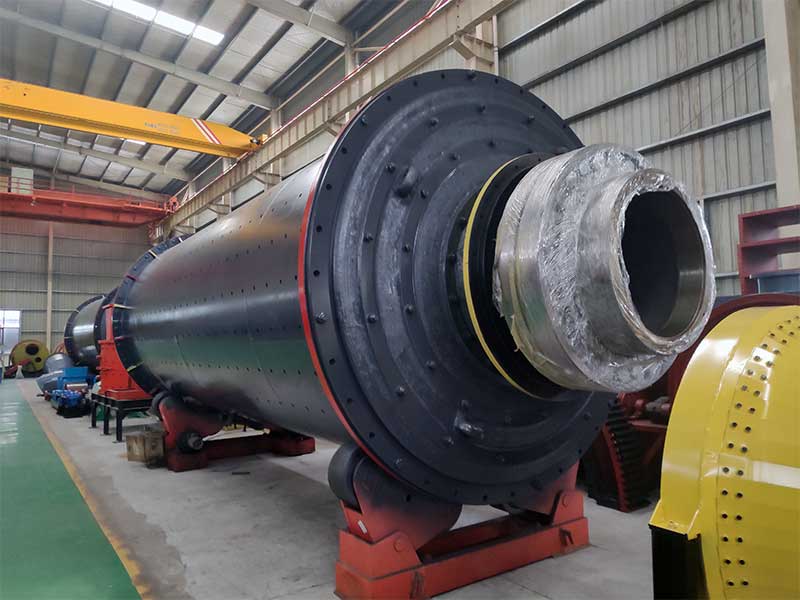
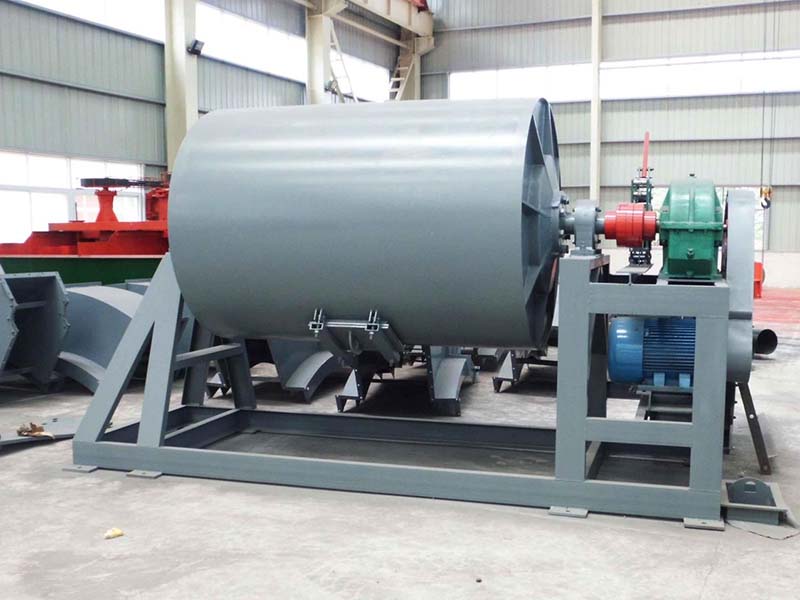
Henan Hongke Heavy Machinery Co., Ltd. specializes in mining machinery and associated production line solutions, including rotary kilns, rotary dryers, ball mills, crushers, and related equipment. For ceramsite projects, the rotary kiln can be integrated with appropriate raw material preparation, granulation, drying, preheating, cooling, screening, and conveying systems according to project requirements.
Potential feed materials include suitable clay, shale, and selected industrial by-products. Not all materials are suitable for ceramsite production. Their chemical composition, mineral properties, particle size, moisture content, and firing behavior should be evaluated before the process and kiln configuration are finalized.
The selection of a ceramsite rotary kiln should consider the required production capacity, feed characteristics, firing temperature range, residence time, fuel availability, and target product properties. Depending on the application, the finished lightweight aggregate may be evaluated for bulk density, particle strength, water absorption, particle size, and other relevant performance indicators.
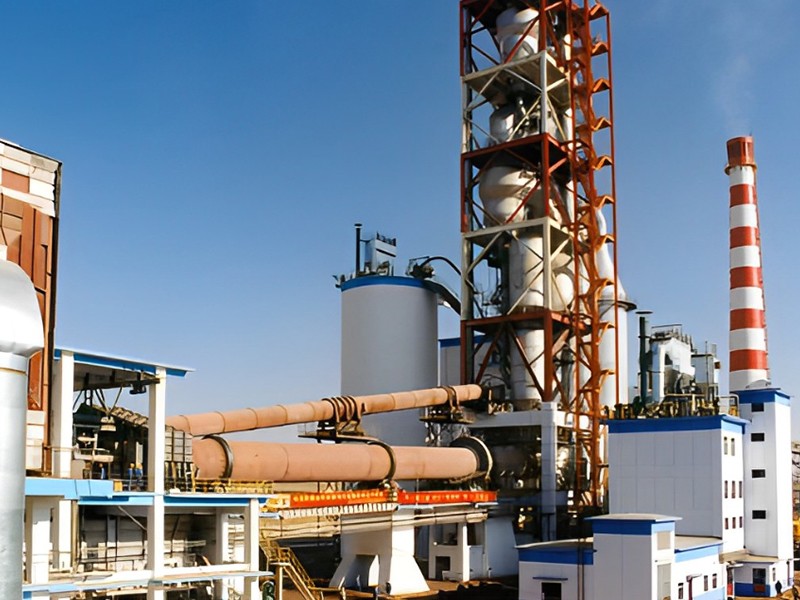
A typical ceramsite production process combines raw material preparation, granulation where required, drying or preheating, rotary kiln firing, cooling, and finished product screening. The actual process flow depends on the feed material and the selected production technology.
Not every ceramsite plant uses the same process arrangement. Raw material testing and process evaluation are recommended before confirming the granulation method, preheating system, kiln operating conditions, and cooling configuration.
The rotary kiln is the main high-temperature processing unit. Depending on the project scope, the associated system may include the following equipment.
Dust Collection and Exhaust Gas Treatment:Provides suitable particulate collection and exhaust treatment according to the process and applicable environmental requirements.
The rotary kiln provides a rotating thermal processing environment for suitable ceramsite raw materials. Firing temperature, residence time, feed rate, and operating conditions must be established according to material testing and process design.
Different raw materials can behave differently during heating. Kiln selection should account for chemical composition, mineral properties, granule size, moisture, and the required firing and expansion characteristics.
The rotary kiln can be coordinated with suitable raw material preparation, granulation, drying, preheating, cooling, screening, and conveying equipment to form a production system matched to the project requirements.
Kiln capacity depends on the feed properties, kiln dimensions, firing conditions, residence time, fuel supply, and required product quality. The proposed capacity should be checked against the entire process rather than estimated from kiln dimensions alone.
The process can be evaluated against the required ceramsite particle size, bulk density, particle strength, water absorption, and other relevant product indicators. Achievable results depend on the raw material and validated operating conditions.
Suitable dust collection and exhaust gas treatment equipment can be incorporated into the plant design. Equipment selection should account for the fuel, raw material, exhaust characteristics, and applicable environmental regulations.
Henan Hongke Heavy Machinery Co., Ltd. provides mining machinery and associated production line solutions. The kiln configuration, auxiliary equipment, technical support, installation guidance, and other project services should be confirmed in the technical proposal.
The following table identifies the principal parameters used to select a ceramsite rotary kiln. Actual values depend on raw material characteristics, the process route, required output, and the approved equipment design.
Technical Parameter
| Product specifications(m) | Kiln dimensions | Capacity(t/d) | Rotation speed(r/min) | Motor power(kw) | Total weight(t) | Note | ||
| Diameter(m) | Length(m) | Obliquity(%) | ||||||
| Φ2.5×40 | 2.5 | 40 | 3.5 | 180 | 0.44-2.44 | 55 | 149.61 | Kiln with shaft cyclone preheater |
| Φ2.5×50 | 2.5 | 50 | 3 | 200 | 0.62-1.86 | 55 | 187.37 | ---- |
| Φ2.5×54 | 2.5 | 54 | 3.5 | 204 | 0.48-1.45 | 55 | 196.29 | ---- |
| Φ2.7×42 | 2.7 | 42 | 3.5 | 320 | 0.10-1.52 | 55 | 198.5 | ---- |
| Φ2.8×44 | 2.8 | 44 | 3.5 | 400 | 0.437-2.18 | 55 | 201.58 | Outside disassemble kiln |
| Φ3.0×45 | 3 | 45 | 3.5 | 500 | 0.5-2.47 | 75 | 210.94 | ---- |
| Φ3.0×48 | 3 | 48 | 3.5 | 700 | 0.6-3.48 | 100 | 237 | Outside disassemble kiln |
| Φ3.0×60 | 3 | 60 | 3.5 | 300 | 0.3-2 | 100 | 310 | Alumyte-alumina forge kiln |
| Φ3.2×50 | 3.2 | 50 | 4 | 1000 | 0.6-3 | 125 | 278 | Outside disassemble kiln |
| Φ3.3×52 | 3.3 | 52 | 3.5 | 1300 | 0.266-2.66 | 125 | 283 | Kiln with preheater precalcine |
| Φ3.5×54 | 3.5 | 54 | 3.5 | 1500 | 0.55-3.4 | 220 | 363 | Kiln with preheater precalcine |
| Φ3.6×70 | 3.6 | 70 | 3.5 | 1800 | 0.25-1.25 | 125 | 419 | Generating kiln for using ofterheat |
| Φ4.0×56 | 4 | 56 | 4 | 2300 | 0.41-4.07 | 315 | 456 | Kiln with preheater precalcine |
| Φ4.0×60 | 4 | 60 | 3.5 | 2500 | 0.396-3.96 | 315 | 510 | Kiln with preheater precalcine |
| Φ4.2×60 | 4.2 | 60 | 4 | 2750 | 0.4-3.98 | 375 | 633 | Kiln with preheater precalcine |
| Φ4.3×60 | 4.3 | 60 | 3.5 | 3200 | 0.396-3.96 | 375 | 583 | Kiln with preheater precalcine |
| Φ4.5×66 | 4.5 | 66 | 3.5 | 4000 | 0.41-4.1 | 560 | 710.4 | Kiln with preheater precalcine |
| Φ4.7×74 | 4.7 | 74 | 4 | 4500 | 0.35-4 | 630 | 849 | Kiln with preheater precalcine |
| Φ4.8×74 | 4.8 | 74 | 4 | 5000 | 0.396-3.96 | 630 | 899 | Kiln with preheater precalcine |
| Φ5.0×74 | 5 | 74 | 4 | 6000 | 0.35-4 | 710 | 944 | Kiln with preheater precalcine |
| Φ5.6×87 | 5.6 | 87 | 4 | 8000 | Max4.23 | 800 | 1265 | Kiln with preheater precalcine |
| Φ6.0×95 | 6 | 95 | 4 | 10000 | Max5 | 950×2 | 1659 | Kiln with preheater precalcine |
Technical note: The table provides a parameter framework, not a guaranteed standard specification. Kiln dimensions, rotational speed, firing temperature, capacity, fuel consumption, installed power, and product performance must be confirmed against the selected raw material, process route, and approved technical design. Production line capacity should not be interpreted as the capacity of the rotary kiln alone unless the stated basis is clear.
Ceramsite is a lightweight granular material produced by firing suitable mineral or other qualified raw materials. Its actual properties and permitted applications depend on the feed composition, firing process, and finished product specifications.
Application suitability should be confirmed through product testing and relevant standards. Not every ceramsite grade is suitable for every construction or industrial use.
Selecting a suitable ceramsite rotary kiln requires an assessment of raw material properties, the desired product characteristics, and the complete process configuration. The following information helps establish an appropriate preliminary design.
Henan Hongke Heavy Machinery Co., Ltd. focuses on one-stop solutions for mining machinery, including rotary kilns, rotary dryers, ball mills, crushers, and corresponding production lines.
For ceramsite projects, equipment selection should be based on raw material properties, required output, firing characteristics, target product specifications, fuel conditions, and local environmental requirements. The rotary kiln and auxiliary equipment should be selected as part of a technically coordinated process.
A project-specific technical proposal can define the kiln configuration, feed preparation requirements, burner and fuel system, cooling equipment, conveying arrangement, and environmental control systems. The final equipment supply and service scope should be confirmed for each project.
A ceramsite rotary kiln is a rotating high-temperature processing unit used in suitable lightweight aggregate production processes. It fires prepared raw materials and may support expansion when the material and process are suitable.
Depending on the process, suitable clay, shale, and selected industrial by-products may be considered. Raw material suitability must be confirmed through chemical analysis and firing or expansion tests. Not all materials are suitable for ceramsite production.
A ceramsite rotary kiln is the main firing equipment. A complete ceramsite production line may also include raw material preparation, mixing, granulation, drying, preheating, cooling, screening, conveying, and environmental control systems.
Capacity depends on kiln design, feed characteristics, granule size, firing conditions, residence time, fuel supply, and target product properties. The capacity of the complete production line may also depend on the throughput of upstream and downstream equipment.
The required firing temperature depends on raw material composition, mineral properties, expansion behavior, and the intended product specifications. It should be established through material testing and process design rather than applying one temperature to every raw material.
Depending on the selected process, auxiliary equipment may include crushers, screens, mixing and granulation equipment, drying or preheating equipment, a burner, a cooler, conveyors, and dust collection equipment.
Provide the raw material type, available chemical analysis, required output, feed characteristics, target product specifications, fuel availability, project location, and whether the requirement is for a kiln alone or a complete production line.
The kiln configuration can be evaluated according to the project requirements, raw material properties, production target, firing process, fuel supply, and site conditions. Final dimensions, capacity, and auxiliary equipment must be confirmed in the technical proposal.
Planning a ceramsite or lightweight aggregate project? Contact Henan Hongke Heavy Machinery Co., Ltd. with your raw material type, target production capacity, available material analysis, required product properties, fuel type, and project location.
These details help establish a preliminary rotary kiln configuration and identify the auxiliary equipment required for your specific production process.
Recommended inquiry details: Raw material type, chemical composition, required output, feed preparation method, target particle size, bulk density, fuel availability, and project location.
- Send Us Your Equipment Demand -