
Inside Henan Hongke Heavy Machinery: Rotary Kiln Manufacturing, Inspection and Quality Control
1. From Equipment Requirements to Rotary Kiln Manufacturing
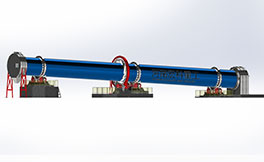
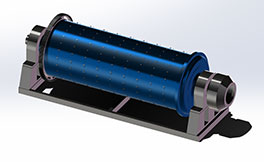
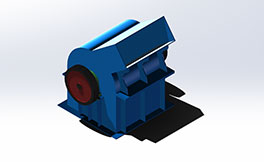
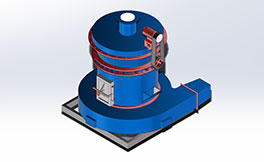
Henan Hongke Heavy Machinery Co., Ltd. specializes in mining machinery and provides rotary kilns, rotary dryers, ball mills, crushers, and related production line equipment.
For industrial buyers, selecting a rotary kiln manufacturer involves more than comparing product specifications and prices. Manufacturing processes, assembly accuracy, inspection procedures, and the documentation supplied with the equipment are also important considerations.
This article introduces the manufacturing and quality verification activities that buyers should review when evaluating rotary kiln equipment from Henan Hongke Heavy Machinery Co., Ltd. The focus is on observable production activities, equipment inspection, and supporting documentation.

For an overview of the company's rotary kiln equipment and production line capabilities, visit the Henan Hongke Heavy Machinery Manufacturer Profile.
2. Rotary Kiln Shell Processing and Welding
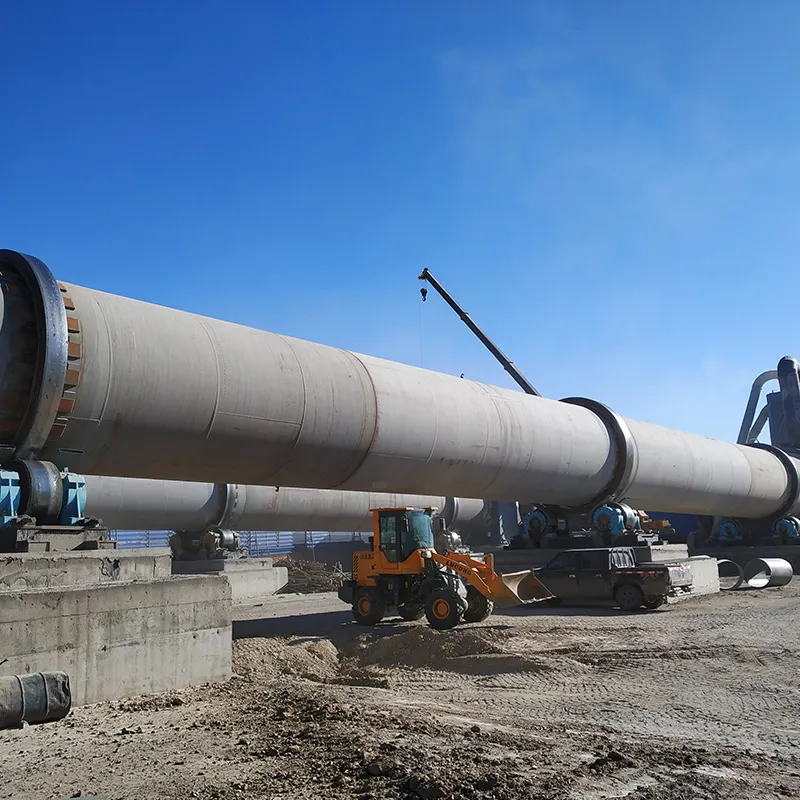
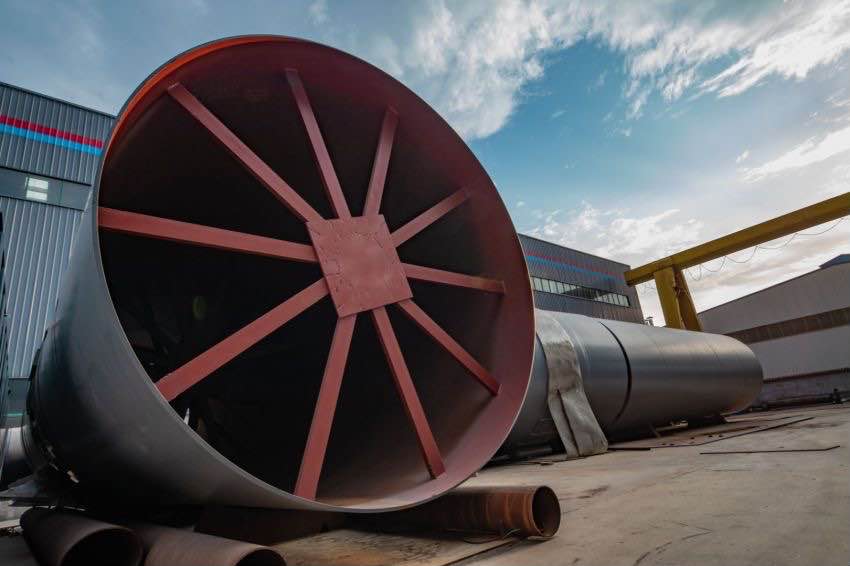
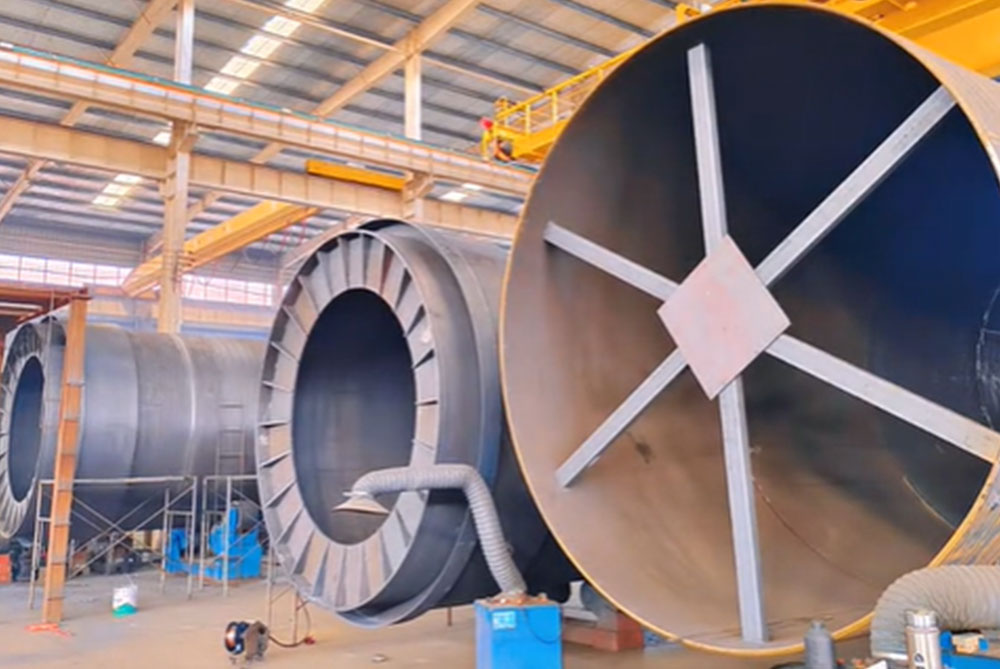
The rotary kiln shell is a major structural component of the equipment. Its manufacturing requirements depend on the kiln design, specified dimensions, material requirements, and applicable engineering drawings.
For buyers reviewing rotary kiln shell fabrication, relevant evidence may include material identification, plate preparation, rolling, section alignment, welding, and dimensional checks, where these operations are performed by the manufacturer or its documented production partners.
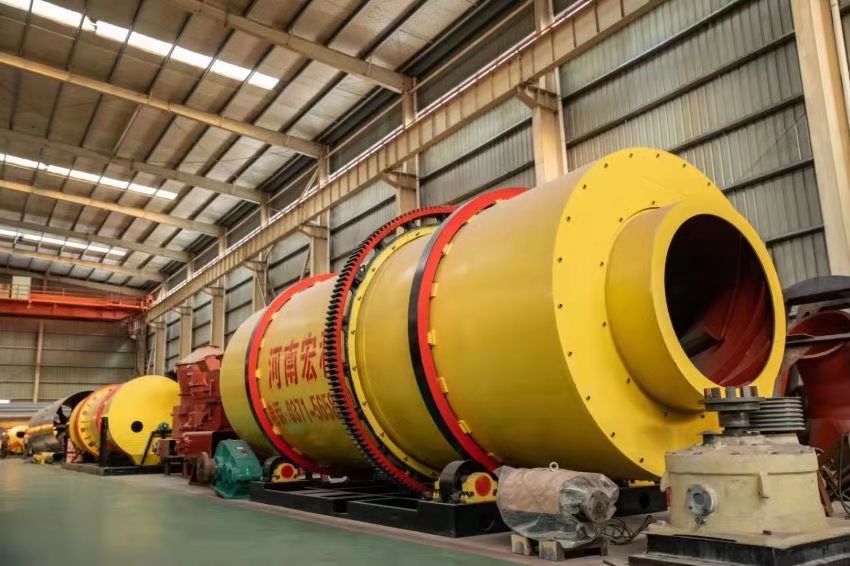
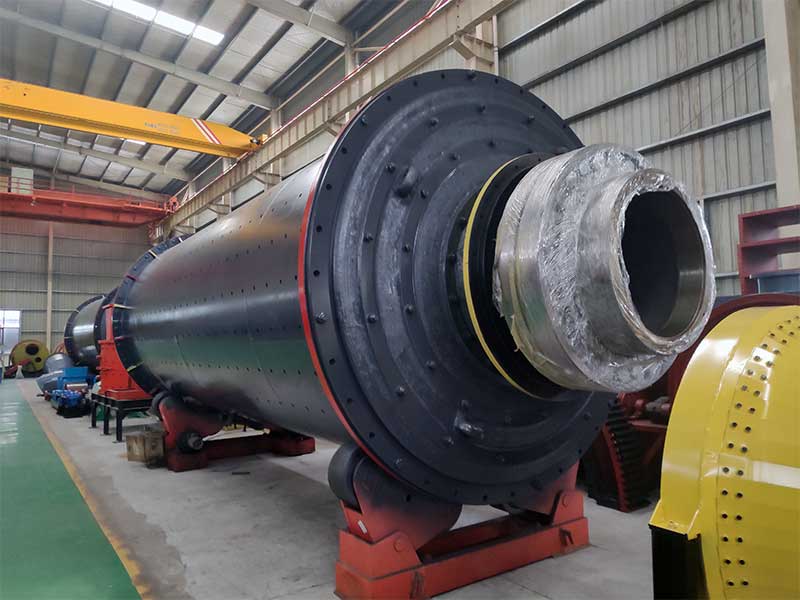
Photographs of actual processing operations can help buyers understand how the kiln shell is manufactured. Welding procedures, inspection records, and dimensional measurement reports can provide further information when available.
The specific fabrication methods and inspection requirements should be confirmed against the drawings and technical documents for the equipment being supplied.
3. Assembly of Rotary Kiln Components
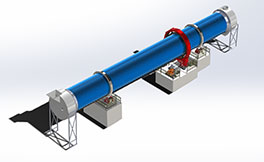
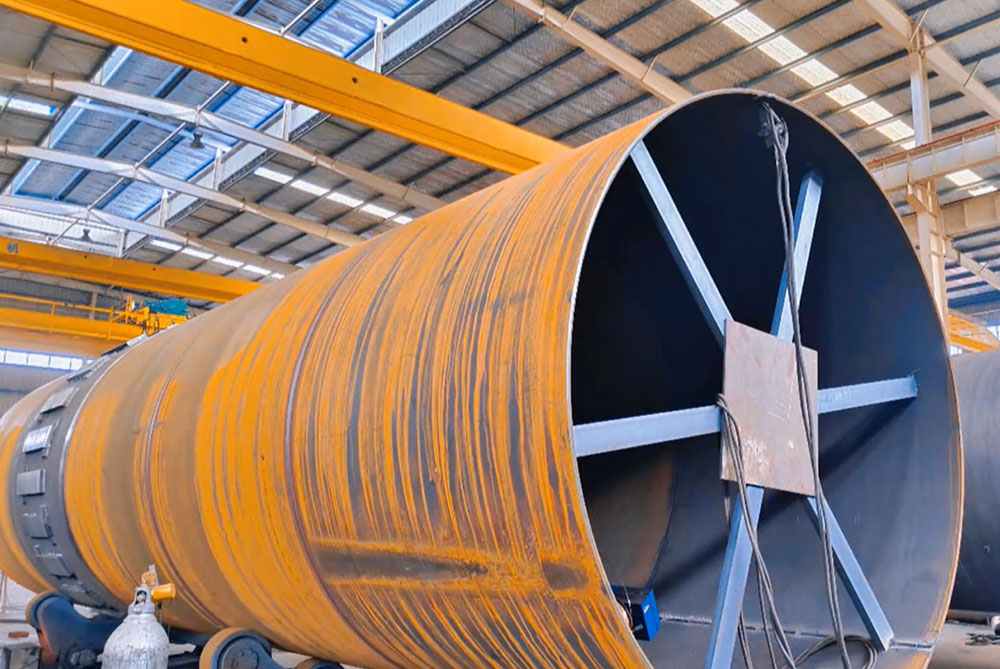
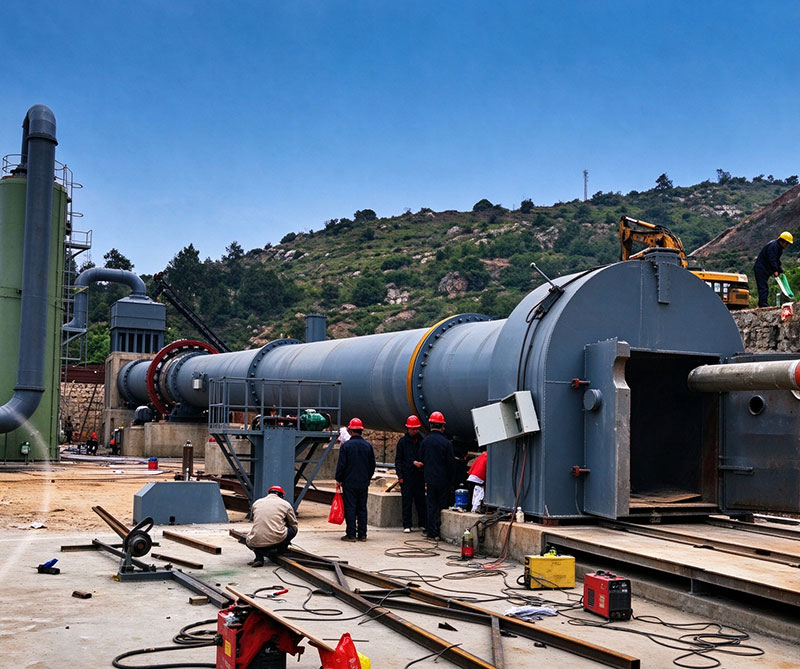
Rotary kiln assembly involves the relationship between the shell, supporting structure, drive system, and other components specified in the equipment design.
Depending on the kiln model and supply scope, assembly and verification activities may include checking component dimensions, reviewing the arrangement of support rollers, inspecting drive components, confirming mounting positions, and checking relevant alignment requirements.
The purpose of these checks is to verify that the components correspond to the approved drawings and applicable assembly requirements.
For buyers, photographs of actual assembly work are most useful when they identify the equipment or component being assembled. Where available, dimensional records and assembly inspection documents provide additional evidence beyond photographs alone.
4. Inspection and Quality Verification
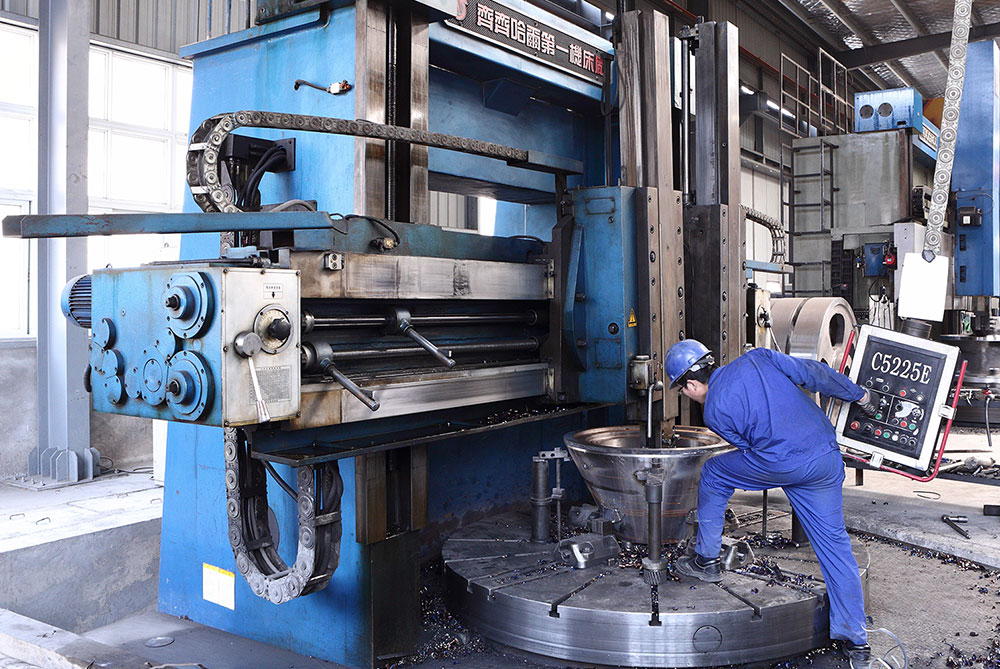
Quality verification should be linked to the actual technical requirements of the equipment. The applicable inspection items depend on the component, manufacturing method, design specifications, and contractual requirements.
Relevant records may include dimensional inspection reports, material documentation, welding inspection records, component inspection sheets, and assembly checklists, where these are generated as part of the actual manufacturing process.
Buyers should distinguish between a photograph showing an inspection activity and a formal inspection record documenting its results. Both can be useful, but they serve different purposes.
Where inspection reports are available, the equipment identification, inspection date, measured items, acceptance criteria, and recorded results should be consistent with the relevant project documentation.
5. Pre-Delivery Inspection Before Shipment
Before rotary kiln equipment is delivered, the applicable pre-delivery checks should be determined by the equipment design, purchase contract, and agreed inspection requirements.
Depending on the supply scope, checks may include verifying equipment identification, dimensions, component completeness, visible surface condition, specified accessories, and packaging or shipment preparation.
If a factory acceptance inspection or customer witness inspection is included in the contract, the inspection scope and acceptance criteria should be agreed in advance and recorded appropriately.
Buyers should request the applicable inspection documents and confirm which checks have been completed before shipment. Any test or inspection described as completed should be supported by the relevant records.
6. Manufacturing Evidence Buyers Can Request
When evaluating a rotary kiln manufacturer, international buyers can request documentation relevant to the proposed equipment and agreed supply scope.
Useful documents may include:
Approved equipment drawings and technical specifications
Material certificates or material identification records, where applicable
Dimensional inspection reports
Welding inspection records, where applicable
Assembly inspection checklists
Equipment identification and component lists
Pre-delivery inspection records
Packing lists and shipment documentation
Not every document applies to every rotary kiln or project. The applicable records should be identified in the technical agreement or purchase contract.
Henan Hongke Heavy Machinery Co., Ltd. can clarify which manufacturing and inspection documents are available for the equipment included in a specific quotation or order.
7. Matching Manufacturing Evidence with the Supplied Equipment
Manufacturing photographs and inspection documents are most valuable when buyers can connect them to the equipment under consideration.
When reviewing supplier evidence, buyers should check whether the photographs show the actual facility or production activity, whether the documents correspond to the relevant equipment, and whether the inspection results match the agreed technical requirements.
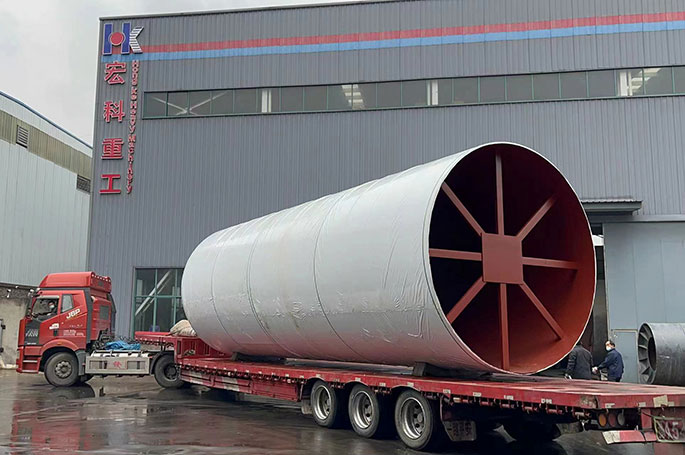
For project-specific verification, buyers can request equipment drawings, component identification, applicable inspection records, and a clearly defined supply scope before confirming an order.
This approach helps establish a clearer link between the manufacturer's stated capabilities and the equipment being purchased.
When comparing suppliers, buyers can also consult our Guide to Choosing a Reliable Lime Rotary Kiln Manufacturer for practical evaluation criteria and purchasing considerations.
8. Henan Hongke Heavy Machinery: Rotary Kilns and Related Equipment
Henan Hongke Heavy Machinery Co., Ltd. provides mining machinery, including rotary kilns, rotary dryers, ball mills, crushers, and related production line equipment.
For buyers planning a lime production project or another rotary kiln application, equipment selection should be based on the required capacity, raw material characteristics, process requirements, fuel conditions, and site-specific constraints.
The company can discuss equipment requirements and the proposed supply scope with customers preparing a new project, expanding an existing facility, or evaluating replacement equipment.
Buyers are encouraged to review the applicable technical specifications, manufacturing evidence, inspection documents, and contractual terms before making a purchasing decision.
Frequently Asked Questions
Does Henan Hongke Heavy Machinery manufacture rotary kilns?
Henan Hongke Heavy Machinery Co., Ltd. offers rotary kilns and related mining machinery. Buyers who need to verify the manufacturing scope for a particular model should request confirmation of the production location, fabrication responsibilities, assembly scope, and applicable inspection documentation.
How can buyers verify a rotary kiln manufacturer's production capability?
Buyers can review genuine workshop photographs, manufacturing records, equipment drawings, inspection reports, and evidence tied to the specific equipment being quoted. A factory visit or agreed third-party inspection may provide additional verification when appropriate.
What quality documents should be requested for a rotary kiln?
Depending on the equipment and contract, relevant documents may include approved drawings, material records, dimensional inspection reports, welding inspection records, assembly checklists, and pre-delivery inspection records. The exact list should be agreed before production or purchase.
Does every rotary kiln require the same inspection procedures?
No. Inspection requirements depend on the equipment design, materials, fabrication methods, applicable standards, and contractual specifications. Buyers should confirm the inspection scope and acceptance criteria for their particular project.
Contact Henan Hongke Heavy Machinery Co., Ltd.
If you are evaluating rotary kiln equipment for an industrial project, provide your required capacity, process requirements, raw material details, and preferred supply scope.
Contact Henan Hongke Heavy Machinery Co., Ltd. to discuss your equipment requirements and request the applicable technical specifications and manufacturing documentation.