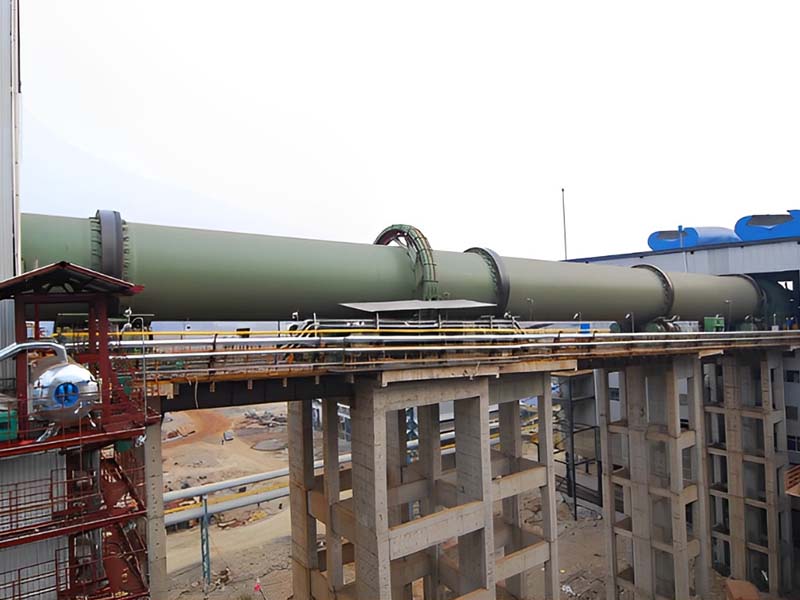
Sludge Drying Production Line
Henan Hongke Heavy Machinery Co., Ltd. provides sludge drying
production line solutions featuring rotary dryers for reducing
moisture in suitable municipal sludge, industrial sludge,
and other compatible sludge materials. The plant configuration
is determined by sludge characteristics, feed moisture,
required processing capacity, target final moisture,
heat source, and environmental requirements.
Overview of the Sludge Drying Production Line
A sludge drying production line is an industrial system designed
to reduce the moisture content of sludge generated by wastewater
treatment and selected industrial processes. Drying can reduce
the mass and volume of wet sludge and prepare the material for
suitable downstream handling, treatment, recovery, or disposal.
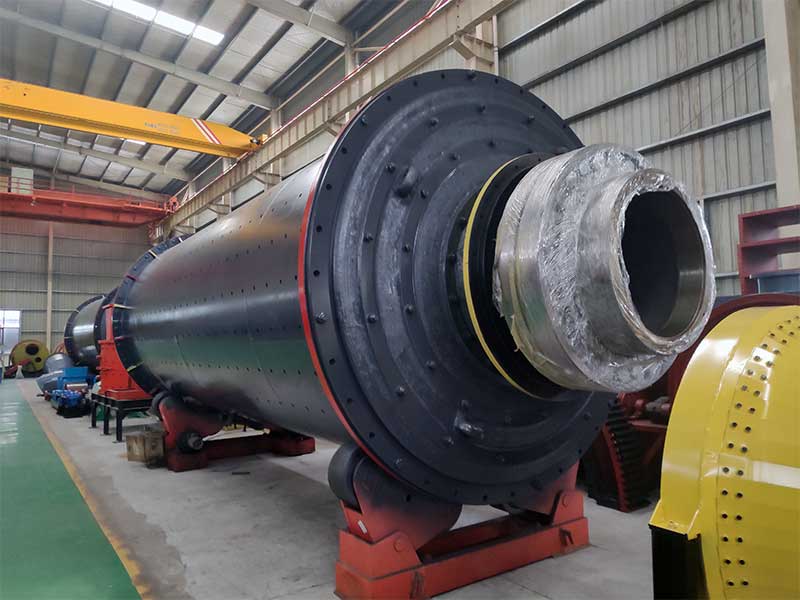
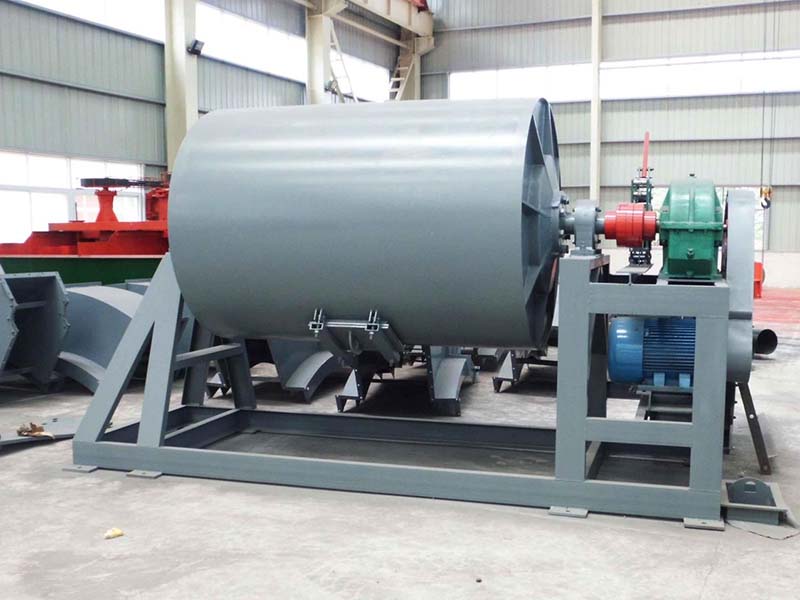
Henan Hongke Heavy Machinery Co., Ltd. specializes in mining
machinery and integrated production line solutions, including
rotary kilns, rotary dryers, ball mills, crushers, and related
equipment. For sludge drying applications, a project-specific
configuration may include sludge feeding and conditioning
equipment, a rotary dryer, a heat source, conveying equipment,
dust collection, and exhaust gas treatment systems.
Sludge properties vary significantly according to the source
and treatment process. Municipal sewage sludge, industrial
sludge, and organic sludge may differ in moisture content,
viscosity, organic matter, ash content, corrosiveness, and
heat sensitivity. These characteristics must be evaluated
before selecting the dryer and auxiliary equipment.
A suitable sludge drying plant is designed around the required
wet-feed throughput, initial moisture content, target final
moisture content, heat supply, and applicable environmental
and product-handling requirements. Actual drying performance
must be established through engineering calculations and,
where appropriate, representative material testing.
Sludge Drying Production Process
A typical sludge drying process includes feed preparation,
controlled feeding, thermal drying, dried material discharge,
and treatment of process dust and exhaust gas. The exact
process flow depends on sludge properties and the intended
downstream handling or treatment route.
1. Sludge Collection and Feed Preparation
Sludge is collected from the upstream treatment or production
process. Depending on its condition, pretreatment may include
thickening, mechanical dewatering, screening, mixing,
or other suitable conditioning steps.2. Sludge Feeding
The prepared sludge is transferred to the dryer through
a suitable feeding system. Equipment selection should
account for the sludge's moisture content, consistency,
flow characteristics, and tendency to adhere to equipment.3. Rotary Dryer Processing
The sludge enters the rotary drying system, where heat
is transferred to the material to evaporate moisture.
Dryer design, material movement, residence time, and
operating conditions are selected according to the
sludge characteristics and required throughput.4. Moisture Reduction
Water evaporates as the sludge receives thermal energy.
The target final moisture content is established according
to downstream handling, transport, recovery, or disposal
requirements. Actual performance depends on the feed
properties and process design.5. Dust Collection and Exhaust Gas Treatment
Exhaust gas and entrained particles are directed to
suitable collection and treatment equipment. Depending
on the sludge composition and process conditions,
additional treatment may be required for odors, volatile
compounds, or other contaminants.6. Dried Sludge Discharge and Conveying
The dried material is discharged and transferred to
a suitable storage, cooling, screening, packaging,
or downstream treatment system, where required.7. Storage, Recovery, or Final Disposal
The dried sludge is managed according to its composition,
contaminant levels, applicable regulations, and the
approved downstream treatment or disposal route.
Drying alone does not establish that the material is
safe for unrestricted reuse.
The final process design should define the sludge feed
condition, target moisture reduction, heat source, exhaust
gas treatment, odor control, and the requirements for
handling the dried product.
Main Equipment in a Sludge Drying Production Line
A sludge drying plant combines material feeding, thermal
drying, conveying, and environmental control equipment.
The required configuration depends on the sludge source,
moisture content, process capacity, and downstream
management requirements.
- Sludge Receiving Hopper:
Receives sludge from upstream treatment and provides
an interface for controlled feeding.
- Sludge Feeding System:
Transfers sludge into the drying system at a suitable
feed rate. The design must account for sludge consistency
and material handling characteristics.
- Pretreatment or Dewatering Equipment:
Optional equipment used to condition sludge or remove
part of the water mechanically before thermal drying.
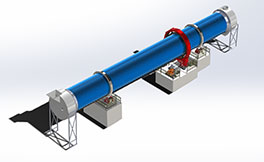
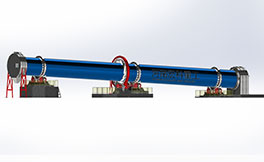
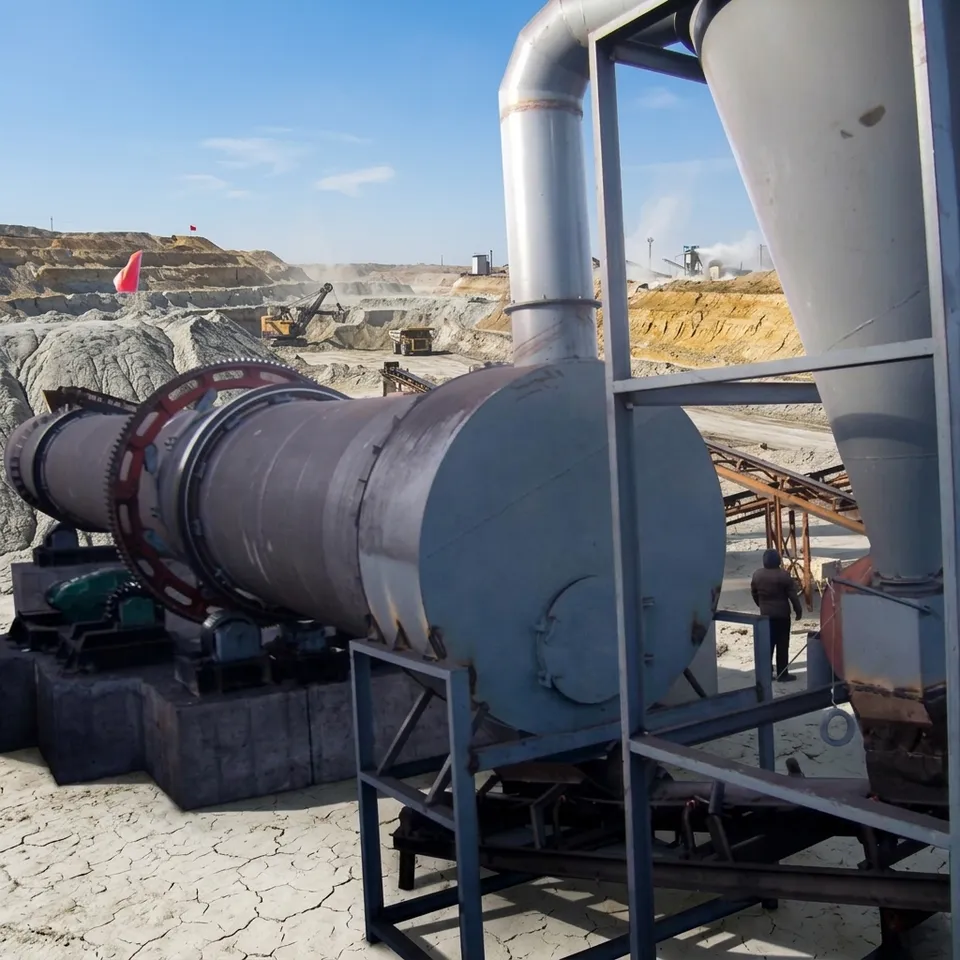
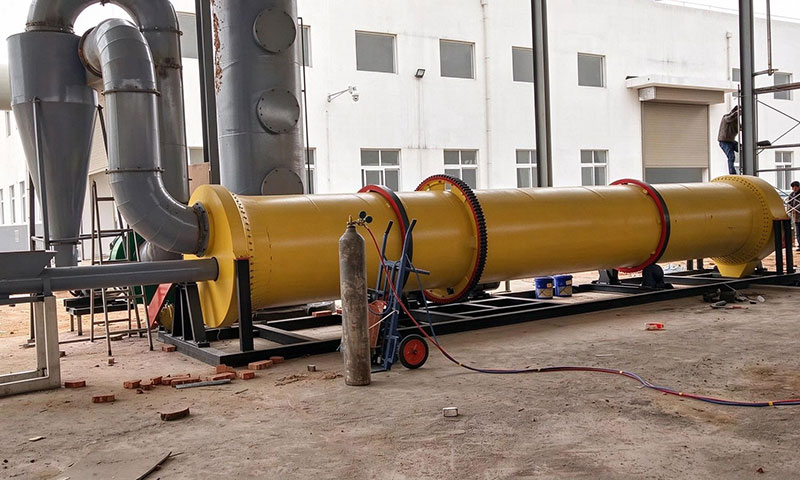
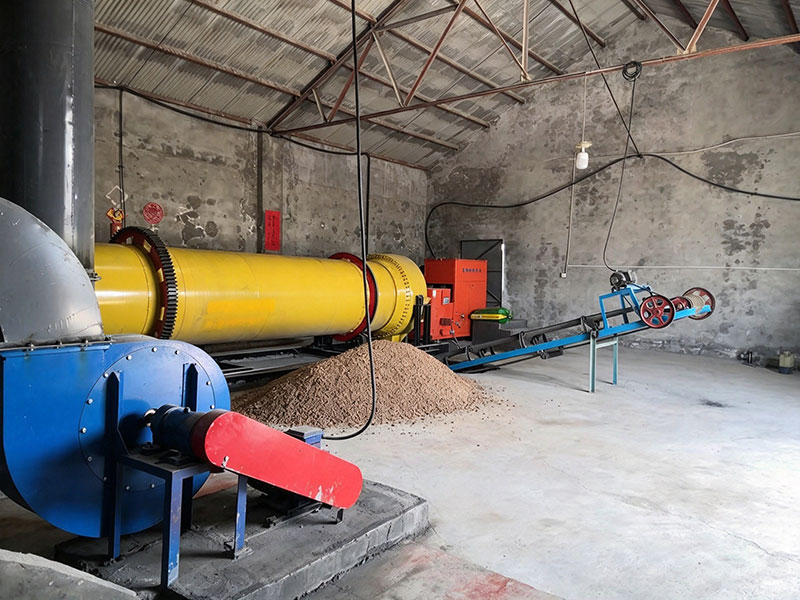
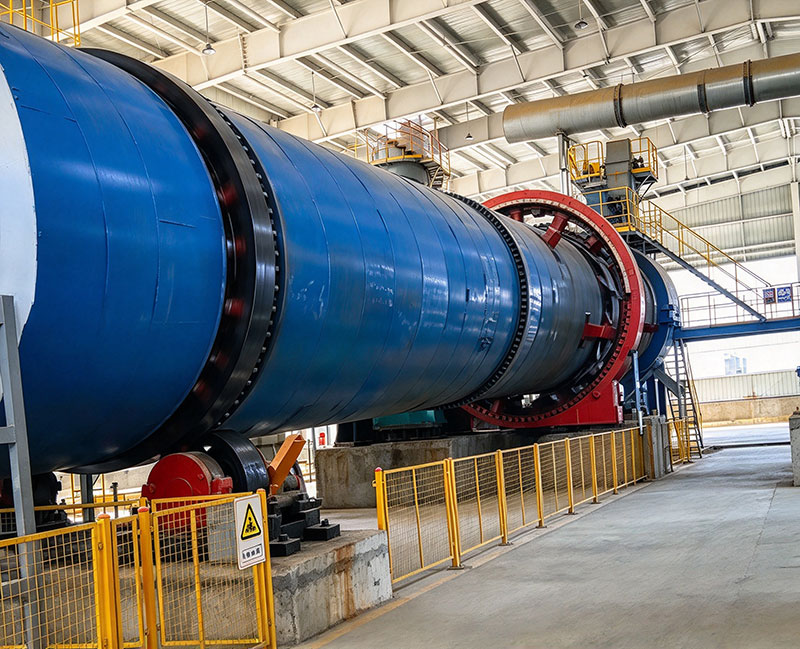
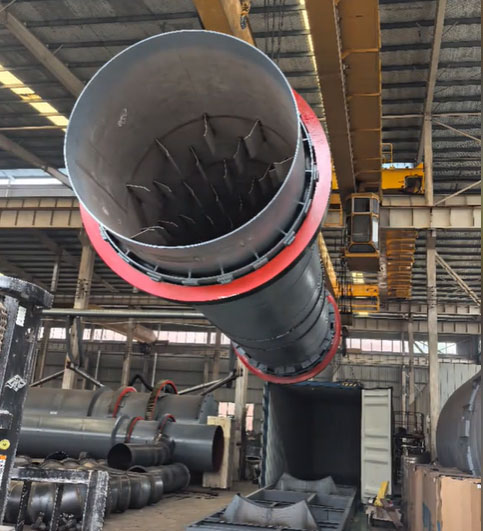
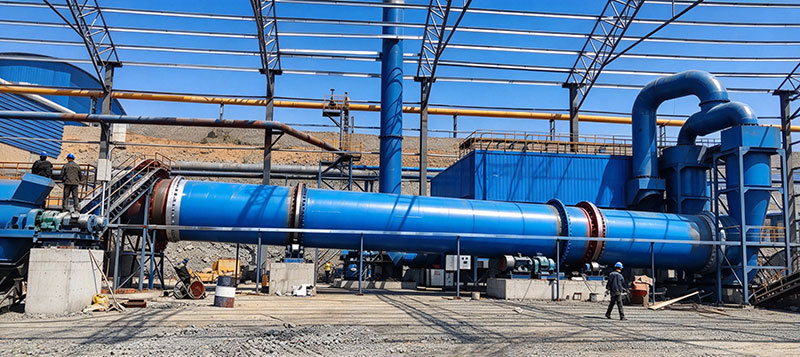
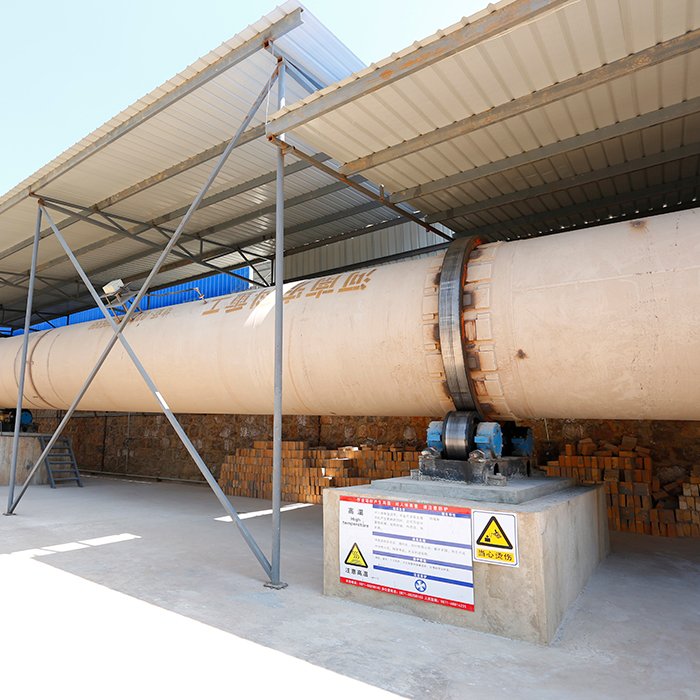
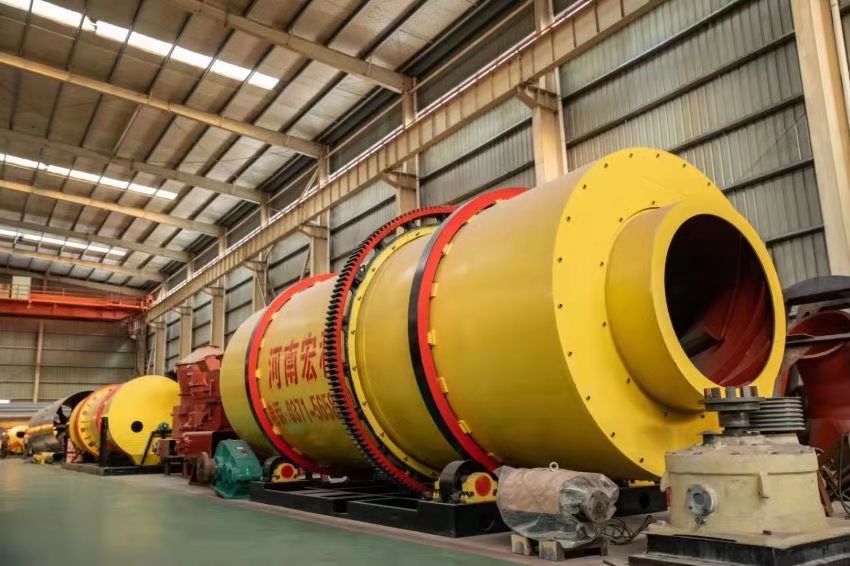
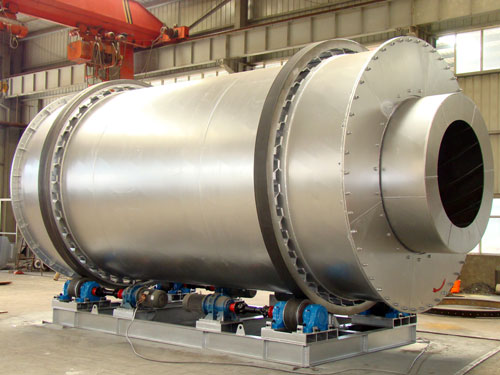
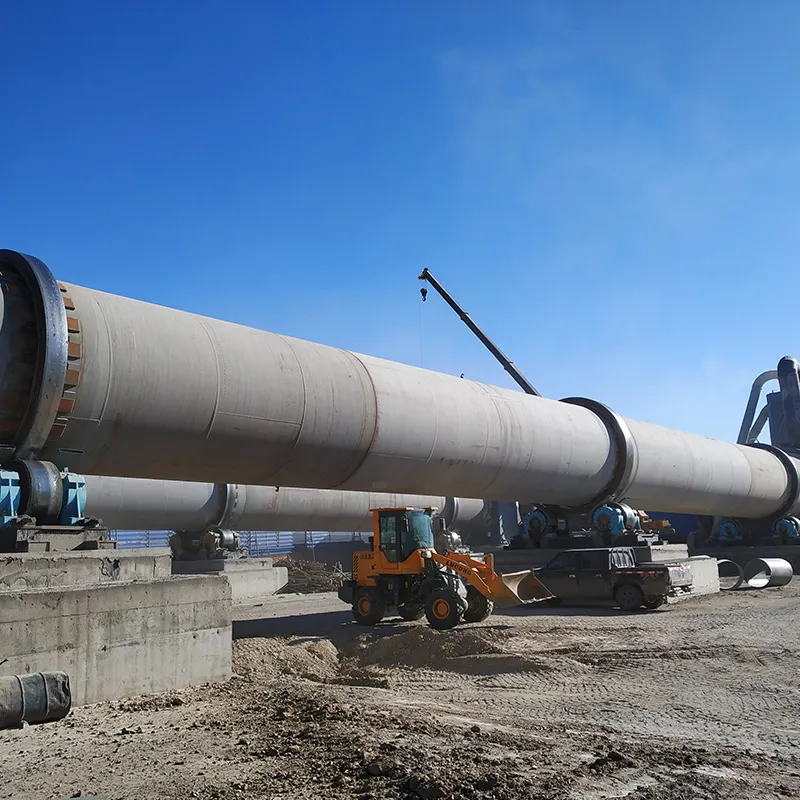
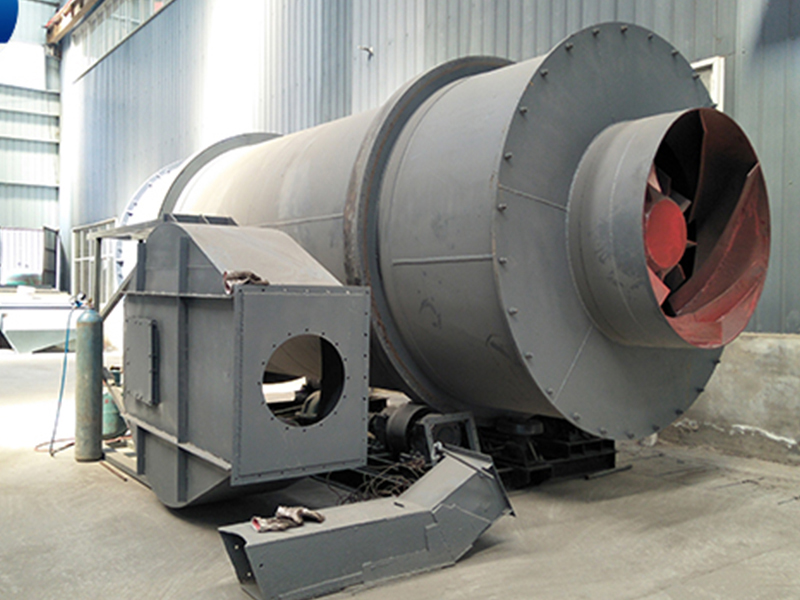
- Rotary Dryer:
Provides the main thermal drying process and reduces
moisture in the prepared sludge.
- Burner or Heat Supply System:
Supplies thermal energy according to the selected
dryer design, available fuel, and project requirements.
- Conveying Equipment:
Transfers wet sludge, dried material, or intermediate
products between processing stages.
- Dust Collection System:
Captures entrained particles from designated exhaust
points using equipment selected for the process.
- Exhaust Gas Treatment System:
Provides suitable gas treatment and, where required,
odor or contaminant control according to sludge
characteristics and local regulations.
- Electrical Control System:
Coordinates the operation of feeding, drying,
conveying, and auxiliary equipment according to
the selected automation scope.
Key Features of the Sludge Drying Production Line
Project-Specific Drying Capacity
The production line is configured according to wet-sludge
throughput, initial moisture content, target final moisture,
sludge properties, and heat supply. The required evaporation
capacity should be calculated before equipment selection.
Moisture Reduction for Easier Handling
Reducing sludge moisture can lower the mass and volume of
material requiring transport or subsequent processing.
The actual reduction depends on the initial and final
moisture contents and the solids content of the feed.
Rotary Dryer Configuration
A rotary dryer provides a rotating thermal processing system
for compatible sludge materials. Its suitability depends on
sludge consistency, stickiness, particle characteristics,
thermal behavior, and the required process conditions.
Optional Mechanical Dewatering
Where appropriate, mechanical dewatering can be considered
before thermal drying. Removing part of the water mechanically
may reduce the evaporation load, although the benefit depends
on sludge dewaterability, equipment performance, and operating
costs.
Integrated Dust and Exhaust Gas Treatment
Suitable dust collection and exhaust gas treatment equipment
can be incorporated into the plant. The system should be
selected according to the sludge composition, exhaust
characteristics, odor potential, and applicable emission
requirements.
Flexible Downstream Handling
The dried sludge handling system can be configured for
storage, conveying, screening, packaging, or transfer to
a subsequent treatment process, depending on the material
characteristics and approved destination.
Project-Specific Equipment Coordination
Henan Hongke Heavy Machinery Co., Ltd. provides mining
machinery and associated production line solutions.
The scope of sludge drying equipment, auxiliary systems,
engineering coordination, installation guidance, and
other services should be confirmed for each project.
Sludge Drying Production Line Technical Specifications
The following table outlines the main parameters used when
selecting a sludge drying production line. Actual values
must be confirmed through project-specific engineering and
representative sludge testing where necessary.
| Parameter | Specification |
|---|
| Production Line Type | Rotary Dryer Sludge Drying Production Line |
|---|
| Model | Customized according to project requirements |
|---|
| Processing Capacity | Project-specific; confirm wet-feed or dried-product basis |
|---|
| Raw Material | Suitable Municipal Sludge, Industrial Sludge,
and Other Compatible Sludge Materials |
|---|
| Main Equipment | Feeding System, Rotary Dryer, Heat Supply System,
Conveying Equipment, Dust Collection, and Exhaust
Gas Treatment Equipment as required |
|---|
| Initial Moisture Content | To be determined by representative feed analysis |
|---|
| Target Final Moisture Content | Specified according to the intended downstream process |
|---|
| Dry Solids Content | Determined by sludge source and feed analysis |
|---|
| Drying Method | Rotary Drum Thermal Drying, subject to material suitability |
|---|
| Heat Source | Selected according to dryer design, available fuel,
and project conditions |
|---|
| Evaporation Capacity | Calculated from feed rate and moisture reduction requirements |
|---|
| Installed Power | Confirmed according to the final equipment configuration |
|---|
| Dust Collection | Selected according to dust loading, gas conditions,
and environmental requirements |
|---|
| Exhaust Gas Treatment | Configured according to sludge composition,
exhaust characteristics, and local regulations |
|---|
| Plant Layout | Designed according to site conditions and process flow |
|---|
| Control System | Selected according to project automation requirements |
|---|
Technical note: Processing capacity, evaporation capacity,
installed power, fuel consumption, and final moisture
content cannot be specified reliably without defining
the sludge type and operating conditions. Wet-feed
throughput must be distinguished from dried-product
throughput. Final specifications and any performance
guarantees must be established in the approved technical
proposal.
Applications of the Sludge Drying Production Line
Sludge drying can be used as a moisture reduction step in
wastewater treatment, selected industrial waste management
processes, and resource recovery systems. The appropriate
downstream route depends on sludge composition, contaminant
levels, local regulations, and the receiving facility's
acceptance criteria.
- Municipal Wastewater Treatment:
Reducing moisture in suitable sewage sludge before
further treatment, transport, or disposal.
- Industrial Wastewater Treatment:
Processing compatible sludge generated by industrial
wastewater treatment facilities.
- Industrial Waste Management:
Reducing the moisture content of suitable process sludge
to support subsequent handling or treatment.
- Resource Recovery:
Preparing eligible dried sludge for a permitted recovery
route when its composition and applicable regulations
allow such use.
- Thermal Treatment Preparation:
Reducing moisture before an appropriate downstream
thermal treatment process, subject to facility design
and acceptance requirements.
- Sludge Transportation and Storage:
Reducing the amount of water transported and improving
handling characteristics where the resulting material
is suitable for the intended system.
Drying does not by itself remove all contaminants, sterilize
sludge, or establish that the dried product is suitable for
agricultural use, fuel production, or unrestricted disposal.
These decisions require appropriate testing and regulatory
assessment.
How to Select a Suitable Sludge Drying Production Line
Selecting a suitable sludge drying plant requires detailed
information about the sludge, moisture reduction target,
energy supply, and environmental requirements. The following
information supports preliminary equipment selection.
- Sludge Source and Type:
Identify whether the sludge comes from municipal wastewater
treatment, industrial wastewater treatment, or another
process. Provide relevant process and composition data.
- Wet-Sludge Throughput:
Specify the required hourly or daily feed rate and
distinguish wet-feed capacity from dried-product output.
- Initial Moisture Content:
Provide representative moisture measurements and,
where available, total solids and volatile solids data.
- Target Final Moisture:
Define the required final moisture content based on
the intended downstream handling or treatment process.
- Sludge Characteristics:
Provide information about viscosity, stickiness,
particle properties, ash content, corrosiveness,
and relevant chemical constituents.
- Heat Source and Utilities:
Specify available fuel, electricity supply, and
operating constraints relevant to the drying system.
- Exhaust Gas and Odor Control:
Identify applicable environmental standards and any
requirements for dust, odor, volatile compounds,
or other process emissions.
- Final Material Destination:
Explain whether the dried sludge will be transported,
further treated, recovered, or disposed of, subject
to applicable regulations and acceptance criteria.
- Site Conditions:
Provide the project location, available installation
area, existing treatment facilities, and relevant
infrastructure information.
About Henan Hongke Heavy Machinery Co., Ltd.
Henan Hongke Heavy Machinery Co., Ltd. focuses on one-stop
solutions for mining machinery, including rotary kilns,
rotary dryers, ball mills, crushers, and corresponding
production lines.
For sludge drying projects, equipment selection should
be based on sludge characteristics, feed rate, initial
and target moisture content, heat source, exhaust gas
treatment requirements, and the intended downstream
handling route.
A project-specific technical proposal can define the
rotary dryer configuration, feeding and conveying
equipment, heat supply, dust collection, and other
required auxiliary systems. The available engineering
scope and project services should be confirmed for
each application.
Frequently Asked Questions About Sludge Drying Production Lines
1. What is a sludge drying production line?
A sludge drying production line is a system that reduces
moisture in suitable sludge using thermal drying and
associated material handling equipment. A typical line
includes a feeding system, dryer, heat source, conveying
equipment, and suitable dust and exhaust gas treatment.
2. What types of sludge can a rotary dryer process?
A rotary dryer may be suitable for certain municipal,
industrial, or organic sludge materials, depending on
their physical and chemical characteristics. Sludge
stickiness, moisture, solids content, corrosiveness,
and thermal behavior should be assessed before equipment
selection.
3. How is sludge drying capacity determined?
Capacity depends on wet-feed throughput, initial moisture,
target final moisture, sludge characteristics, heat input,
and operating conditions. Engineering calculations should
distinguish wet sludge feed from dried-product output
and determine the required evaporation capacity.
4. Why is initial moisture content important?
Initial moisture content determines how much water must
be removed to reach the target final moisture. Two sludge
materials with the same wet-feed rate can require
significantly different drying capacities if their
moisture contents differ.
5. Can sludge be mechanically dewatered before drying?
Yes, where the sludge is suitable for mechanical dewatering.
Removing part of the water before thermal drying may reduce
the evaporation load. The overall benefit depends on
dewatering performance, equipment costs, and operating
conditions.
6. What environmental equipment may be required?
Depending on sludge composition and local requirements,
the plant may need dust collection, exhaust gas treatment,
odor control, and monitoring provisions. The required
system should be determined from the expected exhaust
characteristics and applicable regulations.
7. Can dried sludge be reused as fuel or fertilizer?
Not automatically. Potential reuse depends on the sludge
composition, contaminant levels, applicable standards,
and the requirements of the receiving facility.
Drying reduces moisture but does not by itself establish
product safety or regulatory suitability.
8. What information is needed for a sludge dryer quotation?
Provide the sludge source, wet-feed rate, initial moisture,
target final moisture, solids content, available heat source,
project location, and environmental requirements. Relevant
laboratory analyses and representative material testing
can help establish a suitable preliminary configuration.
Request a Sludge Drying Production Line Proposal
Planning a sludge drying project? Contact Henan Hongke
Heavy Machinery Co., Ltd. with your sludge source,
required processing capacity, initial and target moisture
content, available heat source, and project location.
These details help determine the preliminary rotary dryer
configuration, required evaporation capacity, auxiliary
equipment, and environmental control measures.
Recommended inquiry details:
Sludge type, wet-feed throughput, initial moisture,
target final moisture, solids content, heat source,
exhaust treatment requirements, and project location.