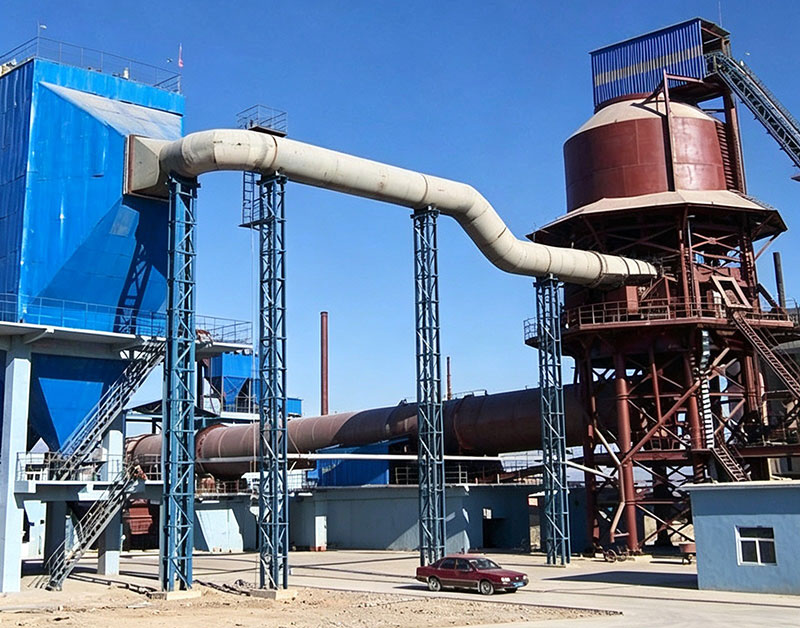
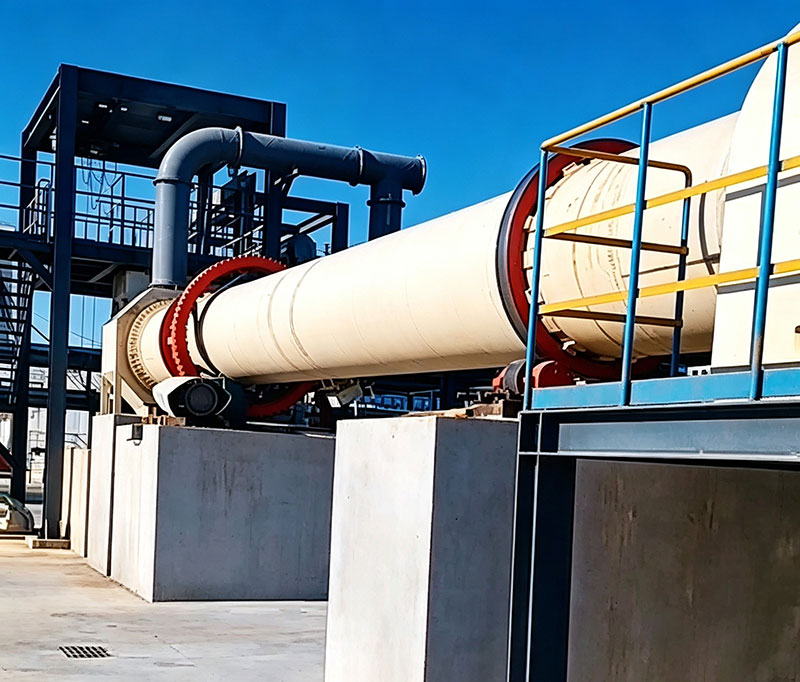
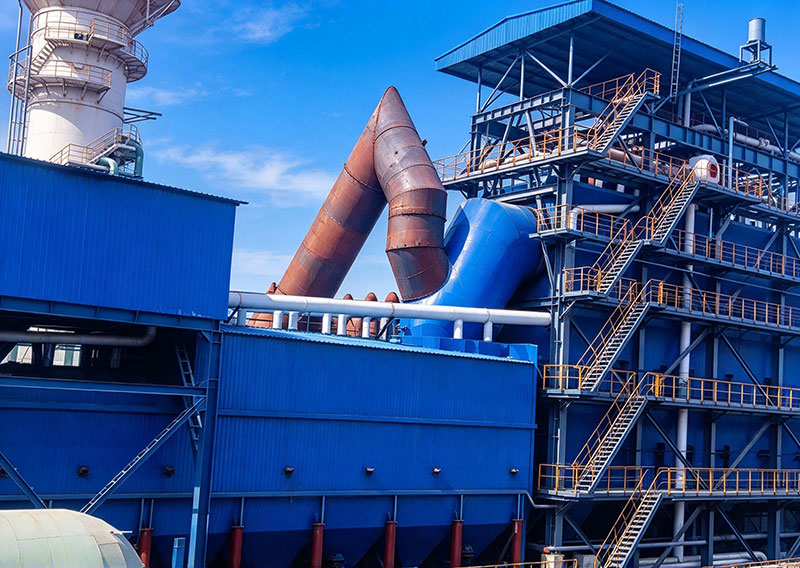
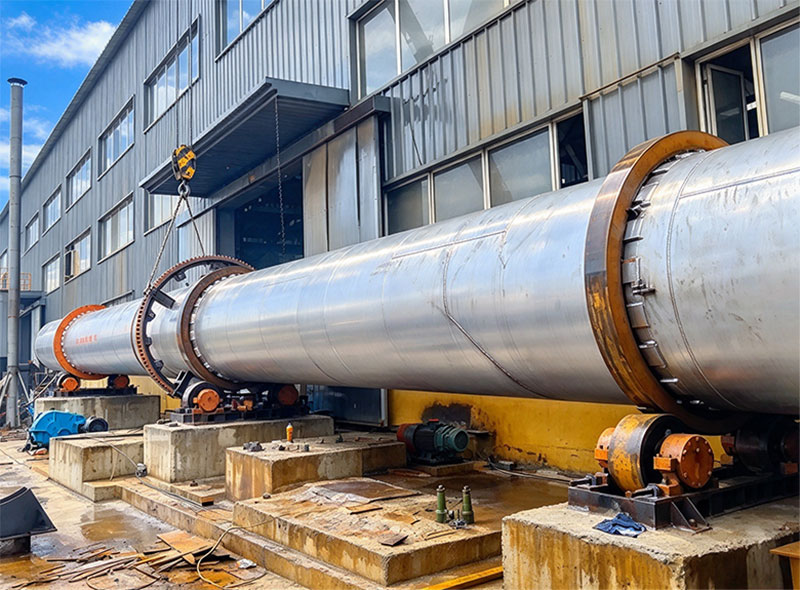
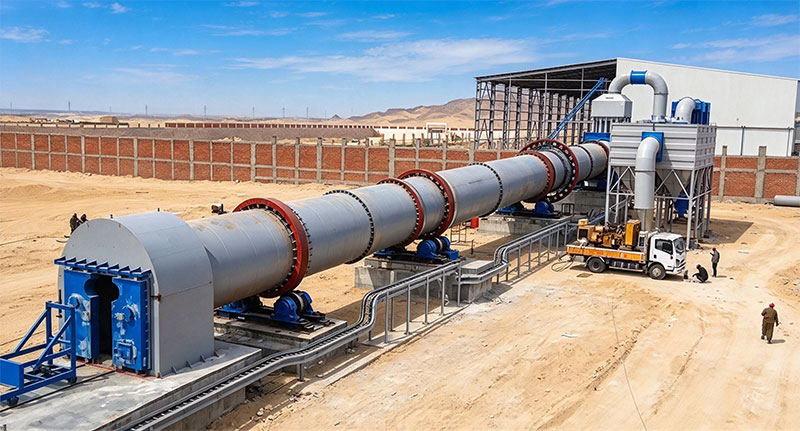
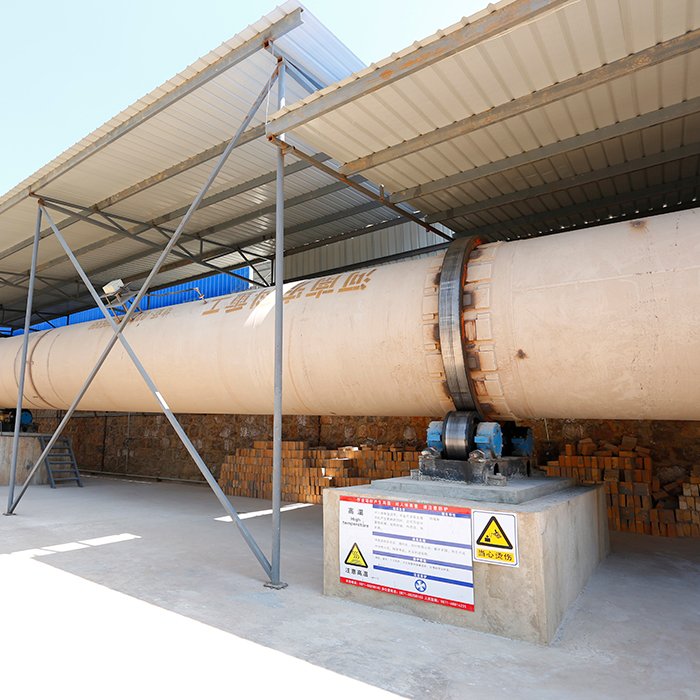
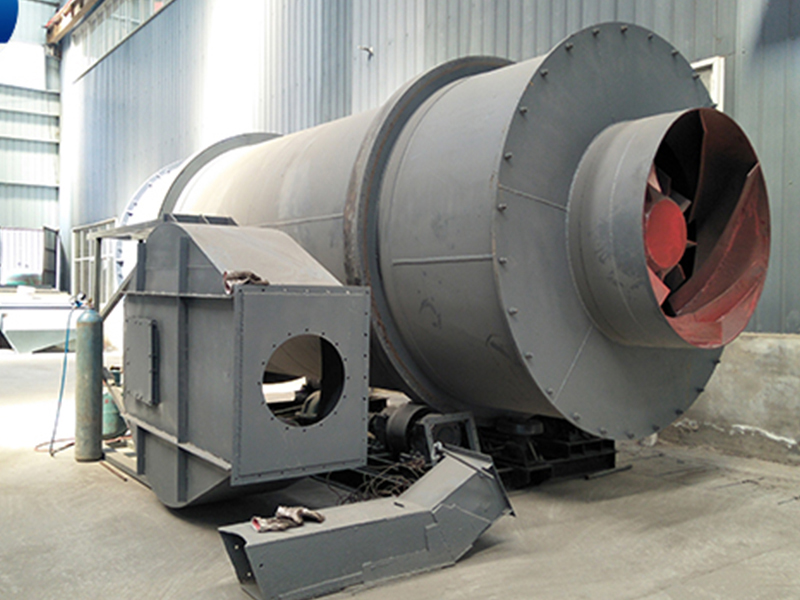
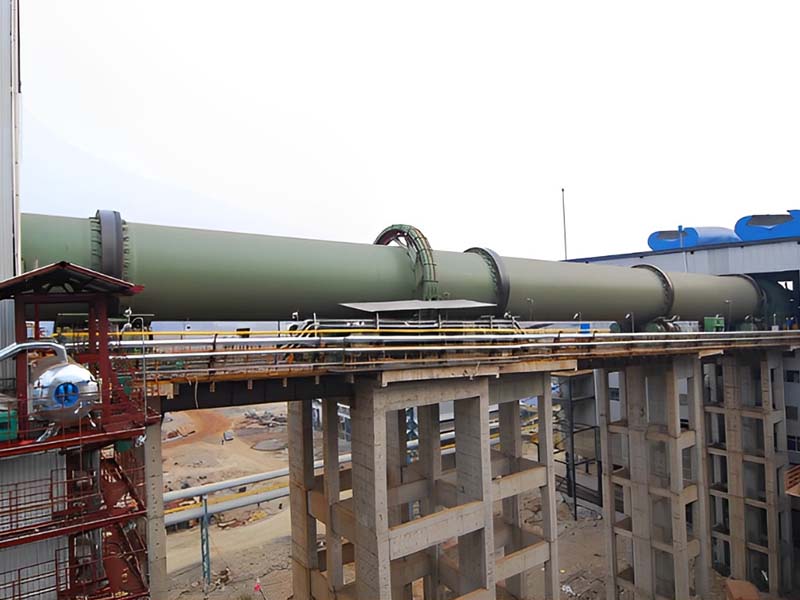
Overview of Quartz Vein Gold Ore Processing Plant
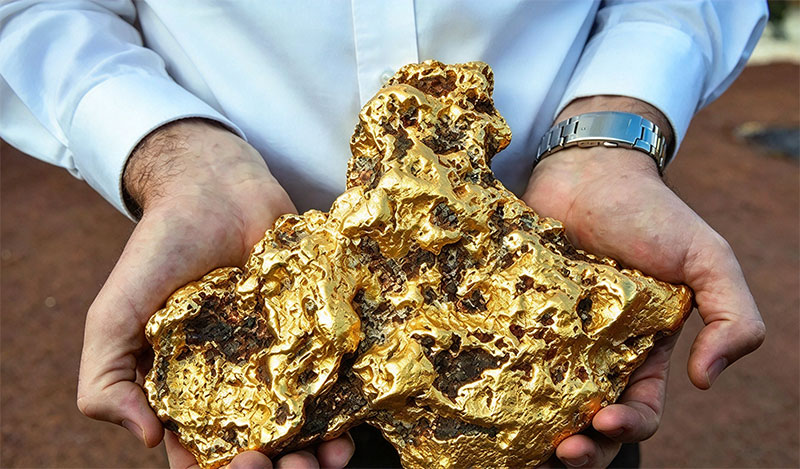
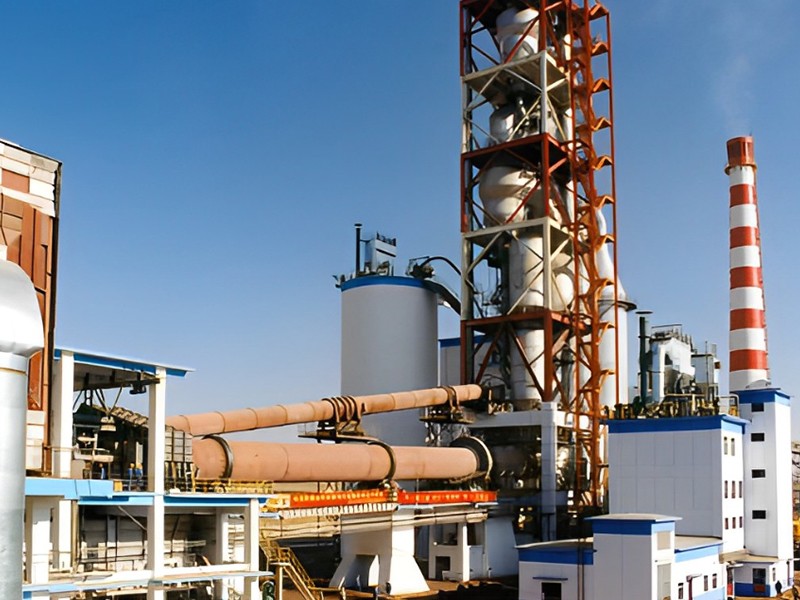
A Quartz Vein Gold Ore Processing Plant is designed to recover gold from primary gold ores hosted in quartz veins. This type of ore commonly contains native gold, which may occur as free gold or be associated with sulfide minerals such as pyrite. The gold particle size, degree of liberation, sulfide content, and ore characteristics determine the appropriate beneficiation process.
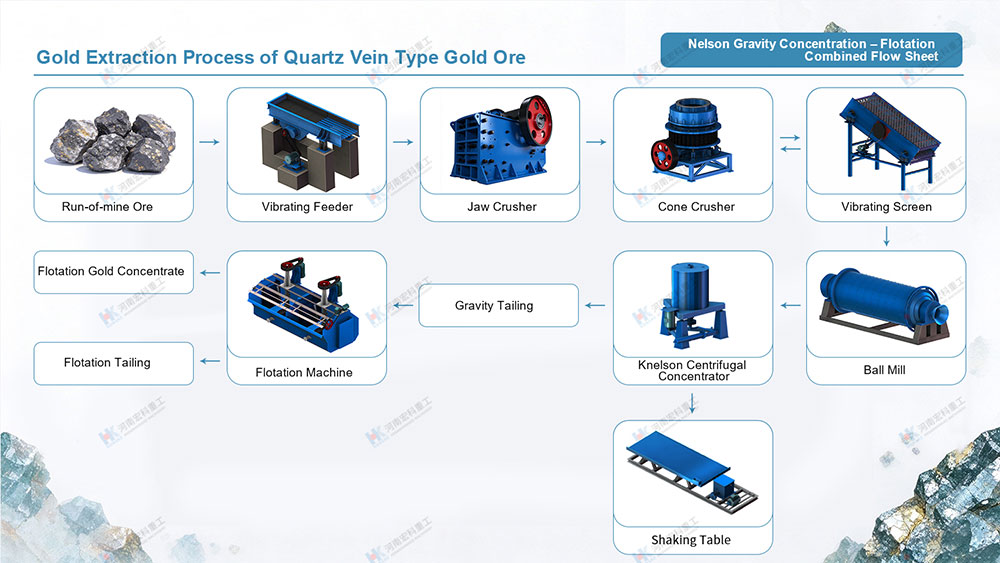
For suitable low-sulfur and low-arsenic quartz vein gold ores, Henan Hongke Heavy Machinery Co., Ltd. recommends evaluating a combined gravity separation and flotation process. The typical flowsheet consists of crushing and screening, grinding and classification, centrifugal gravity concentration, and flotation.
The principle of this process is to recover liberated coarse gold as early as possible through gravity separation, while using flotation to recover finer gold particles and gold-bearing sulfide minerals from the gravity separation tailings. This combined approach helps address the different occurrence characteristics of coarse and fine gold in the same ore.
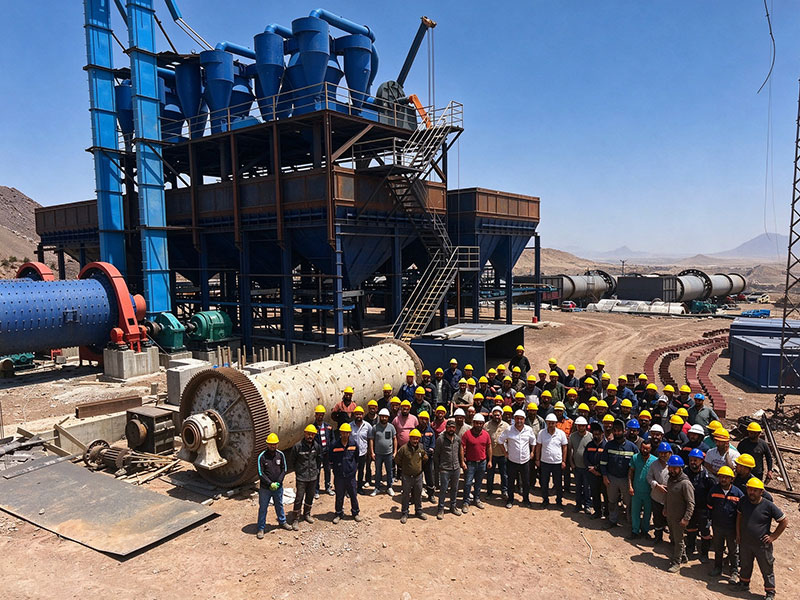
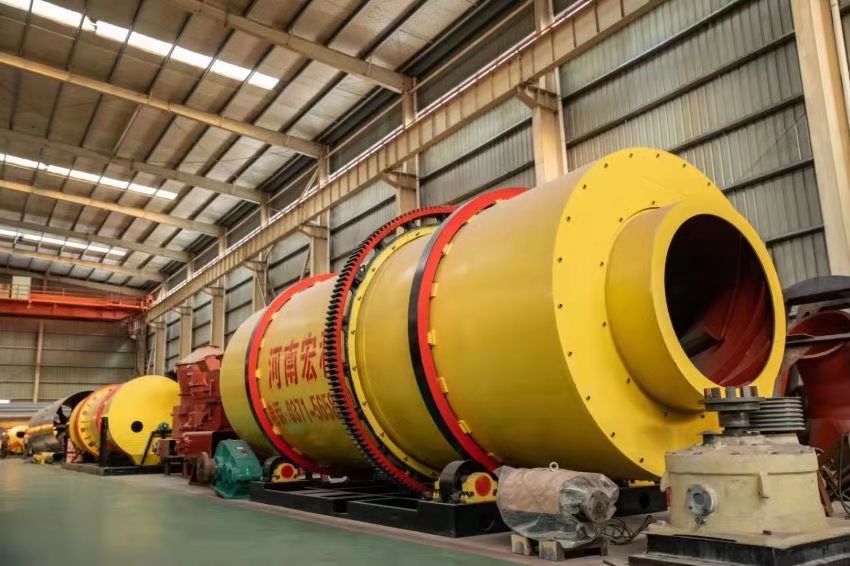
Henan Hongke Heavy Machinery Co., Ltd. provides equipment solutions for mineral processing projects, including crushers, ball mills, classifiers, centrifugal concentrators, shaking tables, flotation machines, thickeners, filter presses, and related auxiliary equipment. The final plant configuration is customized according to ore test results, target processing capacity, site conditions, and product requirements.
Important: The gravity-flotation flowsheet is a recommended route for suitable quartz vein gold ores, not a universal solution for all gold deposits. Final process selection and equipment configuration should be based on mineralogical analysis and beneficiation test results.
Suitable Ore Characteristics
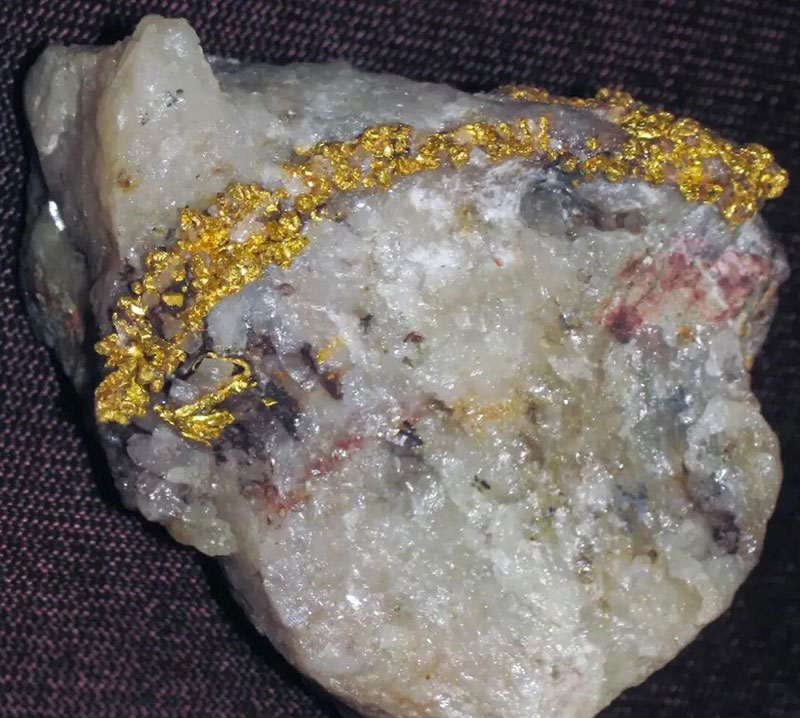
This processing solution is primarily intended for quartz vein-type primary gold ores with the following characteristics:
- Gold occurs mainly as native gold.
- Some gold is present in a liberated state, while another portion may be associated with sulfide minerals such as pyrite.
- The ore has relatively low sulfide and arsenic contents.
- Both coarse and fine gold particles may be present.
- The ore has a manageable clay content and can be processed through conventional crushing and grinding equipment.
- Gravity separation can recover part of the liberated coarse gold, while flotation can recover finer gold and gold-bearing sulfides.
The actual suitability of the process depends on gold particle size, mineral associations, liberation characteristics, clay content, and the presence of potentially interfering minerals.
Working Process of a Quartz Vein Gold Beneficiation Plant
A typical gravity-flotation gold processing plant consists of the following stages. The exact equipment arrangement and process parameters should be determined through ore testing and process design.
1. Crushing and Screening
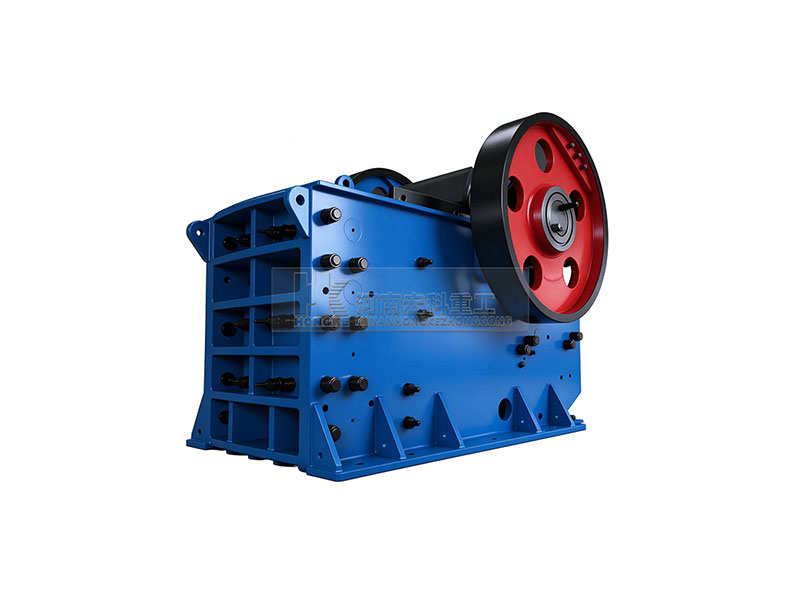
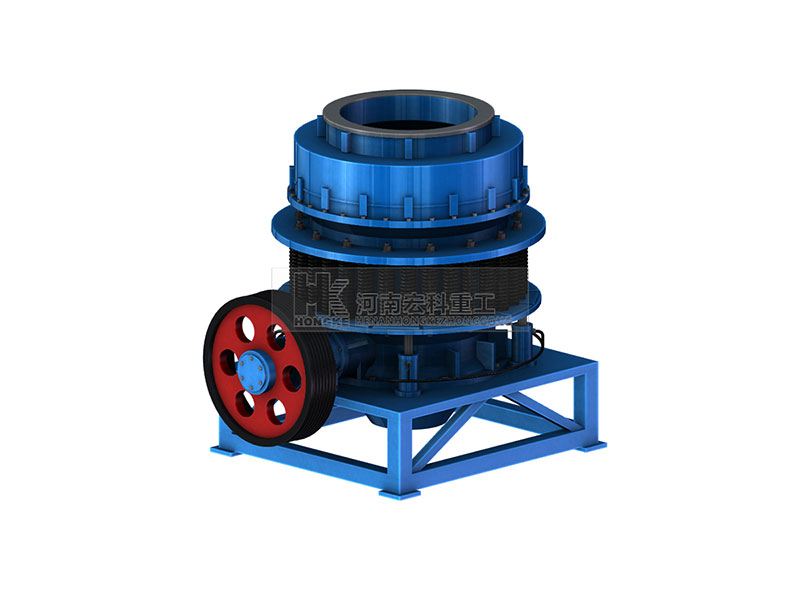
Run-of-mine gold ore is fed into the primary crushing section by a vibrating feeder. A jaw crusher performs primary crushing, followed by a cone crusher for secondary or fine crushing.
A vibrating screen separates the crushed material according to the required particle size. Oversized material is returned to the crushing equipment to form a closed-circuit crushing system. This arrangement helps control the feed size entering the grinding section.
2. Grinding and Classification
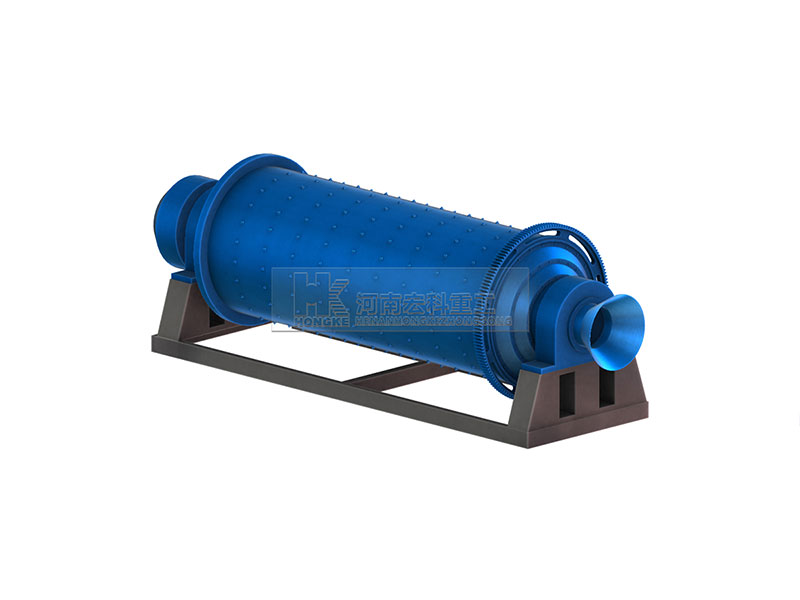
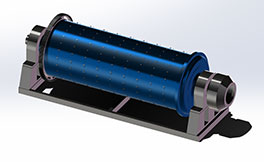
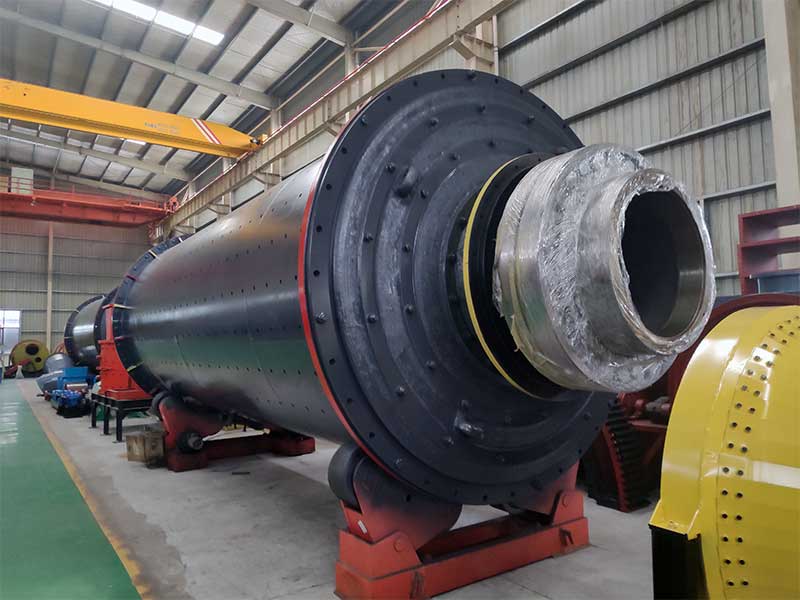
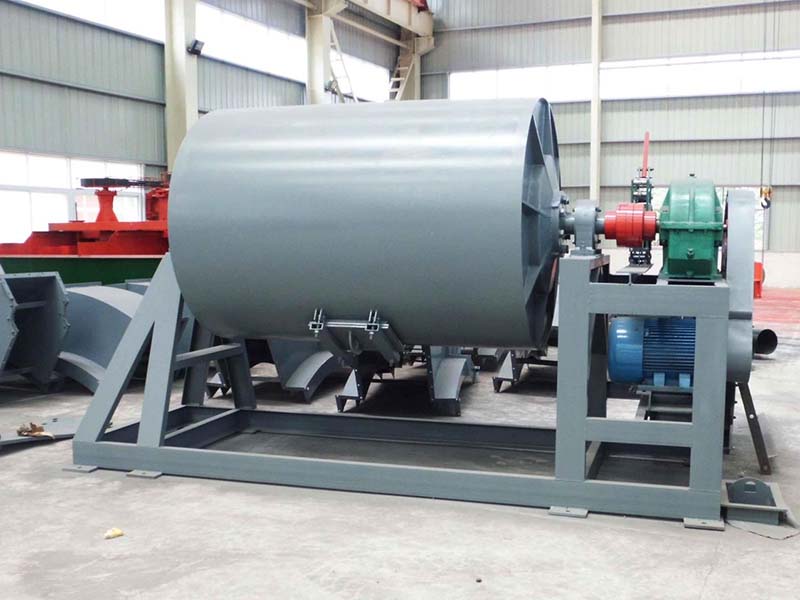
The crushed ore is conveyed to a ball mill for grinding. The ball mill operates in a closed circuit with a spiral classifier or hydrocyclone, depending on the plant design.
Grinding fineness is determined by the gold particle size, mineral association, and liberation characteristics. The objective is to liberate gold and gold-bearing minerals while avoiding unnecessary overgrinding, which may cause fine gold to become difficult to recover through subsequent separation stages.
The grinding and classification system should be designed according to laboratory tests and, where necessary, continuous or pilot-scale test results.
3. Centrifugal Gravity Concentration
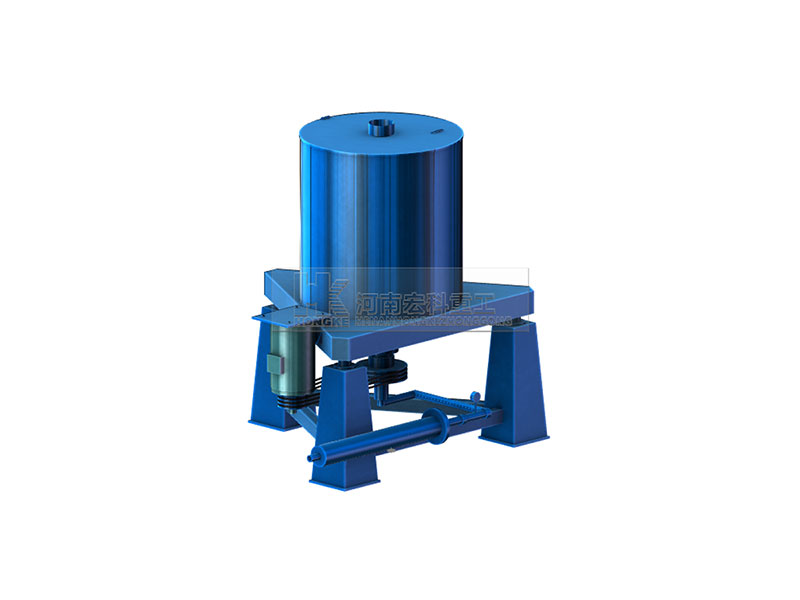
The classified grinding product is directed to a centrifugal concentrator for gravity separation, where the process arrangement and feed point are determined by the grinding circuit design.
Under centrifugal force, liberated gold particles with higher density can be concentrated and separated from lighter gangue minerals. This stage is intended to recover suitable coarse and liberated native gold at an early point in the process.
The gravity concentrate may be further upgraded using a shaking table or another suitable cleaning device to obtain a higher-grade gold concentrate.
Early gravity recovery can reduce the amount of liberated coarse gold reporting to downstream flotation and tailings. The actual recovery performance depends on gold particle size, liberation, feed conditions, and equipment selection.
4. Flotation of Gravity Separation Tailings
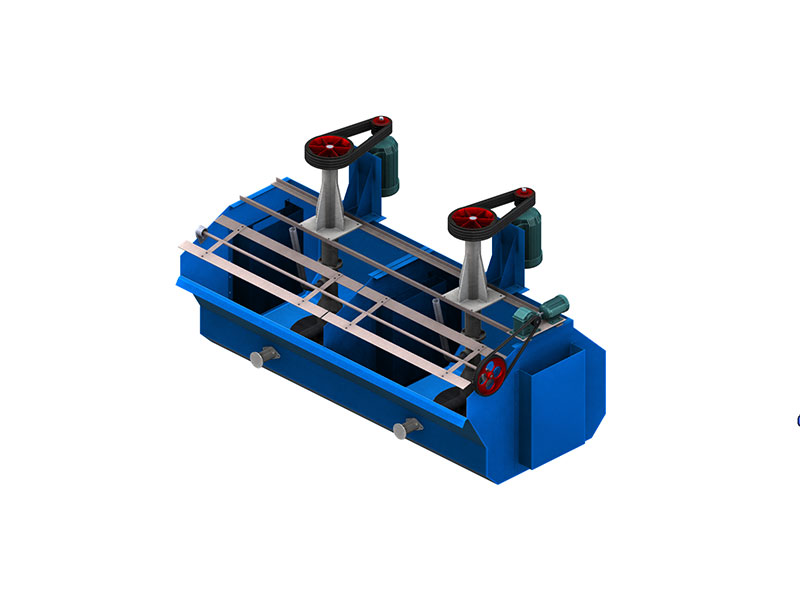
The tailings from the gravity separation stage are transferred to the flotation circuit for the recovery of fine gold and gold-bearing sulfide minerals.
A typical flotation circuit may include rougher, scavenger, and cleaner stages. Flotation reagents such as collectors and frothers are selected according to the ore properties. Activators, regulators, or other modifiers may be added when required by test results.
The reagent scheme, dosage, pulp density, pH, flotation time, and cell configuration must be established through flotation tests. They should not be treated as fixed values for all quartz vein gold ores.
5. Gold Concentrate Dewatering and Handling
The gravity gold concentrate and flotation gold concentrate can be handled separately according to their quality and downstream treatment requirements.
Suitable dewatering equipment may be selected to reduce moisture before the concentrates are transported for further metallurgical treatment or sale. The final concentrate handling arrangement depends on product specifications, transportation conditions, and the customer's downstream processing route.
6. Tailings Thickening and Dewatering
Flotation tailings are transferred to a thickener for solid-liquid separation. The thickened tailings may then be treated by a filter press or other suitable dewatering equipment.
Depending on the project conditions and environmental requirements, the dewatered tailings may be managed through dry stacking, an approved tailings storage facility, or backfilling where technically and legally suitable.
Process water can be recovered from the thickening and dewatering stages and returned to the plant where appropriate. The water balance and tailings management system should be designed according to site conditions and local environmental regulations.
Main Equipment in a Quartz Vein Gold Processing Plant
The main equipment configuration is determined by the ore properties, target throughput, grinding requirements, beneficiation test results, and project scope.
1. Feeding and Crushing System
- Vibrating Feeder
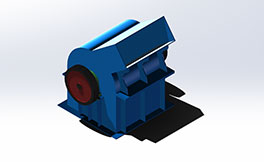
- Jaw Crusher
- Cone Crusher
- Vibrating Screen
- Belt Conveyor
These machines are used for ore feeding, primary and secondary crushing, screening, and material transfer. The crushing circuit is configured to provide a suitable feed size for grinding.
2. Grinding and Classification System
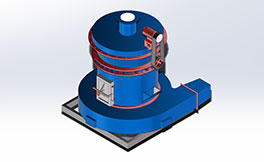
- Ball Mill
- Spiral Classifier
- Hydrocyclone
- Slurry Pump
The grinding and classification system reduces ore particle size and controls the separation between coarse and fine particles. The selected grinding fineness must be based on gold liberation tests.
3. Gravity Separation System
- Centrifugal Concentrator
- Shaking Table
- Spiral Chute, Where Suitable
The centrifugal concentrator is used to recover liberated gold particles from a suitable feed stream. A shaking table may be used for further cleaning of gravity concentrate. A spiral chute may be considered only where the particle size and mineral characteristics make it suitable.
4. Flotation System
- Flotation Machine
- Reagent Mixing Tank
- Reagent Dosing System
- Slurry Pumps and Supporting Equipment
The flotation system recovers fine gold and gold-bearing sulfide minerals from gravity separation tailings. The number of flotation stages and reagent arrangement are established through beneficiation tests.
5. Concentrate and Tailings Dewatering System
- Thickener
- Filter Press
- Concentrate Dewatering Equipment, as Required
- Slurry Pumps and Conveyors
These systems are used for concentrate dewatering, tailings thickening, and tailings filtration. The final arrangement depends on the concentrate handling method and tailings disposal plan.
6. Auxiliary and Control Systems
- Feed Hoppers and Storage Bins
- Belt Conveyors
- Slurry Pumps and Pipelines
- Electrical Control System
- Process Monitoring Instruments
Auxiliary equipment supports material transfer, slurry circulation, process control, and stable plant operation.
Equipment configuration note: The equipment listed above represents a typical gravity-flotation arrangement. The final equipment list, model, quantity, and installation layout must be determined according to the ore test results and project requirements.
Key Features of the Quartz Vein Gold Processing Solution
Early Recovery of Liberated Coarse Gold
Centrifugal gravity separation is used to recover suitable liberated coarse gold before it is exposed to further downstream processing. This can help reduce the risk of coarse gold losses associated with unnecessary overgrinding or inefficient recovery in later stages.
Combined Gravity and Flotation Recovery
Gravity separation targets liberated gold particles with suitable size and density characteristics, while flotation recovers fine gold and gold-bearing sulfide minerals. The combined process is designed to address different gold occurrence characteristics within the same ore.
Flexible Process Configuration
The grinding fineness, gravity separation stages, flotation circuit, and reagent scheme can be adjusted according to mineralogical analysis and beneficiation test results. Single-stage or multi-stage gravity separation and different rougher, scavenger, and cleaner arrangements may be considered.
Integrated Concentrate and Tailings Treatment
The plant can be configured with separate concentrate handling, tailings thickening, filtration, and water recovery systems according to the project requirements.
Project-Specific Equipment Selection
Crushing, grinding, gravity separation, flotation, and dewatering equipment are selected according to ore characteristics, processing capacity, target product specifications, and site conditions.
Technical Specifications of a Quartz Vein Gold Processing Plant
The following table outlines the main technical parameters required for preliminary project evaluation. Actual values must be confirmed through ore analysis, beneficiation testing, and engineering design.
| Parameter | Specification |
|---|
| Processing Plant Type | Quartz Vein Gold Ore Gravity-Flotation Processing Plant |
| Ore Type | Primary Quartz Vein Gold Ore |
| Gold Occurrence | Native Gold, Free Gold, and Gold Associated with Sulfide Minerals |
| Sulfide Content | To Be Confirmed by Ore Analysis |
| Arsenic Content | To Be Confirmed by Ore Analysis |
| Feed Particle Size | Determined by Crushing Circuit Design |
| Grinding Equipment | Ball Mill with Spiral Classifier or Hydrocyclone |
| Grinding Fineness | Determined by Gold Liberation Tests |
| Gravity Separation | Centrifugal Concentrator, with Optional Shaking Table Cleaning |
| Flotation Process | Rougher, Scavenger, and Cleaner Stages as Required |
| Flotation Reagents | Selected According to Beneficiation Test Results |
| Concentrate Treatment | Separate Handling and Dewatering as Required |
| Tailings Treatment | Thickening and Filtration, with a Suitable Disposal or Reuse Route |
| Processing Capacity | Customized According to Project Requirements |
| Control System | Configured According to Plant Design and Supply Scope |
Processing capacity, gold recovery, concentrate grade, grinding fineness, reagent consumption, and water consumption depend on the ore characteristics and process design. These values should be determined through representative sampling, laboratory tests, and engineering calculations. No universal recovery rate or capacity can be applied to every quartz vein gold deposit.
Applications of the Quartz Vein Gold Beneficiation Plant
This gravity-flotation solution may be considered for the following types of primary gold ore projects:
- Quartz vein gold ores containing liberated native gold
- Low-sulfide gold ores with gold associated with a limited amount of pyrite
- Low-arsenic quartz vein gold ores containing both coarse and fine gold
- Gold ores requiring early gravity recovery and subsequent flotation treatment
For ores containing significant carbonaceous matter, high arsenic levels, refractory sulfides, or predominantly ultrafine gold, additional testing and alternative treatment routes may be necessary. The gravity-flotation process should not be selected without evaluating the mineralogical characteristics of the ore.
How to Select a Suitable Quartz Vein Gold Processing Plant
Before selecting equipment and finalizing the flowsheet, buyers should evaluate the following factors.
Ore Mineralogy and Gold Occurrence
Determine whether gold occurs as free native gold, is associated with pyrite or other sulfides, or is locked within other minerals. Mineralogical analysis helps establish the appropriate gravity and flotation strategy.
Gold Particle Size and Liberation
Identify the gold particle size distribution and the degree of liberation at different grinding sizes. These results are essential for determining grinding fineness and the timing of gravity recovery.
Ore Composition and Impurities
Analyze the sulfide, arsenic, carbonaceous matter, clay, and other relevant components. High carbon or arsenic content may require additional pretreatment or a different processing route.
Required Processing Capacity
Define the target throughput in tonnes per day or tonnes per hour, expected operating schedule, and possible future expansion requirements.
Beneficiation Test Results
Conduct gravity separation tests, flotation condition tests, and closed-circuit tests where appropriate. These tests help determine the grinding fineness, gravity separation configuration, flotation reagent scheme, and expected concentrate characteristics.
Concentrate and Tailings Requirements
Specify the required concentrate handling method, downstream treatment route, tailings disposal plan, water recovery requirements, and applicable environmental standards.
Site Conditions and Equipment Scope
Provide the plant location, installation area, water and electricity availability, infrastructure conditions, and the required equipment supply scope.
Why Choose Henan Hongke Heavy Machinery Co., Ltd.?
Henan Hongke Heavy Machinery Co., Ltd. focuses on one-stop solutions for mining machinery, including crushers, ball mills, mineral processing equipment, and related production line systems.
For quartz vein gold ore processing projects, equipment selection should be based on the ore's mineralogical characteristics and beneficiation test results. The crushing, grinding, gravity separation, flotation, concentrate handling, and tailings treatment sections need to be coordinated as one complete processing system.
Henan Hongke can discuss ore characteristics, equipment selection, and process layout requirements based on customer-provided samples, laboratory reports, and project information. The final proposal should define the equipment configuration, technical parameters, supply scope, installation arrangements, and commissioning responsibilities.
Project-specific technical documents, equipment manufacturing records, inspection information, and verified operating references should be provided where available.
Frequently Asked Questions
1. What Is a Quartz Vein Gold Ore Processing Plant?
It is a mineral processing system designed to recover gold from primary gold ores hosted in quartz veins. Depending on the ore characteristics, the plant may include crushing, grinding, gravity separation, flotation, concentrate dewatering, and tailings treatment.
2. Why Combine Gravity Separation and Flotation?
Gravity separation can recover suitable liberated coarse gold, while flotation can recover finer gold and gold-bearing sulfide minerals. Combining the two methods may improve the overall recovery strategy for ores containing different gold particle sizes and mineral associations.
3. What Equipment Is Used in a Gold Gravity-Flotation Plant?
Typical equipment includes jaw crushers, cone crushers, vibrating screens, ball mills, spiral classifiers or hydrocyclones, centrifugal concentrators, shaking tables, flotation machines, thickeners, filter presses, and auxiliary conveying and pumping systems.
4. How Is the Grinding Fineness Determined?
Grinding fineness is determined through mineralogical analysis and grinding-liberation tests. The objective is to liberate gold and gold-bearing minerals without unnecessary overgrinding.
5. Can This Process Treat High-Arsenic or Refractory Gold Ore?
Not necessarily. High-arsenic, carbonaceous, or refractory ores may require additional pretreatment or alternative processing methods. Mineralogical analysis and metallurgical testing are necessary before selecting a flowsheet.
6. What Is the Function of a Centrifugal Concentrator?
A centrifugal concentrator uses centrifugal force to separate suitable high-density gold particles from lighter gangue minerals. It is commonly evaluated for recovering liberated gold from an appropriate grinding circuit stream.
7. Can the Tailings Be Dewatered?
Yes. A thickener and filter press may be used for tailings thickening and dewatering. Depending on site conditions and regulatory requirements, the dewatered tailings may be managed through dry stacking, an approved storage facility, or suitable backfilling arrangements.
8. What Information Is Needed for a Gold Processing Plant Quotation?
Useful information includes ore samples, chemical and mineralogical analysis, gold occurrence and particle size, target processing capacity, required concentrate specifications, water and power availability, plant location, and the expected equipment supply scope.
Request a Quartz Vein Gold Processing Plant Proposal
Planning a quartz vein gold ore beneficiation project? Contact Henan Hongke Heavy Machinery Co., Ltd. with your ore sample information, laboratory analysis, target processing capacity, and project requirements.
Based on the ore characteristics and beneficiation test results, the equipment configuration and process layout can be evaluated for your project.
Contact Henan Hongke Heavy Machinery Co., Ltd. to discuss your Quartz Vein Gold Ore Processing Plant project.