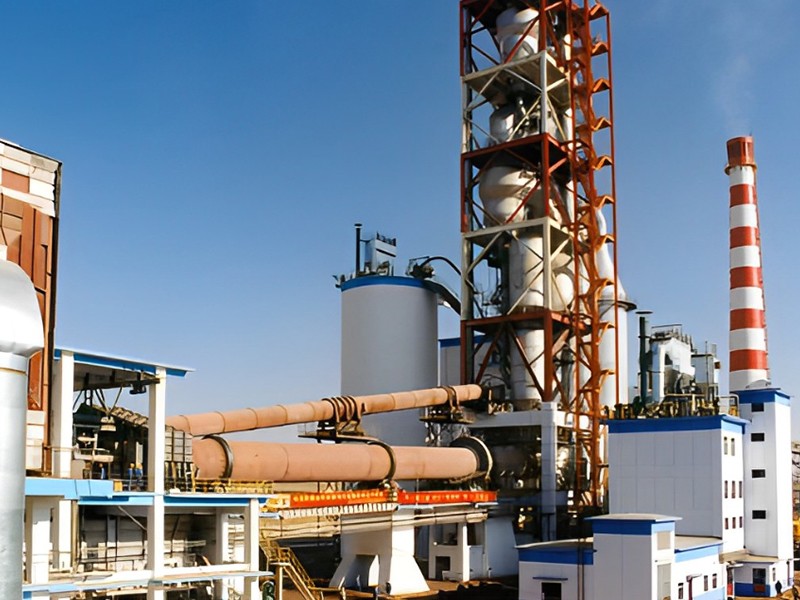
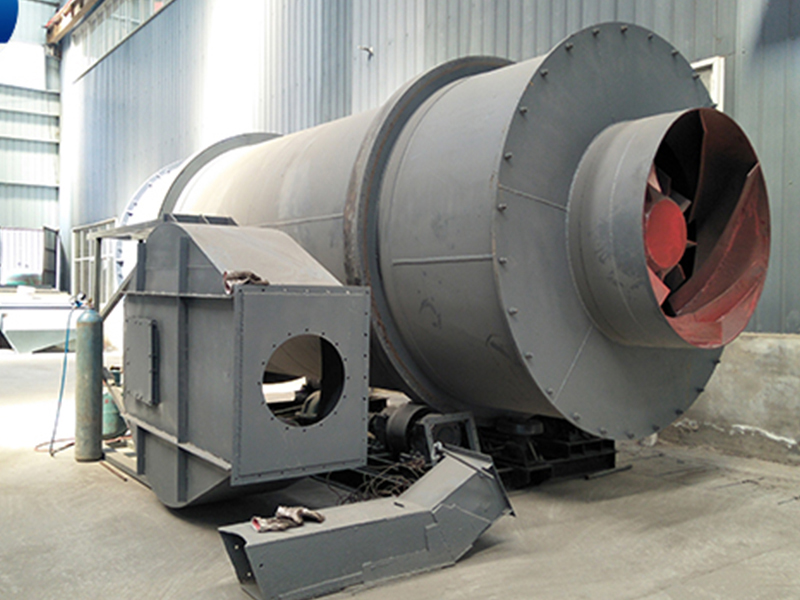
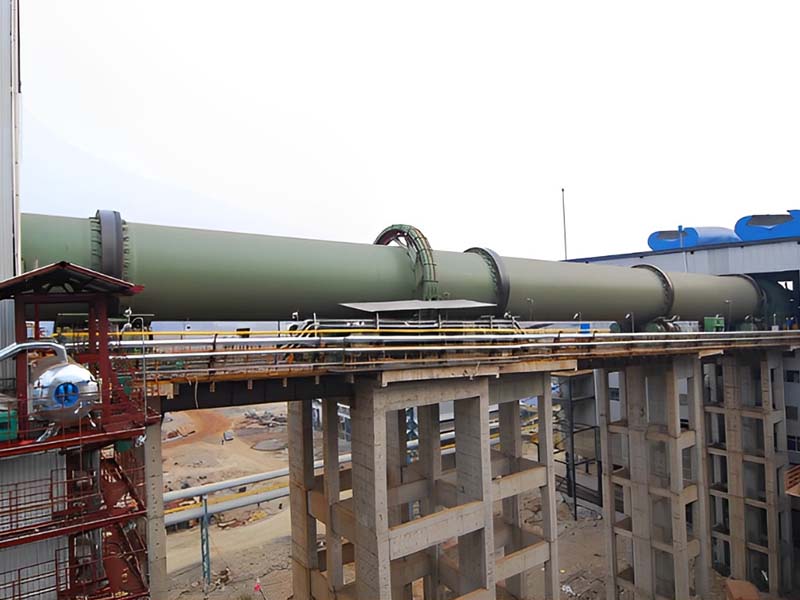
Placer Gold Processing Plant
Henan Hongke Heavy Machinery Co., Ltd. provides customized placer gold processing plant solutions for alluvial, proluvial and coastal gold deposits. The processing system can integrate ore washing, screening, sluice box concentration, jigging and shaking table separation to recover natural gold from sand and gravel.
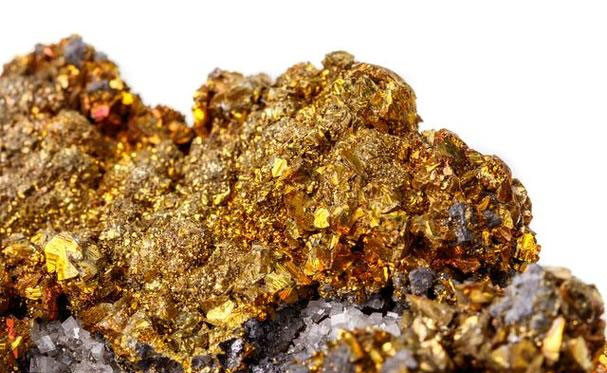
Unlike hard-rock gold ore, placer gold is generally present as naturally liberated particles in unconsolidated sediments. Therefore, a gravity-based processing flowsheet is commonly preferred. The objective is to disintegrate clay-bound materials, remove oversized gravel, and recover gold through successive gravity separation stages.
A typical flowsheet includes washing and screening, primary sluice concentration, jigging for scavenging, and shaking table cleaning. For deposits containing a significant proportion of fine gold, additional equipment such as spiral concentrators or centrifugal concentrators can be considered.
The final equipment configuration depends on gold particle size distribution, clay content, gravel content, feed size, processing capacity, water availability and site conditions.
1. Suitable Placer Gold Deposits
This processing solution is designed for placer deposits in which gold occurs mainly as naturally liberated particles within sand, gravel and sediment. It can be adapted to different deposit types and mining conditions.
Alluvial Gold Deposits
Alluvial gold deposits are formed by river and stream processes. Gold particles are commonly distributed in layers of sand and gravel, together with varying amounts of clay and oversized stones. Washing, screening and gravity separation are commonly used to recover the gold.
Proluvial Gold Deposits
Proluvial deposits, including alluvial-fan deposits, are formed by sediment transported and deposited by flowing water, often near mountain slopes and valley outlets. Their particle sizes and material composition can vary considerably. The washing and screening system should therefore be selected according to the actual gravel size, clay content and feed characteristics.
Coastal and Marine Placer Gold Deposits
Coastal placer deposits are formed by wave and coastal-current processes. Gold particles may be relatively fine, so the recovery of fine gold requires particular attention. For marine or coastal projects, equipment materials and protective measures should also account for salt exposure and corrosion risks.
General Ore Characteristics
- Gold occurs mainly as natural particles in unconsolidated sand and gravel.
- Gold is generally liberated from the surrounding sediment and can be recovered by gravity separation.
- Raw materials may contain clay, sand, gravel, cobbles and other heavy minerals.
- Gold particle size and distribution vary from one deposit to another.
- Washing and screening are important for removing oversized materials and disintegrating clay-bound particles.
For deposits with high clay content or strongly cemented clay lumps, additional scrubbing and classification may be required. Where fine gold represents a significant proportion of the feed, supplementary fine-gold recovery equipment should be evaluated through testing.
2. Placer Gold Processing Flow
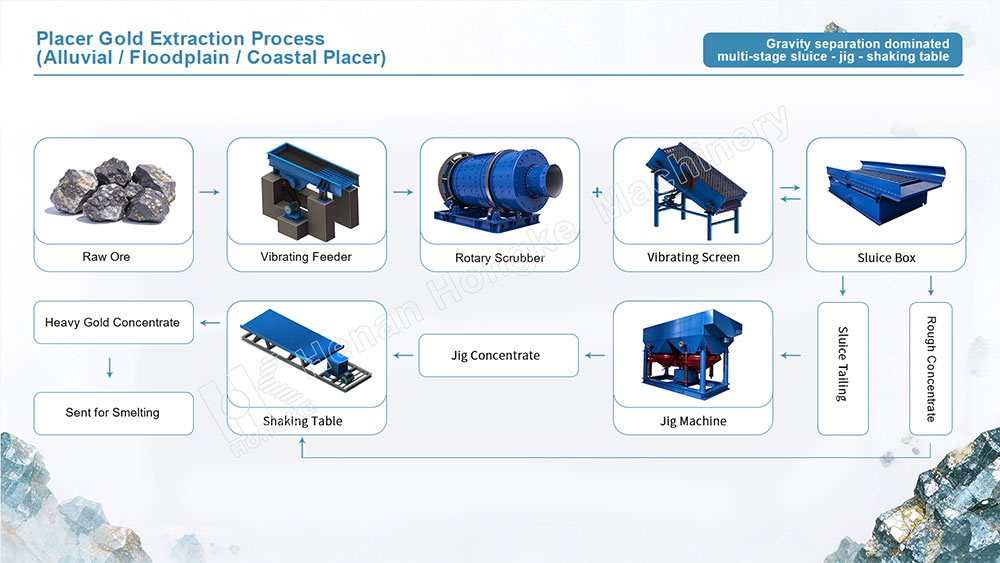
For suitable alluvial, proluvial and coastal placer deposits, Henan Hongke can configure a multi-stage gravity separation system based on the principle of recovering gold through washing, screening and successive concentration stages.
Typical Process Flow:
Raw Material Feeding → Washing and Screening → Sluice Box Primary Concentration → Jigging Scavenging → Shaking Table Cleaning → Gold Concentrate Collection
For deposits with a high proportion of fine gold, a spiral concentrator or centrifugal concentrator can be added to an appropriate process stream according to test results.
2.1 Washing and Screening
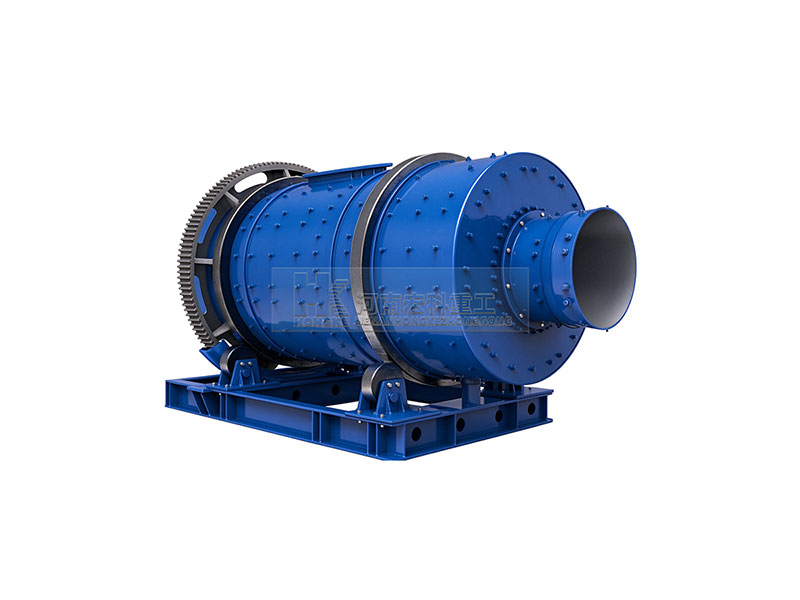
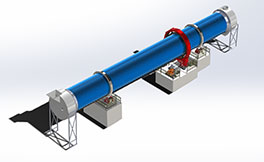
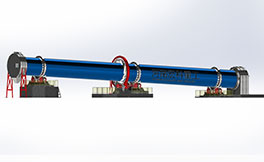
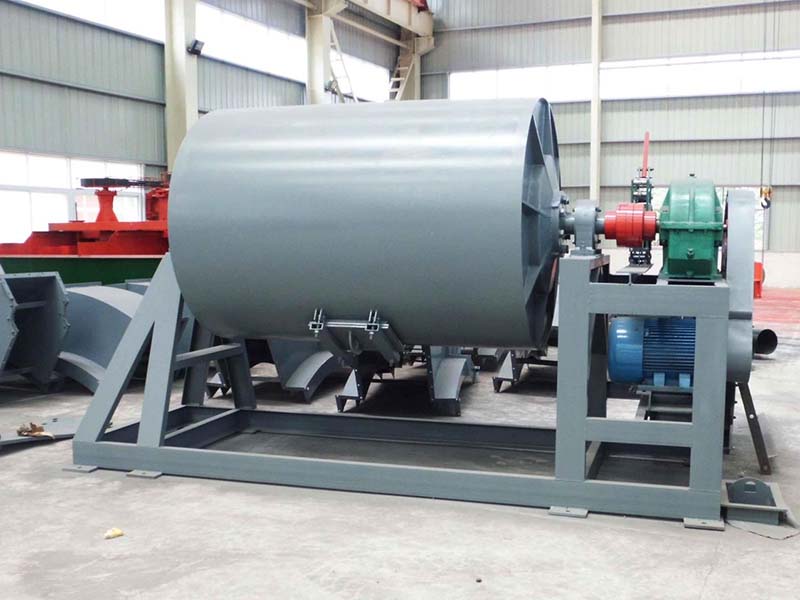
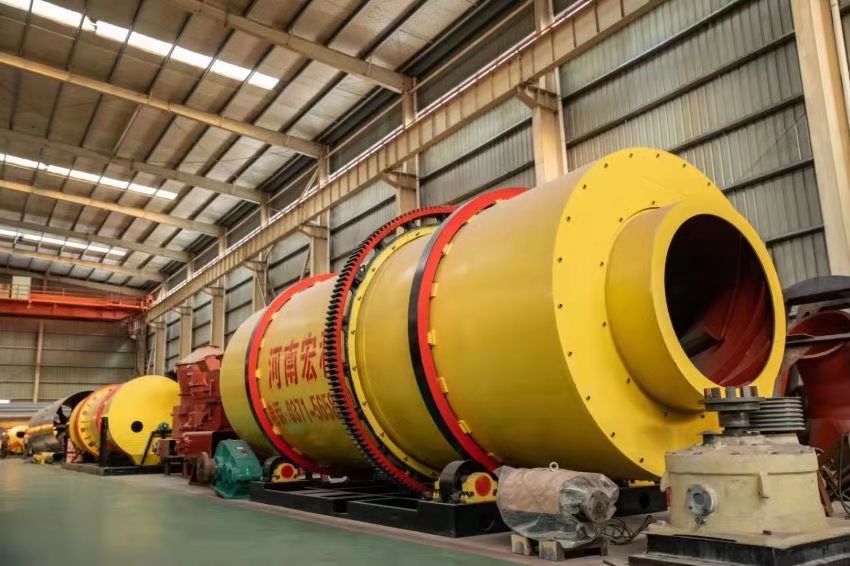
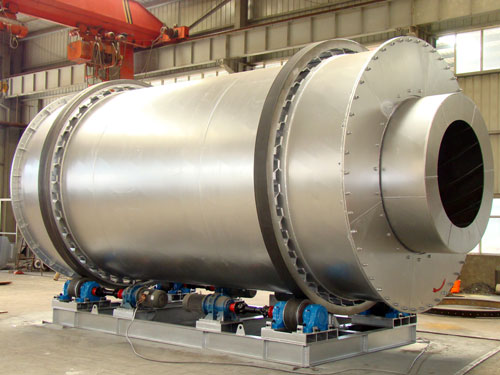
Raw sand and gravel are fed into the washing section by a vibrating feeder. A rotary scrubber or trommel scrubber can be used to wash the material, break down clay lumps and separate oversized gravel from the finer gold-bearing material.
A vibrating screen or trommel screen is used for size separation. Oversized stones that do not require further processing can be discharged, while the undersize slurry or screened material is directed to the gravity concentration section.
For deposits with a high clay content, additional scrubbing, washing and classification stages may be required to release gold particles trapped in clay-bound material. The washing intensity and screening aperture should be selected according to the material characteristics and gold particle size.
Main Equipment:
- Vibrating Feeder
- Rotary Scrubber
- Trommel Screen
- Vibrating Screen
- Water Supply and Slurry Conveying Equipment
2.2 Sluice Box Primary Concentration
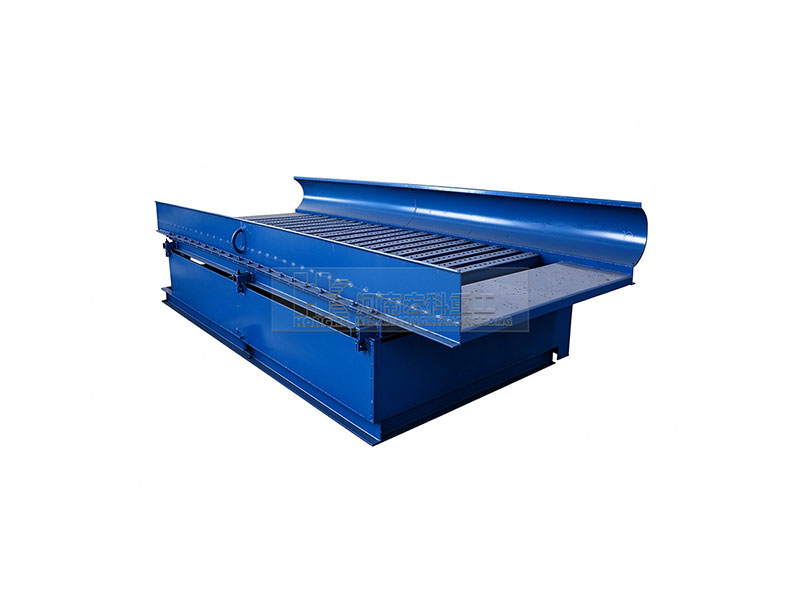
After washing and screening, the appropriately sized gold-bearing material is fed into a sluice box for primary gravity concentration.
The slurry flows along the sluice channel. Riffles, mats or other suitable gold-catching surfaces help retain dense gold particles and heavy minerals while lighter sand and fine gangue are carried downstream with the water flow.
Sluice boxes are suitable for processing relatively large volumes of placer material. Depending on the project, fixed sluice boxes or belt-type sluice systems can be selected. The collected concentrate is periodically removed and sent for further cleaning.
The sluice box design, slope, water flow, feed rate and recovery surface should be matched to the particle size distribution and operating conditions. Stable feeding and appropriate water flow are important for maintaining separation performance.
Main Equipment:
- Fixed Sluice Box
- Belt-Type Sluice Box
- Spiral Sluice (where applicable)
- Slurry Distribution and Water Supply System
2.3 Jigging Scavenging
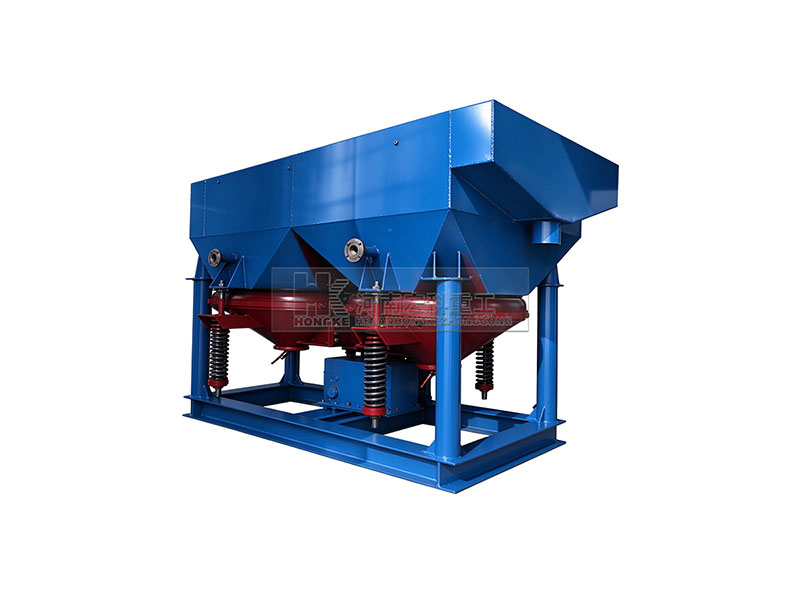
The tailings from the primary sluice concentration stage can be directed to a jig concentrator for further gravity separation. The jig uses a pulsating water flow to separate minerals according to differences in density and settling behavior.
Dense gold particles and other heavy minerals move toward the concentrate collection area, while lighter materials are discharged as tailings. Jigging provides an additional recovery stage for gold particles that are not captured during the initial sluice operation.
Jig concentrators are commonly used for recovering suitable coarse and medium-sized heavy particles. Their suitability and operating parameters should be confirmed according to the gold particle size distribution and feed characteristics.
Main Equipment:
- Jig Concentrator
- Slurry Pump
- Feed Distribution Equipment
- Concentrate and Tailings Discharge System
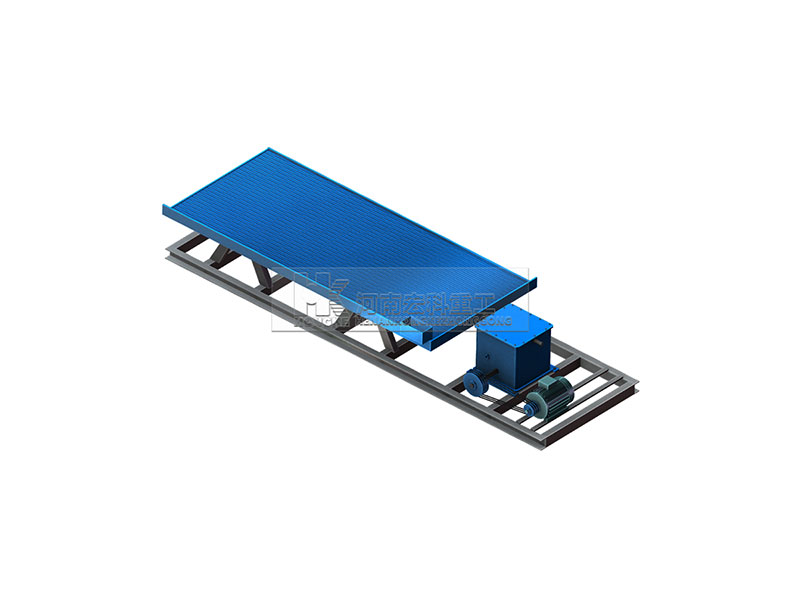
2.4 Shaking Table Cleaning
The concentrate collected from the sluice box and jig concentrator can be combined or treated separately according to its mineral composition and grade. A shaking table is used for further cleaning and separation of the heavy mineral concentrate.
The shaking table uses a reciprocating deck movement, water flow and gravity differences to separate particles. Gold and other dense minerals are concentrated into designated collection zones, while lighter minerals are discharged separately.
The shaking table can produce a cleaner gold-bearing concentrate from the rougher and scavenger concentrates. Intermediate products can be returned for further separation or handled according to their grade and mineral composition.
Main Equipment:
- Gold Shaking Table
- Concentrate Collection System
- Water Supply and Distribution Equipment
2.5 Supplementary Fine Gold Recovery
Some placer deposits, particularly certain coastal and marine deposits, contain a relatively high proportion of fine gold. In these cases, the conventional sluice-jig-table combination may need to be supplemented with additional fine-gold recovery equipment.
A spiral concentrator or centrifugal concentrator can be considered for a suitable stream, such as selected sluice or jig tailings. The equipment selection and feed location should be determined by particle size analysis, gravity separation tests and the overall process design.
The purpose of this additional stage is to improve the recovery of fine gold particles that may not be efficiently captured by the primary gravity separation equipment.
Optional Equipment:
- Spiral Concentrator
- Centrifugal Gold Concentrator
- Additional Classification Equipment, where required
2.6 Tailings Management and Water Recycling
After gravity separation, tailings are discharged to a suitable settling, thickening or tailings management system. Depending on the project scale and site conditions, settling ponds, thickeners and water return systems can be configured to support process water recycling.
Recycling process water can reduce fresh water demand and improve water management at the processing site. Tailings discharge and water treatment must comply with applicable environmental requirements.
For coastal and marine placer projects, particular attention should be paid to saline wastewater management, corrosion protection and the selection of suitable equipment materials.
Main Equipment:
- Settling Ponds
- Thickeners, where required
- Tailings Discharge System
- Water Return Pumps and Pipelines
3. Main Equipment Configuration
The equipment configuration of a placer gold processing plant depends on the deposit type, feed size, clay content, gravel content, gold particle size distribution, required capacity and mining method.
| Processing Stage | Main Equipment | Function |
|---|
| Feeding and Washing | Vibrating Feeder, Rotary Scrubber | Feed the raw material and disintegrate clay-bound gravel |
| Screening | Trommel Screen, Vibrating Screen | Remove oversized stones and separate material by size |
| Primary Concentration | Fixed Sluice Box, Belt-Type Sluice Box | Recover coarse gold and heavy minerals from a large volume of material |
| Scavenging | Jig Concentrator | Recover additional suitable gold particles from sluice tailings |
| Cleaning | Gold Shaking Table | Upgrade gravity concentrates and separate heavy minerals |
| Fine Gold Recovery | Spiral Concentrator, Centrifugal Concentrator | Supplementary recovery of fine gold where required |
| Conveying and Slurry Transfer | Belt Conveyor, Sand Pump, Slurry Pump, Pipelines | Connect processing stages and maintain stable material transfer |
| Tailings and Water Management | Settling Pond, Thickener, Water Return System | Manage tailings and support process water recycling |
| Mobile or Floating Plant | Skid-Mounted Processing Unit, Onboard Processing System | Support mobile mining operations or suitable river and coastal projects |
Not every project requires all the equipment listed above. Optional equipment is selected according to test results, site conditions and the required recovery process.
4. Advantages of the Placer Gold Gravity Processing Solution
Gravity-Based Processing for Naturally Liberated Gold
Placer gold is commonly present as naturally liberated particles in unconsolidated sediments. A washing and gravity separation process can therefore be used without automatically introducing the grinding and flotation stages commonly found in hard-rock gold processing.
Multi-Stage Recovery for Different Gold Particle Sizes
The combination of sluice box concentration, jigging and shaking table cleaning provides multiple separation stages. Additional spiral or centrifugal concentration equipment can be considered when fine gold recovery requires further improvement.
Adaptable to Different Placer Deposit Conditions
The processing system can be configured for alluvial, proluvial and coastal placer deposits. Washing intensity, screen size, gravity equipment and corrosion protection can be adjusted according to clay content, gravel size, gold particle distribution and site conditions.
Fixed, Mobile and Floating Plant Options
Depending on the mining method and site layout, the processing equipment can be arranged as a fixed plant, a skid-mounted mobile unit or an onboard processing system for suitable dredging operations.
Water Management and Tailings Handling
Settling, thickening and water return systems can be incorporated into the plant design to support process water recycling and responsible tailings management.
Integrated Equipment Supply
Henan Hongke Heavy Machinery Co., Ltd. can provide equipment packages covering feeding, washing, screening, sluice concentration, jigging, shaking table separation, conveying and tailings water management, according to project requirements.
5. Key Factors Before Selecting a Placer Gold Processing Plant
A suitable processing plant should be designed according to the actual characteristics of the placer deposit rather than relying on a standard equipment combination. The following information should be evaluated before equipment selection:
Gold Particle Size Distribution
Screening and gravity separation tests help determine the proportions of coarse, medium and fine gold. This information is important when deciding whether additional fine-gold recovery equipment is necessary.
Clay Content and Material Characteristics
High clay content and strongly cemented lumps may require stronger scrubbing, washing and classification. Inadequate disintegration can leave gold particles trapped in clay-bound material.
Gravel Content and Maximum Feed Size
The quantity and size of oversized gravel affect the selection of the washing and screening equipment, as well as the feed capacity of the gravity separation system.
Processing Capacity and Mining Method
The plant layout and equipment arrangement differ between fixed processing plants, mobile units and onboard systems. The required throughput and material handling method should be confirmed in advance.
Water Supply and Tailings Management
Water availability, process water recycling, tailings discharge and environmental requirements must be considered during plant design. Coastal projects should also evaluate saline water exposure and corrosion protection.
Stable Feeding
Placer gold grades can vary considerably across different sections of a deposit. A suitable feeding and distribution system helps maintain a more stable feed rate and supports consistent gravity separation.
6. Technical Parameters
The following parameters are determined according to the raw material and project requirements. Final equipment models and specifications should be confirmed after evaluating representative samples and site conditions.
| Parameter | Configuration |
|---|
| Applicable Material | Alluvial, proluvial and coastal placer gold deposits |
| Gold Occurrence | Mainly naturally liberated gold particles |
| Processing Method | Washing, screening and gravity separation |
| Primary Concentration | Sluice Box |
| Scavenging Equipment | Jig Concentrator |
| Cleaning Equipment | Shaking Table |
| Optional Fine Gold Recovery | Spiral Concentrator or Centrifugal Concentrator |
| Plant Capacity | Customized according to project requirements |
| Plant Arrangement | Fixed, mobile or suitable onboard processing system |
| Water Management | Settling, thickening and water recycling as required |
Gold recovery, concentrate grade, water consumption and equipment capacity cannot be specified accurately without representative ore testing and process design. These values should be confirmed for each project.
7. Why Choose Henan Hongke Heavy Machinery Co., Ltd.?
Henan Hongke Heavy Machinery Co., Ltd. provides equipment and integrated solutions for mining and mineral processing applications. For placer gold projects, equipment selection focuses on the characteristics of the raw material, the required processing capacity and the conditions of the mining site.
Our equipment supply and project support can cover:
- Washing and screening equipment selection.
- Sluice box, jig concentrator and shaking table configuration.
- Optional fine-gold recovery equipment selection.
- Fixed, mobile and suitable onboard plant arrangements.
- Conveying, slurry transfer and water management equipment.
- Process layout and equipment coordination according to project requirements.
- Installation, commissioning and operator training according to the agreed project scope.
Customers can provide placer material samples, screening analysis, estimated processing capacity and site information for equipment evaluation and preliminary process configuration.
8. Frequently Asked Questions
1. What is the typical process for a placer gold processing plant?
A typical process for suitable placer deposits includes washing and screening, sluice box primary concentration, jigging scavenging and shaking table cleaning. Additional fine-gold recovery equipment can be added when required by the gold particle size distribution.
2. Does placer gold processing require a ball mill?
Most placer gold deposits contain naturally liberated gold particles in unconsolidated sand and gravel, so grinding is generally unnecessary. However, the actual material characteristics should be checked before confirming the process.
3. What is the function of a sluice box?
A sluice box is commonly used for primary concentration of placer gold. It processes a relatively large volume of gold-bearing slurry and retains suitable dense particles through riffles, mats or other gold-catching surfaces.
4. Why is a jig concentrator used after a sluice box?
A jig concentrator can treat suitable sluice tailings and recover additional gold particles according to differences in density and settling behavior. It serves as a scavenging stage in the gravity separation circuit.
5. What is the function of a shaking table?
A shaking table is used to clean gravity concentrates and separate gold-bearing heavy minerals from lighter materials. It helps produce a more concentrated heavy-mineral product.
6. How can fine gold recovery be improved?
For deposits with a significant proportion of fine gold, a spiral concentrator or centrifugal concentrator may be added to a suitable process stream. The selection should be based on particle size analysis and gravity separation tests.
7. Can the plant be installed on a mining vessel?
For suitable river or coastal mining projects, an onboard processing system can be considered. The equipment layout should be designed according to vessel dimensions, feed capacity, water conditions, material handling and tailings discharge requirements.
8. What information is needed for equipment selection?
Important information includes gold particle size distribution, clay content, gravel content, maximum feed size, required processing capacity, mining method, water availability and site conditions. Representative samples and screening or gravity separation test results are especially useful.
9. Request a Placer Gold Processing Solution
Planning to develop an alluvial, proluvial or coastal placer gold project? Contact Henan Hongke Heavy Machinery Co., Ltd. to discuss your raw material characteristics, required processing capacity and site conditions.
Share your placer material information, gold particle size distribution and estimated throughput. Our team can evaluate the equipment requirements and prepare a suitable washing and gravity separation configuration for your project.
Henan Hongke Heavy Machinery Co., Ltd. — One-Stop Solutions for Mining Machinery.